Xiaomi 17 Pro Max vs OnePlus 14 Pro: flagship face-off for steady buyers
Flagship Comparison: Which One Lasts Longer and Works Better for Everyday Users
The Xiaomi 17 Pro Max and the (anticipated) OnePlus 14 Pro represent two high-end smartphones aimed at users who want “buy once, hold for years” reliability rather than chasing gimmicks. For a steady buyer—someone who uses a phone extensively for 2-3 years or more—the decision comes down to hardware longevity, software support, battery & charging, camera versatility and value for money. Each device brings strengths and trade-offs in those areas.
On the performance front, the Xiaomi 17 Pro Max carries the latest Snapdragon 8 Elite Gen 5 chipset, promising top-tier processing and future-proofing in apps, multitasking and games. Comparatively, while the OnePlus 14 Pro’s full specs may not yet be fully confirmed, OnePlus has typically delivered strong flagship hardware in that segment—so you’d expect it to be very capable as well. That gives Xiaomi a slight edge in raw hardware head-room for long-term use.
In battery and charging, Xiaomi again stands out: the 17 Pro Max features a very large battery (7,500 mAh in China spec) along with 100 W wired and 50 W wireless charging per current reports. For a user who streams, games, records video and uses the phone heavily, this translates into less worry about running out of juice or needing a replacement early. OnePlus will likely offer strong battery performance but may not match that sheer capacity or charging speed headline.

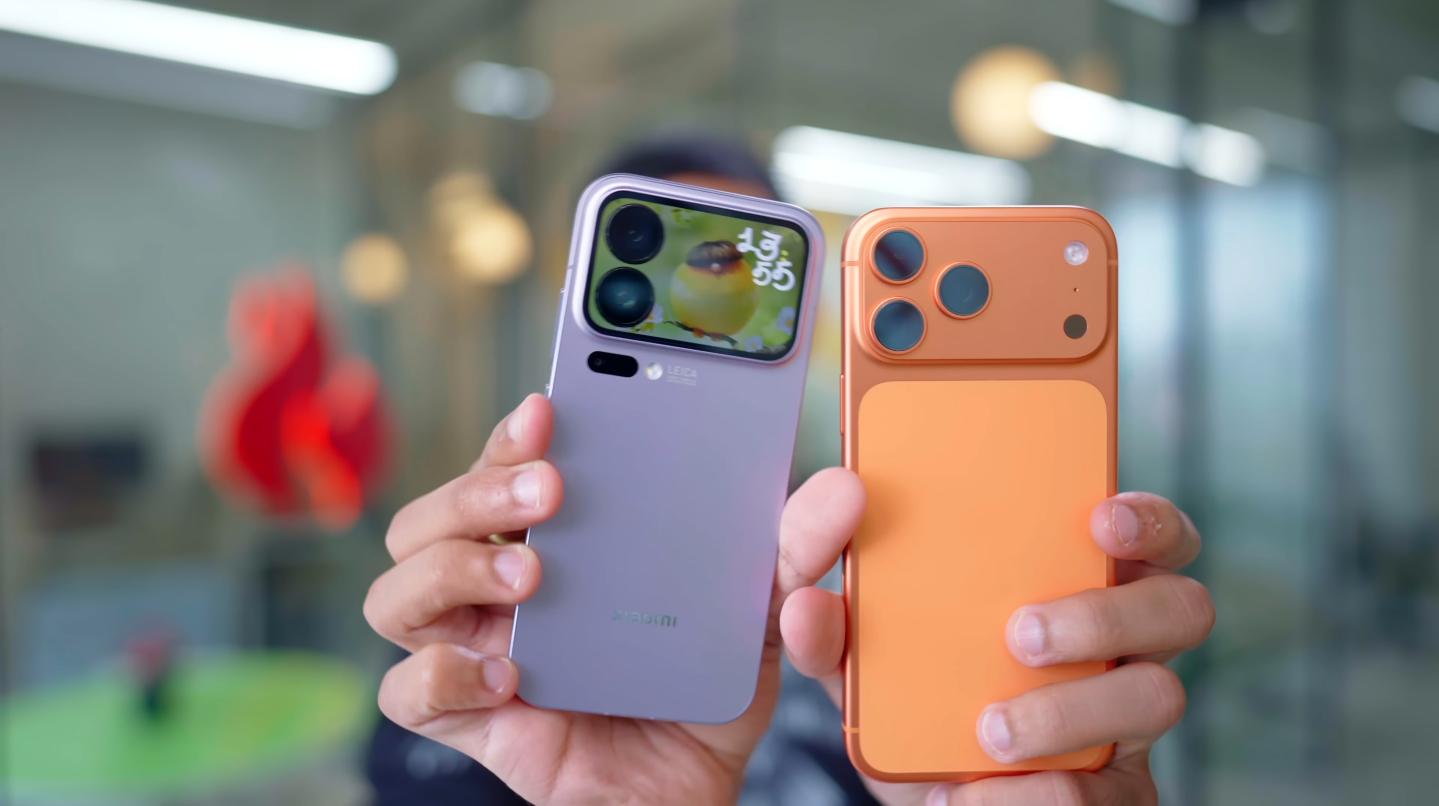
Camera capabilities and versatility matter greatly for steady users. Xiaomi offers a high-end triple 50 MP camera system with periscope zoom, broad scenarios of shooting, while OnePlus historically delivers excellent camera quality too. However, Xiaomi’s hardware advantage gives it versatility if you shoot wide, ultra-wide, telephoto and make more varied uses of the camera. If your use is more mainstream (snap, social, video) then OnePlus might suffice.
Display, build quality and daily ergonomics also factor. The Xiaomi features a 6.9″ LTPO panel (120Hz) and premium materials, giving a very immersive experience. OnePlus is expected to be similar or slightly smaller, easier to handle for some users. Here you might prefer OnePlus if you want a slightly more manageable form factor. But if size isn’t an issue, the larger display gives Xiaomi more “immersive” mileage.
Software-updates & ecosystem support are key for longevity. OnePlus has built a good reputation for faster updates, clean UI (OxygenOS) and consistent support in India. Xiaomi’s HyperOS (used on the 17 series) is improving and well-refined, but regional support, warranty and update policy should be checked carefully. If you value local service, better update policy and resale value, OnePlus might have an edge here.
From a value perspective, if Xiaomi offers significantly more hardware/features for a similar or lower price, that becomes a compelling choice. But availability, warranty and service in India matter a lot. OnePlus may cost a bit more (depending on local pricing), but may deliver smoother experience with fewer caveats. For steady buyers who want minimal fuss, OnePlus may be “safer”. For those who want as much hardware as possible and are comfortable checking service aspects, Xiaomi may be “better value”.
Bottom line: If you want a flagship phone today that you plan to keep for years and want maximum hardware, battery, versatility and can handle service/availability nuances, the Xiaomi 17 Pro Max is a strong pick. If you prefer proven software support, easy service, reliable update path and maybe a slightly easier handling device, the OnePlus 14 Pro is the more conservative choice for a steady buyer.