Xiaomi 17 Pro Max software bloat-ware check: clean experience or cluttered?

Is the Xiaomi 17 Pro Max’s software experience smooth or filled with extras?
For many UK buyers, software experience is just as important as hardware performance. The Xiaomi 17 Pro Max has arrived with Xiaomi’s latest HyperOS system, and early reviews show that the company has made real progress in reducing clutter. Still, depending on where the phone is purchased, users may face a different balance between a clean interface and the presence of extra apps or ads.
The global version of the Xiaomi 17 Pro Max runs on HyperOS 3, which is built on Android 16. Reviewers describe this as the smoothest and most refined version of Xiaomi’s software so far. Animations are quicker, menus feel lighter, and the general look is cleaner than MIUI ever was. The new control center and notification layout follow a minimal design, and most users note that day-to-day performance feels snappier and more responsive than previous Xiaomi flagships.
In terms of bloat-ware, the global version is relatively restrained. You’ll find a few Xiaomi-branded apps pre-installed, like Mi Video, Mi Remote, and File Manager, but most of them can now be uninstalled or hidden. Core Google apps are integrated seamlessly, which makes the experience much more polished for UK users compared to the Chinese version. Ads that once appeared in Xiaomi’s system apps have also been reduced significantly, though not entirely removed.
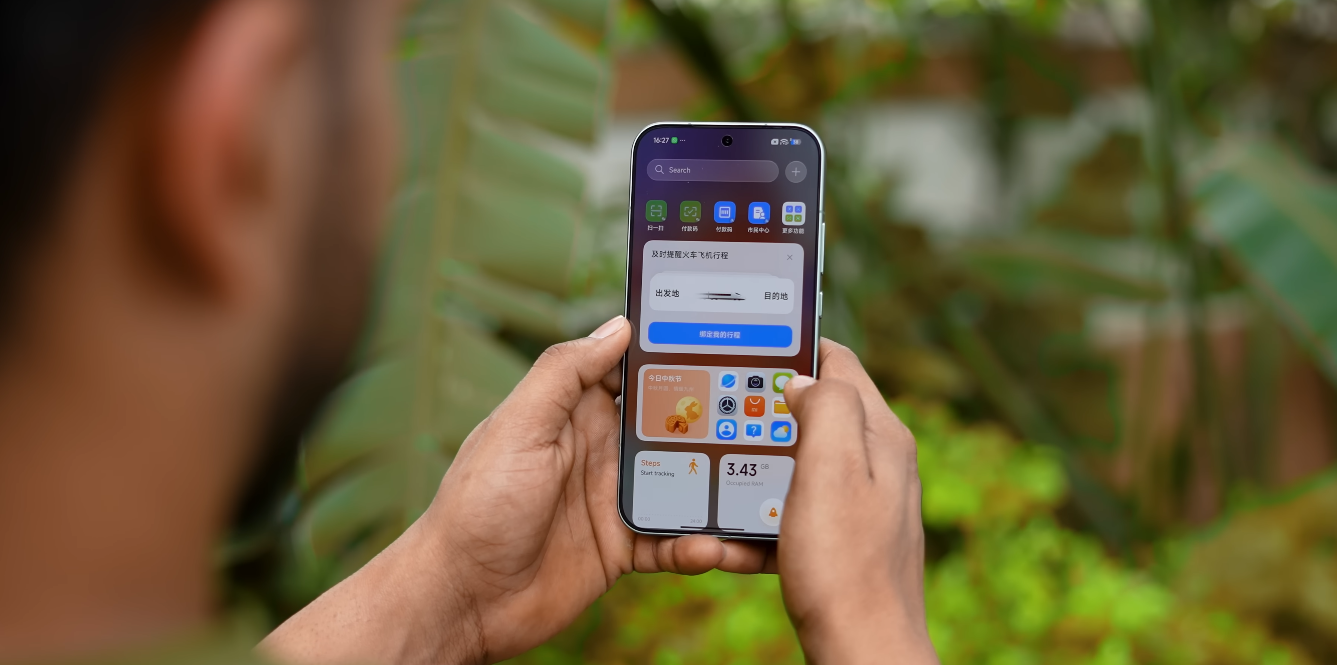
However, things look different for the imported Chinese variant, which many early adopters have purchased before the global release. That version includes several pre-installed Chinese apps that cannot easily be removed, as well as region-specific services that clutter the settings and home screens. Some users have reported a mix of English and Chinese menus and push notifications, and while it’s possible to sideload the Google Play Store, it doesn’t match the clean integration of the UK build.
Some reviewers have also pointed out that Xiaomi’s default apps occasionally include suggestions or promotional notifications, which can feel intrusive. While these can usually be disabled in the settings, it’s still a reminder that Xiaomi’s software isn’t as completely ad-free as competitors like Google or OnePlus. That said, users praise HyperOS for offering an impressive amount of customisation—everything from lock-screen layouts to the secondary display features can be tailored easily.
Performance-wise, the system has earned positive feedback. The HyperOS interface is fast, multitasking is fluid, and background management has improved to prevent unnecessary app closures. For users who value optimisation and battery efficiency, Xiaomi’s current build performs well. There are no widespread complaints about lag or instability, which is a notable improvement over some previous Xiaomi flagships.
One area that still divides opinion is the number of Xiaomi utilities and ecosystem apps. Some users appreciate them, especially if they own other Xiaomi devices like wearables or smart home gear. Others consider them redundant and prefer to rely on Google’s ecosystem instead. The good news is that Xiaomi now allows nearly all of these to be disabled, giving users more control over their setup.
For UK buyers planning to wait for the official release, the upcoming global model should offer a cleaner, more polished software experience than early imports. You’ll get full Google integration, fewer regional apps, and less bloat-ware out of the box. The overall interface now feels closer to what you’d expect from a modern premium phone rather than a device weighed down by extras.
In summary, the Xiaomi 17 Pro Max delivers a mostly clean software experience under HyperOS 3, particularly in its global or UK version. It’s not completely free of manufacturer extras, but the clutter is manageable and far less intrusive than before. For UK users, the verdict is clear — expect a refined interface with minimal bloat, provided you choose the official global model over an import version.