Xiaomi 17 Pro Max launches with mega 7,500 mAh battery and dual-screen rear display
Xiaomi’s 17 Pro Max redefines flagship innovation
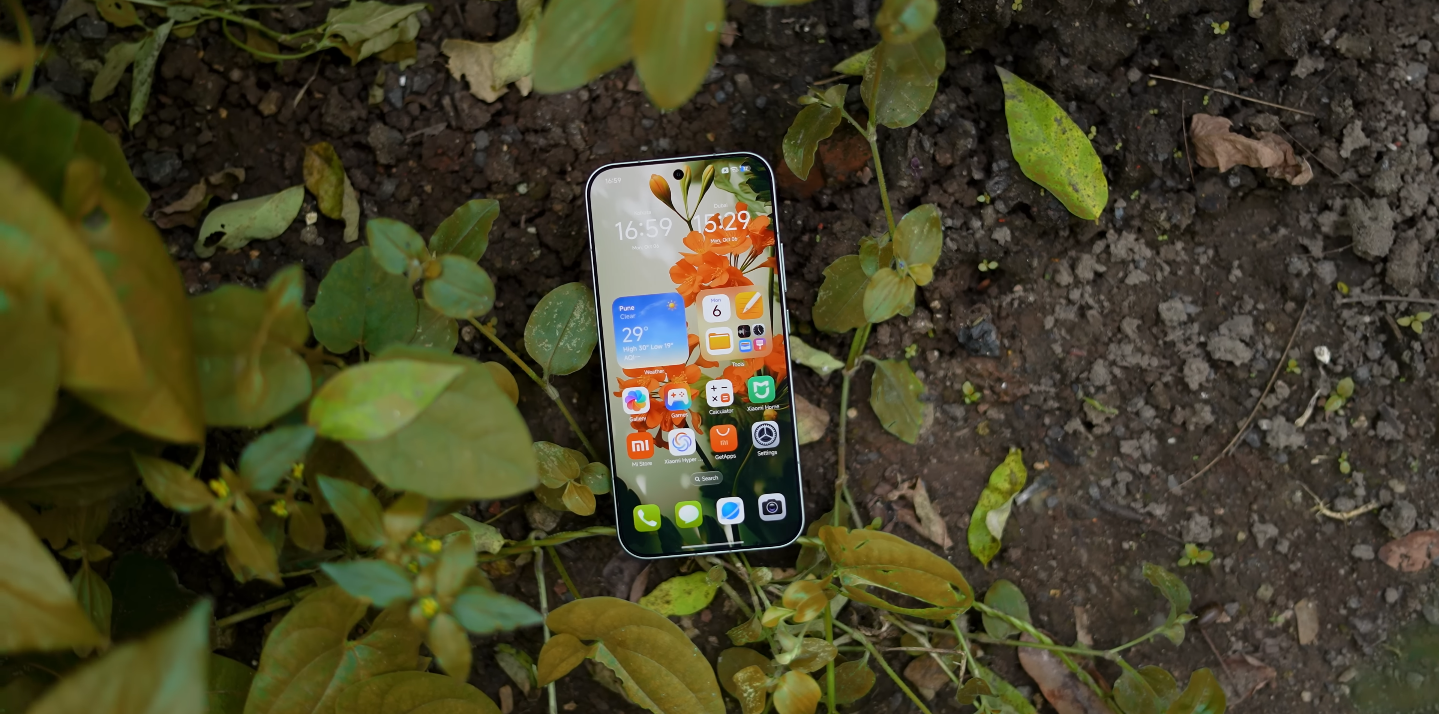
Xiaomi has officially launched the 17 Pro Max, introducing one of the most ambitious smartphones of 2025. The device arrives with a colossal 7,500 mAh battery and a distinctive dual-screen setup, setting new standards for endurance and design in the flagship segment. The model first debuted in China and is expected to reach global markets soon.
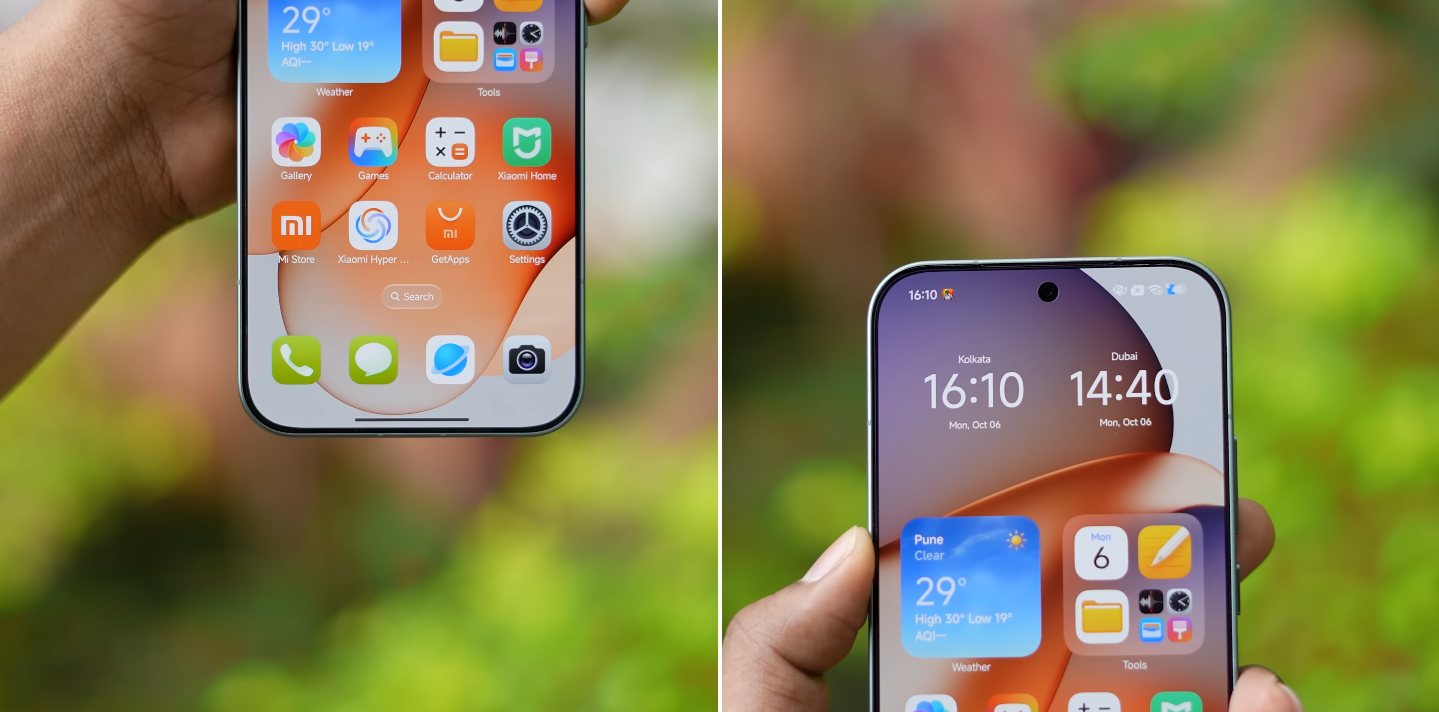
The front of the Xiaomi 17 Pro Max features a 6.9-inch LTPO AMOLED display with a smooth 120 Hz refresh rate and peak brightness of up to 3,500 nits. This display, enhanced with Dolby Vision and HDR10+, is designed for those who prioritize color accuracy and immersive visuals. Xiaomi’s focus on brightness and smoothness makes it one of the most vibrant displays in its class.
Under the hood, the phone is powered by Qualcomm’s Snapdragon 8 Elite Gen 5 processor built on a 3 nm architecture. It comes with up to 16 GB of LPDDR5X RAM and as much as 1 TB of UFS 4.0 storage. This combination ensures effortless multitasking, gaming, and content creation, while maintaining superior efficiency and thermal control.
The biggest talking point of the 17 Pro Max is its dual-screen design. A 2.9-inch secondary AMOLED display sits on the rear panel, running at 120 Hz. It supports quick access to widgets, notifications, time display, and serves as a viewfinder for selfies using the rear cameras. This feature blends style with function, giving the device a futuristic identity.
Photography is another highlight, with a triple 50-megapixel camera system. It includes a wide, ultra-wide, and a periscope telephoto sensor offering up to 5× optical zoom. Xiaomi’s AI imaging engine improves color accuracy and detail, while the secondary screen helps capture selfies with the main cameras — eliminating the need for the front lens in many scenarios.
Battery capacity has taken center stage with the 7,500 mAh cell — the largest ever in a Xiaomi flagship. It supports 100 W wired charging and 50 W wireless charging, allowing a full charge in under 30 minutes. Xiaomi claims the new cell uses advanced graphene layering for better longevity and lower heat output during high-speed charging.
Design-wise, the 17 Pro Max combines premium build quality with practicality. The device measures 162.9 × 77.6 × 8 mm and weighs around 219 g, featuring a reinforced glass back and aluminum frame. It holds an IP69 certification, offering high resistance to water and dust — a notable improvement over typical flagship protection ratings.
On the software side, the phone runs on Xiaomi’s HyperOS 3, built over Android 16. The updated interface brings smoother animations, refined app management, and new AI-driven personalization tools. HyperOS integrates tightly with Xiaomi’s ecosystem, providing seamless connectivity across smartwatches, tablets, and electric vehicles.
In performance tests, the Snapdragon 8 Elite Gen 5 chipset reportedly delivers over 1.5 million points on AnTuTu, placing it among the most powerful smartphones of 2025. Coupled with advanced vapor cooling, the device maintains consistent performance even during extended gaming or 4K video recording.
Xiaomi launched the 17 Pro Max in China on 25 September 2025, with prices starting around ¥8,499 (CNY), roughly ₹1,16,999 in India. Global release details remain pending, but the company is expected to announce broader availability before 2026. The model will come in colors such as Obsidian Black, Glacier Silver, and Aurora Blue.
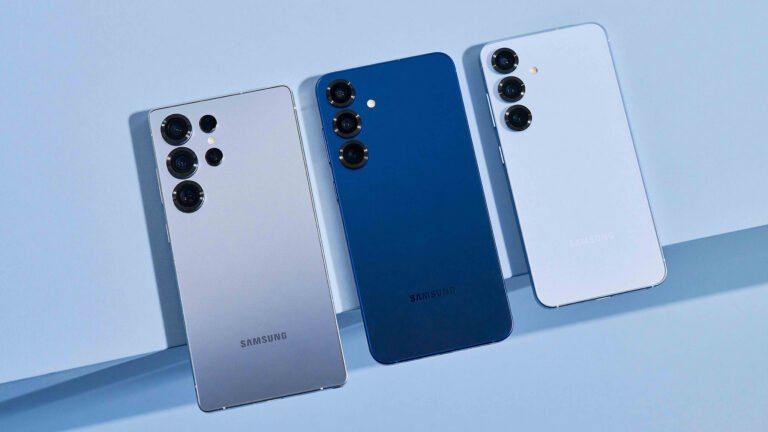
Overall, the Xiaomi 17 Pro Max signals the brand’s intent to dominate the premium smartphone category. With its record-breaking battery, innovative rear display, and flagship-level performance, it positions itself as one of the most forward-thinking devices of the year — a true competitor to Samsung’s and Apple’s latest flagships.