Xiaomi 17 Pro Max camera low-light zoom: periscope tested
How the Periscope Lens Performs When the Lights Go Down
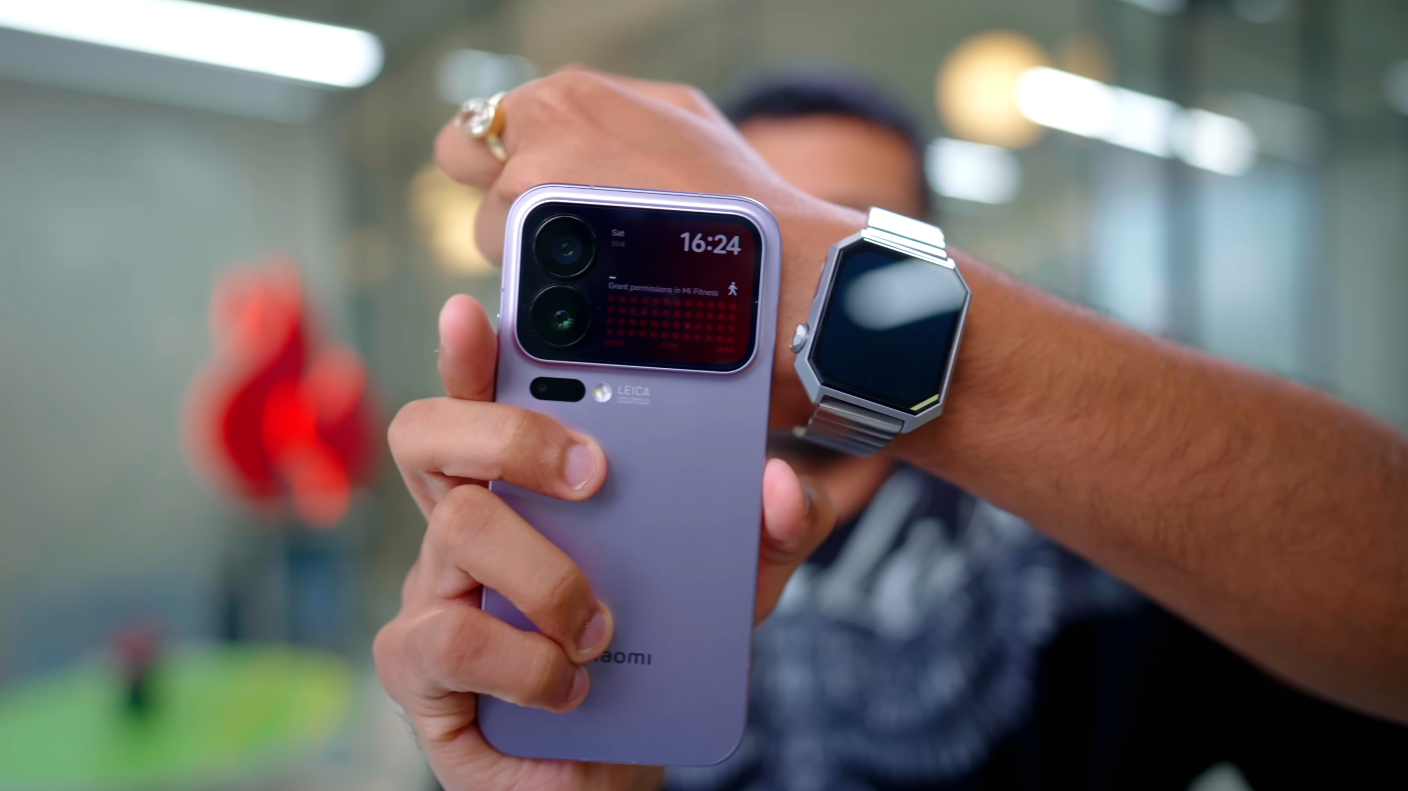
The Xiaomi 17 Pro Max brings a powerful 5× periscope telephoto lens designed to deliver clearer zoomed images than standard cameras, even when lighting conditions are far from ideal. Low-light zoom is one of the toughest challenges for smartphones, but this flagship aims to solve it using a wider aperture, advanced processing and optical stabilisation. Testing the periscope lens in dim environments shows how well the device handles detail, colour and clarity at higher zoom levels.
At 5× optical zoom, the periscope lens holds strong even as light becomes scarce. The wider aperture allows more light to enter the sensor, helping maintain brightness and reducing noise. In practical tests, subjects such as distant signs, buildings or objects remain recognisable and reasonably sharp. This performance gives the Xiaomi 17 Pro Max an edge over phones relying only on digital zoom, which usually softens quickly in darker surroundings.
Pushing beyond 5× and into hybrid zoom, the camera still performs impressively for a smartphone. Up to around 10×, the combination of optical data and software processing retains useful levels of detail. Edges remain well-defined, and colours stay balanced without drifting too warm or too cool. Although some grain appears, it’s controlled enough to keep images usable for social media or quick sharing.

At higher zoom levels in low light, the limitations start to show. Digital magnification introduces more noise, especially in shadowed areas. Fine details soften, and stabilisation becomes more critical as small hand movements create noticeable blur. Even so, the Xiaomi 17 Pro Max performs better than many competitors thanks to its periscope structure and image-processing algorithms that attempt to recover clarity and contrast.
Holding the phone steady greatly affects results. The periscope lens works best when the device is stabilised—using both hands, leaning against a surface or keeping elbows braced helps capture sharper frames. Small improvements in stability lead to noticeably cleaner images, especially when zooming in beyond the optical range. Night mode also helps brighten and align multiple frames to enhance quality.
Colours remain surprisingly accurate during low-light zoom tests. Streetlights, neon signs and dim building lights maintain natural tones without heavy oversaturation. The camera preserves contrast well enough to separate subjects from the background. Dynamic range handling is decent, allowing bright lights and darker regions to coexist without overwhelming each other.
Autofocus at night is generally reliable, though slower when zoomed in deeply. The periscope module needs a bit more time to lock onto distant elements in low light. Tapping the screen to set focus and adjust exposure helps achieve cleaner results. This simple step often produces better clarity and more controlled brightness in challenging scenes.
The Xiaomi 17 Pro Max’s telephoto sensor also benefits from its optical stabilisation, which reduces shake and helps the camera maintain sharpness for slightly longer exposure times. This becomes especially useful during handheld night shots in urban areas where lights produce strong contrast. The stabilisation ensures the frame stays sufficiently steady during capture.
In real-world situations—like capturing faraway buildings at night, zooming into signs from a distance, or shooting concerts from the back rows—the periscope lens delivers strong results compared to conventional smartphone cameras. Even with some expected softness at higher zoom levels, the overall output remains impressive for a mobile device.
When used thoughtfully, the low-light zoom performance is one of the standout strengths of the Xiaomi 17 Pro Max. Its periscope design, wider aperture and enhanced processing combine to deliver images that are clearer, brighter and more detailed than many zoom systems in similar lighting. For users who value long-range photography at night, this device proves itself a capable companion.