US Tech Policy Shift: Has Huawei’s Ascend 910C Impacted Nvidia H200 Export Restrictions?
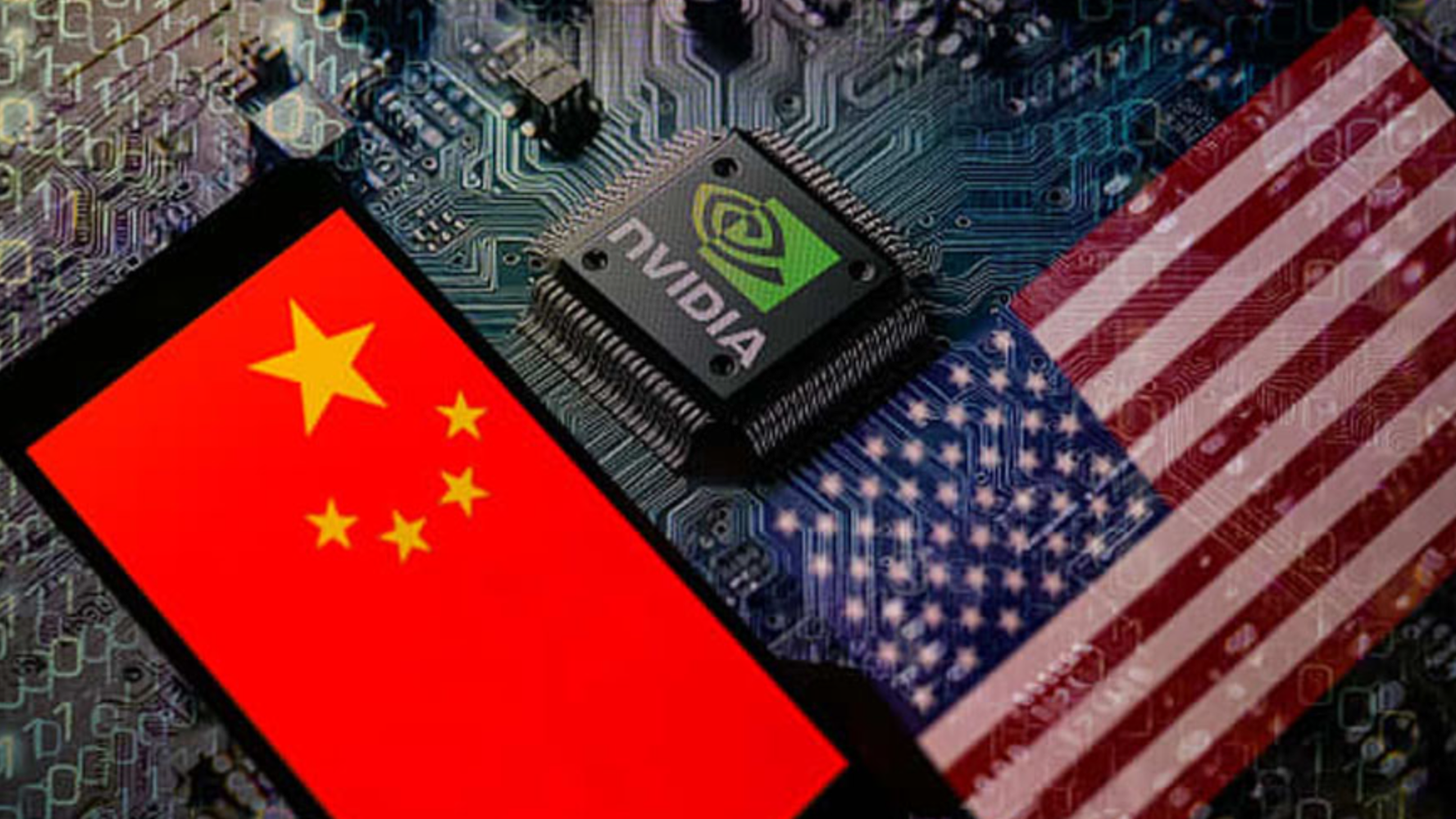
The Shifting Sands of AI Chip Diplomacy: Huawei’s Rise and Nvidia’s Exports
The intricate dance between geopolitical strategy and technological advancement has seen a fascinating recent development. Reports indicate a significant shift in US policy regarding the export of advanced AI chips to China, specifically permitting Nvidia’s powerful H200 accelerator. This surprising reversal comes against a backdrop of escalating tech rivalry and robust innovation from Chinese manufacturers.
For some time, the United States has employed stringent export controls, aiming to curb China’s progress in critical AI and semiconductor sectors. These measures were primarily designed to prevent the use of cutting-edge technology for military applications, or to maintain a substantial technological lead, thus creating a complex web of restrictions that impacted global supply chains and market dynamics.
Nvidia, a titan in the graphics processing unit (GPU) market, found its state-of-the-art AI accelerators caught in the crosshairs of these regulations. Its H200 GPU, heralded for its formidable performance in artificial intelligence training and inference, was initially subject to a ban, preventing its sale to Chinese entities. This move was intended to slow down China’s burgeoning AI capabilities.
However, recent intelligence and market analyses suggest a compelling reason behind Washington’s unexpected change of heart. Huawei, a Chinese technology giant long under intense scrutiny and sanctions, has reportedly made remarkable strides in its domestic AI chip development. Its Ascend 910C accelerator is demonstrating highly competitive AI compute performance.
The emergence of Huawei’s Ascend 910C as a viable alternative has seemingly compelled US policymakers to reconsider the effectiveness of an outright ban. If Chinese companies can source powerful, domestically produced AI chips, then restricting access to American equivalents might inadvertently accelerate China’s self-sufficiency rather than hinder it, creating a new strategic dilemma for the US.
The Ascend 910C is not merely a stop-gap solution; its performance metrics suggest it is a genuine contender in the high-performance AI compute arena. This capability allows Chinese tech firms to continue developing sophisticated AI models and applications, potentially at a pace not significantly slowed by the previous export restrictions on foreign hardware.
From a strategic perspective, allowing the export of Nvidia H200 chips might now serve a different purpose. It could introduce a degree of market competition within China, potentially slowing the complete dominance of indigenous solutions like Huawei’s. This approach could also ensure US tech companies retain a foothold in a crucial and lucrative market, mitigating significant revenue losses.
Furthermore, an unmitigated ban could have inadvertently pushed Chinese companies to innovate even faster, reducing their reliance on foreign technology entirely. By permitting controlled exports, the US might be attempting to manage the pace of China’s technological independence, rather than attempting to halt it outright, which appears increasingly difficult.
The decision also reflects a broader understanding that the global technology landscape is incredibly interconnected and dynamic. Unilateral restrictions, while powerful, can sometimes lead to unforeseen consequences, spurring rivals to greater innovation and self-reliance, which might ultimately be counterproductive to long-term strategic objectives.
For Nvidia, this policy adjustment offers a welcome opportunity to re-engage with a significant market segment. China represents a vast appetite for AI infrastructure, and access to this market is vital for continued growth and investment in research and development, allowing the company to maintain its global leadership in AI hardware.
The implications for the global semiconductor industry are profound. This policy reversal signals a more nuanced approach from the US, one that acknowledges the rapidly evolving capabilities of Chinese tech firms. It underscores that technological leadership is not static and requires continuous adaptation and strategic recalibration in response to global developments.
This evolving situation highlights the complex challenges faced by nations attempting to navigate technological competition in an increasingly multipolar world. The interplay between national security, economic interests, and innovation dictates a delicate balancing act, where policies must adapt quickly to stay relevant and effective.
Ultimately, the relaxation of the H200 export ban could be interpreted as a pragmatic response to Huawei’s undeniable advancements in AI chip technology. It suggests that outright prohibition proved less effective than anticipated, leading to a strategy that seeks to manage rather than entirely suppress China’s formidable drive towards AI supremacy.
Also Read: ChatGPT 5.2 Branded a ‘Step Backwards’ by Disappointed Early Users – Here’s Why