
UK Budget 2025: Reeves promises sweeping tax reforms
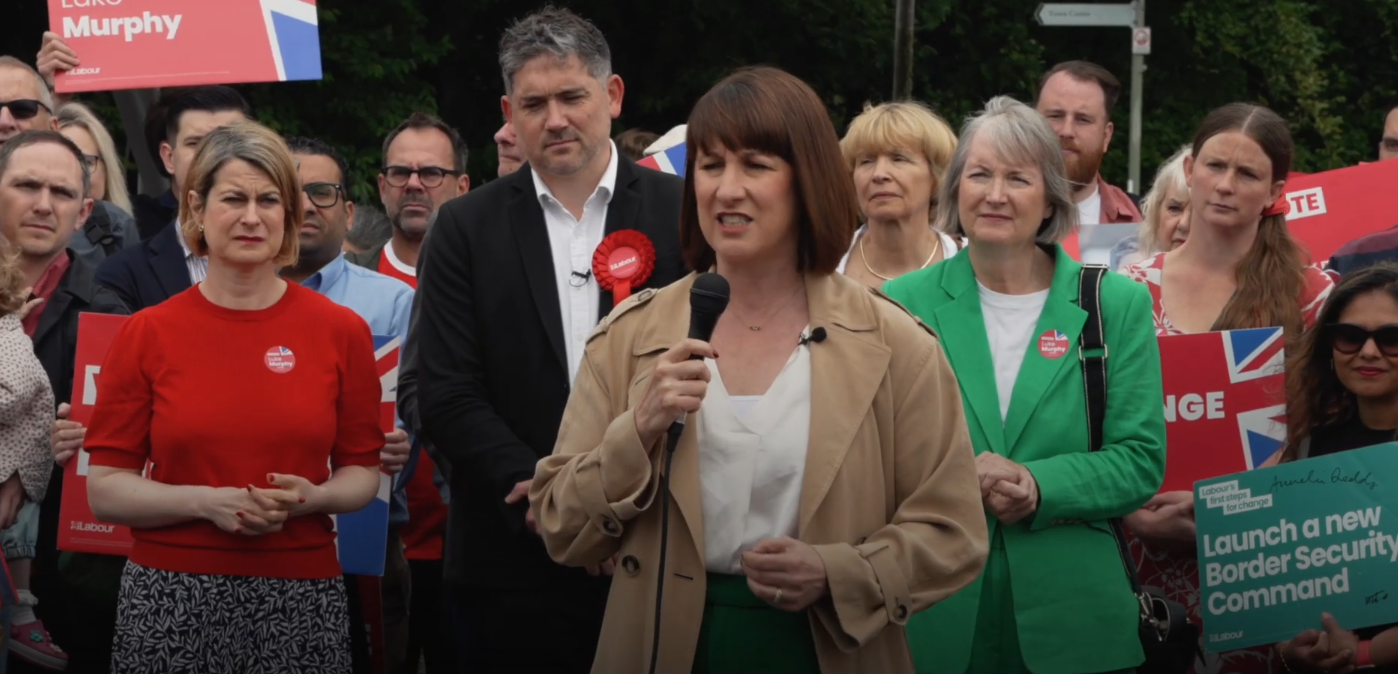
Chancellor unveils major changes aimed at reshaping the UK economy
The UK Budget 2025 is set to introduce some of the most extensive tax reforms in over a decade, with Chancellor Rachel Reeves outlining a broad restructuring designed to strengthen public finances and modernise the country’s economic framework. The sweeping measures are built around revenue generation, welfare support and investment in essential public services, signalling a decisive shift in fiscal direction.
At the core of the reforms is the highly watched overhaul of personal taxation, including continued freezes on income-tax thresholds that will draw more earners into higher brackets as wages rise. Reeves has argued that the measure offers a fairer way to generate revenue without placing the heaviest burden on those with the lowest incomes. The Treasury expects the approach to bolster long-term stability across public finances.
The Budget also focuses on taxation of savings and investment income, with new rules expected for dividend payments and high-interest savings accounts. By narrowing tax advantages historically tied to certain investment vehicles, the government intends to broaden the contribution base. Financial observers note that these changes will particularly affect individuals with significant passive income streams from the markets.

Property taxation is another major pillar of the reform package, with plans for higher charges on luxury homes valued above £2 million. Reeves has framed the approach as a way to ensure that the most valuable assets contribute more to the country’s economic rebuilding efforts. The proposals have already prompted strong reactions across the housing sector, especially in areas with high-value postcodes.
Reforms are also expected to touch on consumption-based taxation, including updates to duties on sugary drinks, gambling activities and recreational services. These measures are intended to align spending behaviours with public health priorities while generating additional revenue. Analysts believe this could influence consumer trends across several industries once implemented.
Changes to pensions and payroll deductions are included in the package, with revisions anticipated for salary-sacrifice schemes and certain National Insurance structures. The government’s goal is to create a simpler, more sustainable approach to long-term retirement contributions across the workforce. Employers are preparing for administrative adjustments that will accompany the new framework.
Alongside its revenue-raising ambitions, the Budget places clear emphasis on social welfare, highlighted by the decision to remove the two-child benefit cap. The reform is intended to provide meaningful support to low-income families and reduce child poverty levels throughout the UK. Reeves has described the change as essential in ensuring fairness and dignity for struggling households.
Public spending commitments form a crucial part of the economic plan, with targeted investment expected to focus on healthcare, schools, social care and national infrastructure. Reeves has repeatedly said that the government will not pursue a return to austerity, but nor will it allow an unchecked rise in borrowing. The aim is to deliver improved services without undermining fiscal responsibility.
For UK households, the Budget will have varied consequences depending on income, savings habits and lifestyle choices. Families benefiting from welfare changes may gain some relief, while middle-income earners and high-value property owners could experience greater financial pressure. Businesses across sectors are beginning to assess operational and pricing strategies in anticipation of the new tax climate.
As the finer details continue to develop, the 2025 Budget marks a turning point in the UK’s economic policy, reflecting a move toward disciplined revenue-raising paired with targeted investment and social support. Reeves has positioned the reforms as a necessary modernisation to secure the country’s long-term financial health. The nation now awaits the full rollout to understand how these sweeping tax reforms will shape daily life, business confidence and the broader economic outlook.