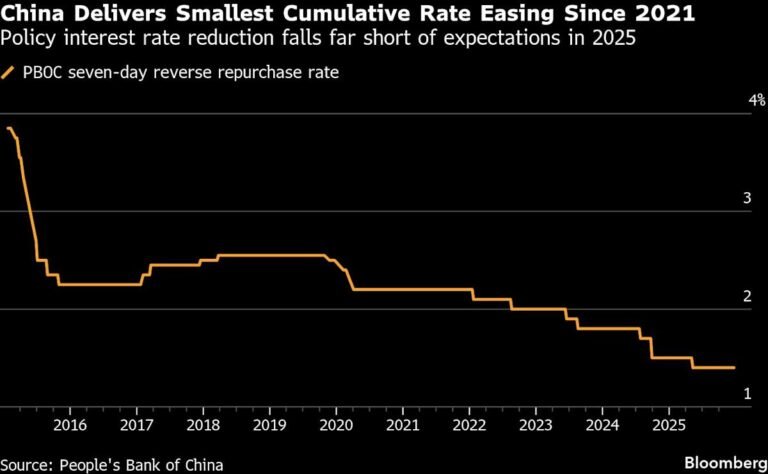
Savings income tax hike could cost small savers hundreds of pounds annually
New Tax Changes Set to Impact UK Savers
UK savers are preparing for notable financial changes after confirmation that savings income will be taxed more heavily under new Budget plans. The updated measures are expected to reduce the tax-free advantages many households have relied on, creating additional annual costs for those with modest savings. With interest rates having risen in recent years, the impact of these changes will be felt across a wide section of the public.
The government has outlined adjustments that lower the benefits available from savings income, meaning more people will now fall within taxable thresholds. As interest earnings on savings accounts and fixed-term products have climbed, the new tax structure is poised to capture a larger share of those gains. Small savers, who previously avoided taxation due to lower returns, may now see a portion of their interest taxed.
Families relying on savings for annual expenses or emergency funds could find the changes particularly challenging. With interest payments taxed at higher levels, the annual return on everyday savings accounts will decrease. This reduction may affect those who carefully manage small balances, as even modest tax deductions can accumulate over the course of a year.
The move also affects individuals using multiple savings products. Those splitting funds across fixed-rate bonds, ISAs not covering the full amount, or standard savings accounts may find their combined interest pushes them above the new thresholds. As a result, tax liabilities can increase gradually, creating unexpected deductions.
Analysts note that the hike arrives at a time when many households are still navigating the effects of rising living costs. Increased taxation on savings could add another layer of pressure, especially for those who depend on interest to offset day-to-day expenses. The policy is expected to generate substantial revenue for the government but may diminish the incentive to maintain traditional savings accounts.
Higher-rate taxpayers stand to lose more proportional value, as their permitted allowances are already lower. With the updated rules, individuals earning higher incomes will see a larger share of their savings growth taxed. This could influence future decisions about whether to keep funds in accessible accounts or explore longer-term investment options.
The government maintains that the adjustments are necessary to ensure fairness and strengthen fiscal stability. Officials argue that taxing savings more consistently with rising interest rates creates a balanced system. However, the reaction from savers has been mixed, with concerns about the policy’s effect on financial resilience.
Banks and building societies may also feel indirect effects. As returns become less favourable for customers, some savers might shift funds into protected accounts such as ISAs, or consider locking money into different financial products. This shift could influence the flow of deposits and overall market behaviour.
Financial advisers are urging savers to review their current arrangements. With the changes taking effect soon, households may need to reassess how much they keep in taxable accounts and whether they can make better use of tax-efficient alternatives. The year ahead is likely to involve careful planning for those trying to minimise new liabilities.
As the tax hike becomes part of the wider Budget framework, its influence will be monitored closely. For many small savers, the adjustment may translate to losing hundreds of pounds annually, making it a significant part of the year’s financial landscape.