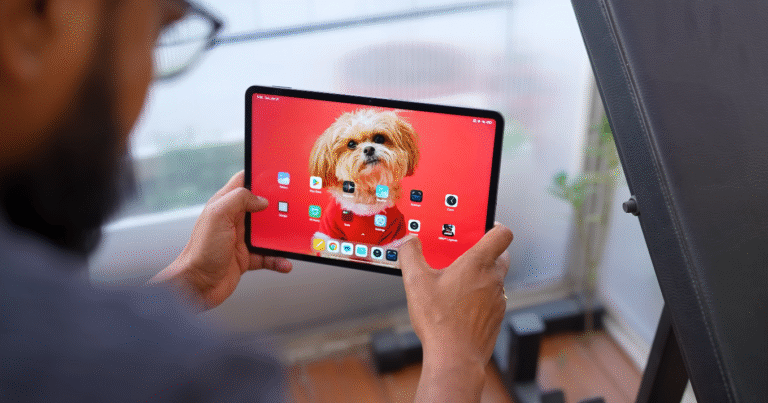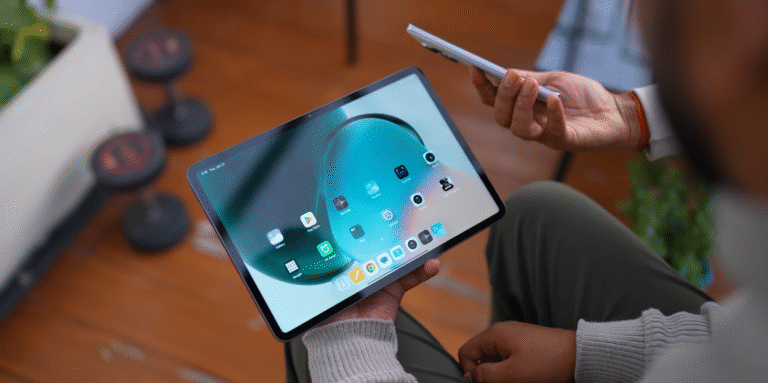
Samsung Galaxy Tab S11 Ultra vs iPad Pro benchmark test

Benchmark Performance Comparison: Galaxy Tab S11 Ultra and iPad Pro
The Samsung Galaxy Tab S11 Ultra and the Apple iPad Pro are two of the most powerful tablets available in the market, catering to professionals, creatives, and tech enthusiasts who demand high performance. Benchmark tests provide a clear perspective on how these devices perform under different workloads, including single-core and multi-core processing, graphics rendering, and overall system efficiency. Comparing the performance of these tablets helps users determine which device best fits their needs.
The Galaxy Tab S11 Ultra is powered by the MediaTek Dimensity 9400+ processor, built on a 3nm architecture with a 12-core CPU. This processor offers high efficiency and strong multi-core performance, allowing the tablet to handle demanding applications with ease. Early benchmark tests indicate that the Tab S11 Ultra achieves a single-core score of approximately 2,800 and a multi-core score around 9,173. These numbers demonstrate the tablet’s capability to manage multitasking, heavy applications, and parallel workloads without significant lag or performance drops. Tasks such as video editing, large spreadsheet calculations, and multi-app workflows benefit from the tablet’s multi-core optimization.
On the other hand, the iPad Pro is equipped with Apple’s M4 chip, featuring a 10-core CPU. The M4 excels in single-core performance, with benchmark scores reaching approximately 3,680 for single-core and 13,429 for multi-core tasks. This indicates that the iPad Pro performs exceptionally well in applications that rely on single-threaded operations, such as certain professional software, gaming, and creative tools. The high single-core performance contributes to faster app launches, smoother interface transitions, and responsive system interactions.
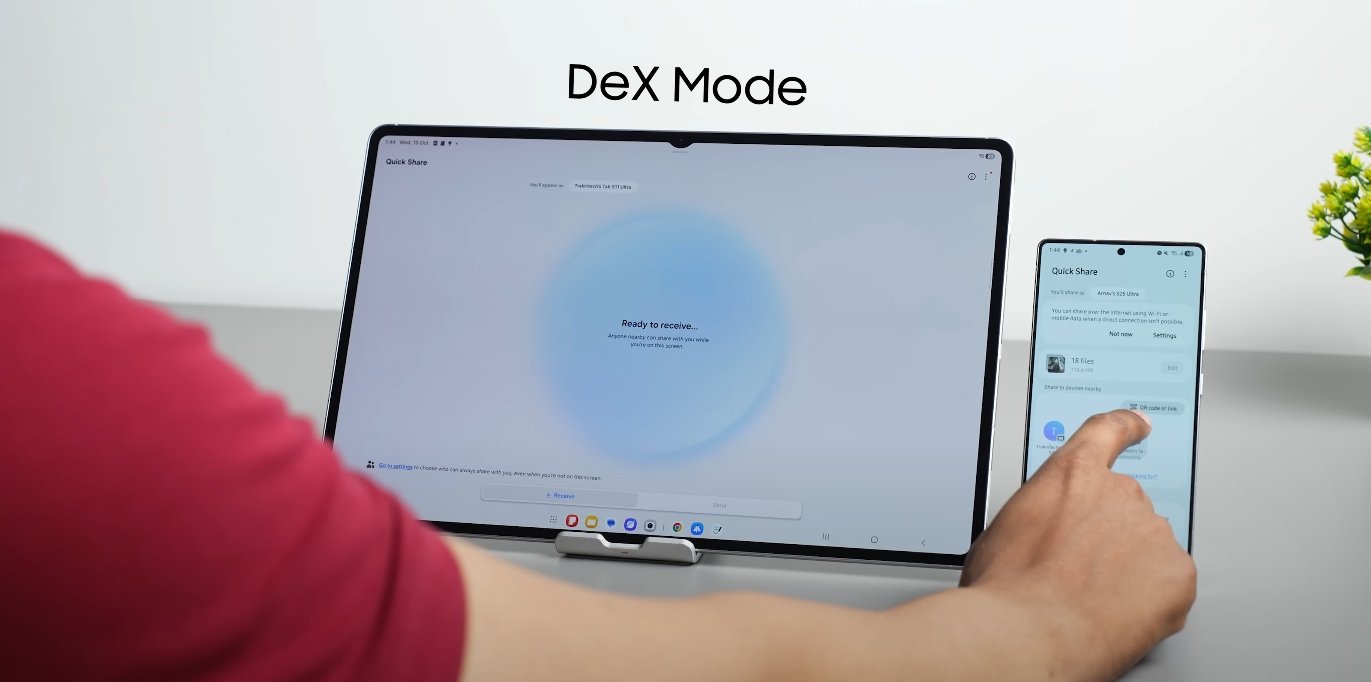
Graphics performance is an important factor for users who engage in gaming, 3D modeling, or video production. The Galaxy Tab S11 Ultra integrates a 12-core Immortalis-G925 GPU, delivering strong graphics capabilities. Benchmark tests show that the tablet handles high-resolution gaming and graphically intensive applications efficiently, achieving a GPU score of over 21,000 in standard compute tests. This ensures smooth frame rates, fluid animations, and responsive interactions for demanding applications. The tablet also benefits from software optimization that leverages the GPU for AI-enhanced tasks and visual rendering, improving overall productivity for creative professionals.
The iPad Pro’s M4 chip includes a 10-core GPU, known for delivering top-tier graphics performance. While exact benchmark numbers vary, the M4 GPU consistently demonstrates superior rendering efficiency, high frame rates, and smooth graphics handling. Applications like video editing, 3D modeling, and professional design software perform seamlessly, making the iPad Pro a favorite among creative users. Its GPU also integrates tightly with the system, allowing for energy-efficient performance without compromising speed.
RAM and storage configuration further impact benchmark results and real-world performance. The Galaxy Tab S11 Ultra comes with up to 16GB of RAM and up to 1TB of UFS 4.0 storage. This combination allows for fast app launches, quick file access, and efficient multitasking, especially for professionals handling large files or multiple applications simultaneously. The iPad Pro typically features 8GB to 16GB of RAM, depending on the model, and high-speed internal storage, which supports similar multitasking capabilities and rapid data access.
Battery efficiency is another consideration. Despite the Tab S11 Ultra’s high-performance processor and GPU, its energy-efficient 3nm chipset and large battery capacity maintain extended usage times. Users can perform intensive tasks without experiencing significant battery drain. Similarly, the iPad Pro is optimized for performance and energy efficiency, allowing long periods of creative or professional work without frequent recharging. Both tablets are designed to sustain performance even during prolonged workloads.
In practical terms, the Galaxy Tab S11 Ultra excels in multi-core performance and handles multitasking exceptionally well, making it suitable for professionals who rely on parallel processing. The iPad Pro stands out in single-core performance and GPU efficiency, providing fast responsiveness and excellent graphics handling for creative and professional applications. Both devices deliver exceptional benchmarks, but the strengths differ based on user requirements.
In conclusion, benchmark comparisons show that the Samsung Galaxy Tab S11 Ultra and iPad Pro each excel in different areas. The Tab S11 Ultra’s multi-core processing and powerful GPU make it ideal for heavy multitasking and parallel workloads, while the iPad Pro’s single-core speed and optimized graphics performance make it highly responsive and efficient for creative work. Choosing between these two tablets depends on whether users prioritize multi-core efficiency, graphics performance, or a balance of both, alongside considerations such as operating system preference and ecosystem compatibility.
Also Read: Samsung Galaxy Tab S11 Ultra software features revealed