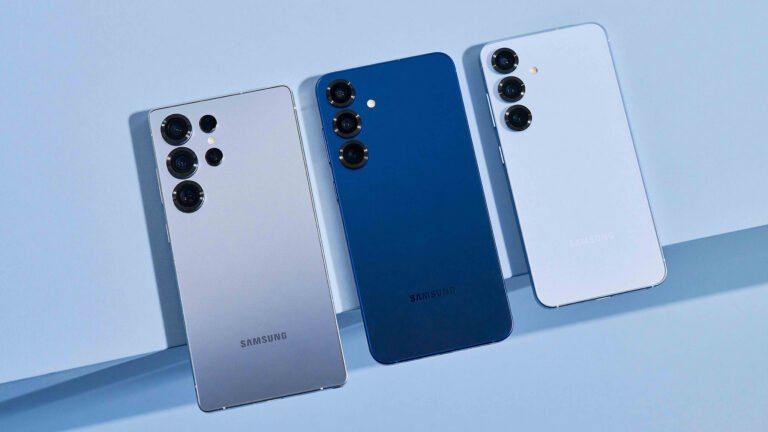
Samsung Galaxy M17 5G benchmark results surprise reviewers
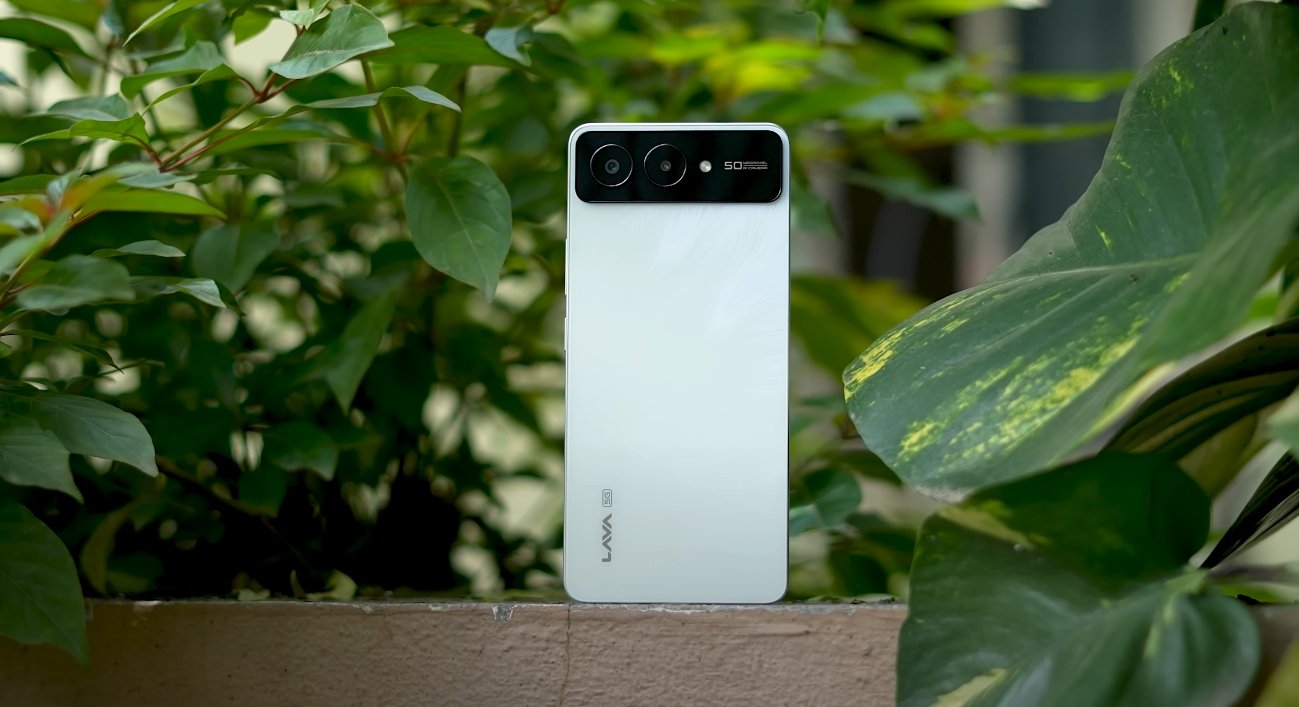
Samsung’s Budget 5G Phone Shows Unexpected Benchmark Performance
The Samsung Galaxy M17 5G has drawn widespread attention after its benchmark results surfaced online, revealing surprising performance numbers that left many reviewers puzzled. While Samsung promoted the Galaxy M17 5G as an affordable 5G device for everyday users, early testing shows that the phone performs differently than what many expected based on its hardware specifications. The results have sparked debate in the tech community over Samsung’s performance tuning and optimization strategies for its new midrange model.
According to benchmark data, the Galaxy M17 5G, powered by Samsung’s Exynos 1330 chipset, achieved scores that seem unusually modest for a phone in its category. The device reportedly reached around 762 in single-core performance and approximately 1,596 in multi-core testing on Geekbench. These numbers place the M17 5G slightly below other phones using the same processor, raising questions about whether Samsung deliberately limited its performance to enhance thermal stability or battery efficiency. Despite the lower scores, real-world use tells a different story.
Reviewers who tested the Galaxy M17 5G in daily scenarios found that the phone delivers a smoother experience than the benchmarks suggest. Tasks like web browsing, social media scrolling, streaming, and multitasking felt fluid and consistent. This has led many experts to believe that Samsung may have fine-tuned the software to prioritize sustained performance and efficiency over raw power. For most users, this means fewer lags during prolonged usage and better temperature control, especially during gaming or extended video playback.
The Exynos 1330 processor, built on a 5-nanometer architecture, is designed to balance power and energy efficiency. In the Galaxy M17 5G, it works alongside 8GB of RAM and Samsung’s One UI 6 interface based on Android 14. These elements combine to create a well-optimized system that, while not topping benchmark charts, maintains a steady and responsive performance for typical users. The phone also includes a 6.6-inch FHD+ display with a 120Hz refresh rate, which helps make the user experience feel snappy and fluid despite the lower benchmark scores.
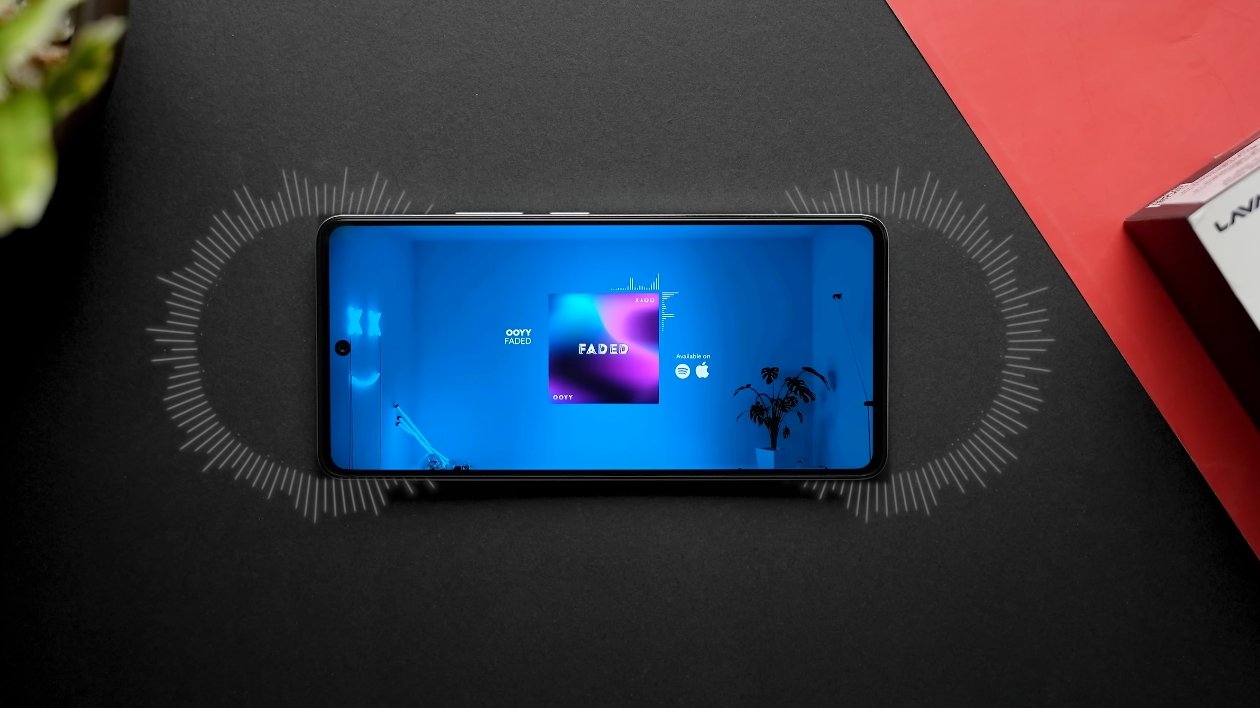
Some analysts suggest that the M17 5G’s performance tuning might vary by region, with Samsung possibly applying different firmware optimizations for power consumption in markets like India or Southeast Asia. Thermal management has been a recurring theme in Samsung’s recent M-series phones, as the company aims to ensure that devices remain cool and stable under heavy workloads. The M17 5G’s benchmark results could therefore reflect a more conservative approach to power limits, which may explain the difference between its numerical results and actual day-to-day usability.
Battery efficiency is another area where the Galaxy M17 5G excels. Featuring a massive 6,000mAh battery, the phone easily lasts more than a full day of heavy use. Reviewers note that this endurance is one of its biggest advantages, and it may come directly from Samsung’s decision to restrain peak CPU performance. With support for 25W fast charging, the device can recharge quickly and stay ready for extended sessions of gaming, streaming, or productivity. In this context, Samsung’s tuning decisions appear to prioritize user experience and longevity rather than chasing benchmark records.
In gaming tests, the Galaxy M17 5G delivered stable frame rates in popular titles such as Call of Duty: Mobile and PUBG Mobile, though at slightly reduced graphic settings. There were minimal instances of overheating, and gameplay remained consistent even during extended sessions. This contrasts with some midrange competitors that post higher benchmark results but tend to throttle performance when heat builds up. Reviewers see this as evidence that Samsung has balanced its hardware and software to provide steady, reliable output instead of temporary bursts of speed.
Despite these positive aspects, the benchmark surprise has fueled discussion about transparency in smartphone performance reporting. Some reviewers argue that Samsung could better communicate how its optimization choices impact results, especially when the same chipset performs differently across models. The Exynos 1330 in the Galaxy M17 5G clearly behaves differently compared to other devices using the same processor, suggesting Samsung customized its power profiles to meet the M-series’ focus on efficiency and endurance.
Overall, the Galaxy M17 5G may not top synthetic benchmark charts, but it has managed to impress reviewers through real-world stability, long battery life, and strong value for money. It underscores the idea that benchmarks alone cannot define the overall smartphone experience. For consumers who prioritize reliable 5G performance, all-day battery life, and consistent usability at an affordable price, the Galaxy M17 5G represents a smart, well-balanced option. Samsung’s focus on refinement over raw power could make this one of the most practical budget 5G phones to launch in 2025.
Also Read: Apple iPhone Air 5G network compatibility in USA