Redmi K90 Pro Max vs Samsung Galaxy S-series: value battle of the year
UK buyers question if legacy premium still justifies higher cost
The conversation surrounding the Redmi K90 Pro Max has been gaining momentum because the device’s specification direction has been aligned with high brightness displays, larger cell efficiency and strong silicon performance, traits that are usually associated with the luxury tier. Samsung’s Galaxy S-series on the other hand continues to represent the mainstream premium benchmark across the UK market, largely because of brand familiarity, carrier presence and dependable retail support networks. That is the background that makes this comparison meaningful for British buyers.
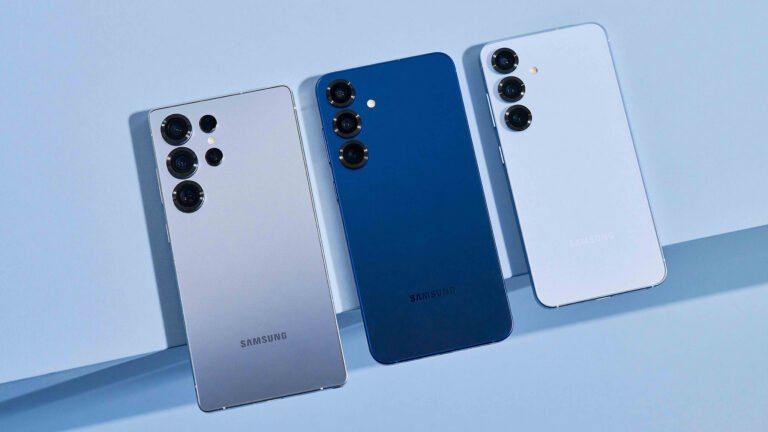
In the UK market, Samsung still remains the most visible Android flagship option on carrier programmes, and this visibility alone influences buying behaviour. Many UK users select their next phone at renewal without extensive research, and the brand security of Samsung gives reassurance in those moments. The extended software support expectation also feeds into those decisions, because buyers know the device will still be relevant for multiple cycles of platform updates.
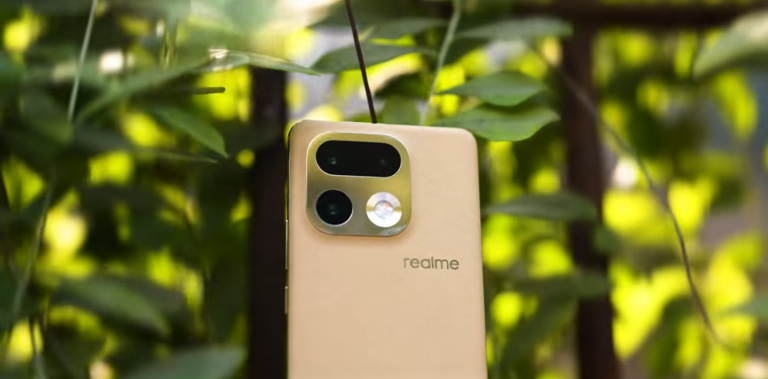
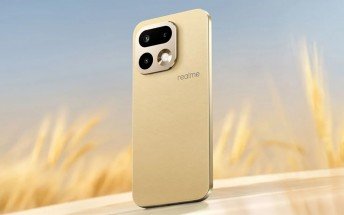
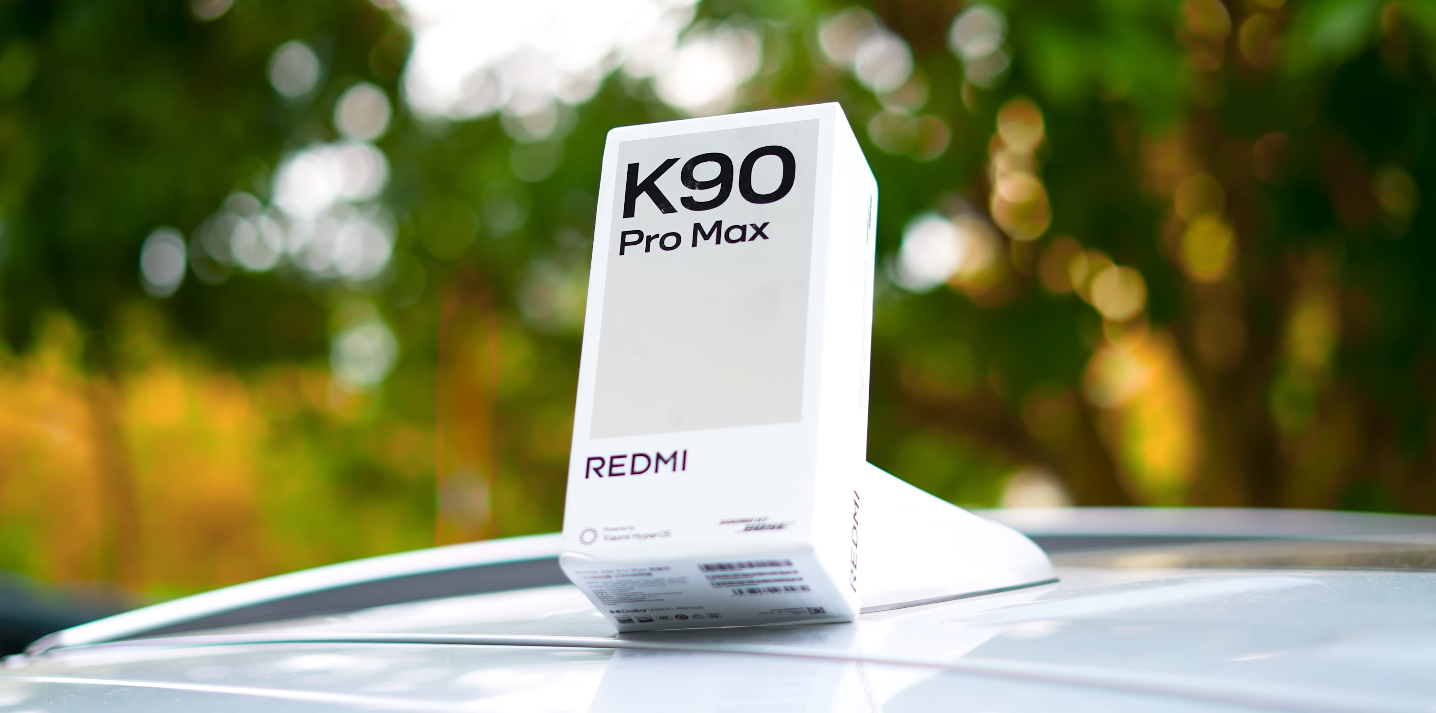
Redmi’s K-series however has carved out a reputation in global markets for approaching flagship-level hardware while avoiding the luxury-tier positioning. The K90 Pro Max aligns with that approach through focus on top performance silicon and extremely high peak luminance, and this combination has been publicly highlighted by the brand at platform level. That is why UK spec-focused buyers, particularly those who buy devices outright, have begun to track the K-series more closely than before.
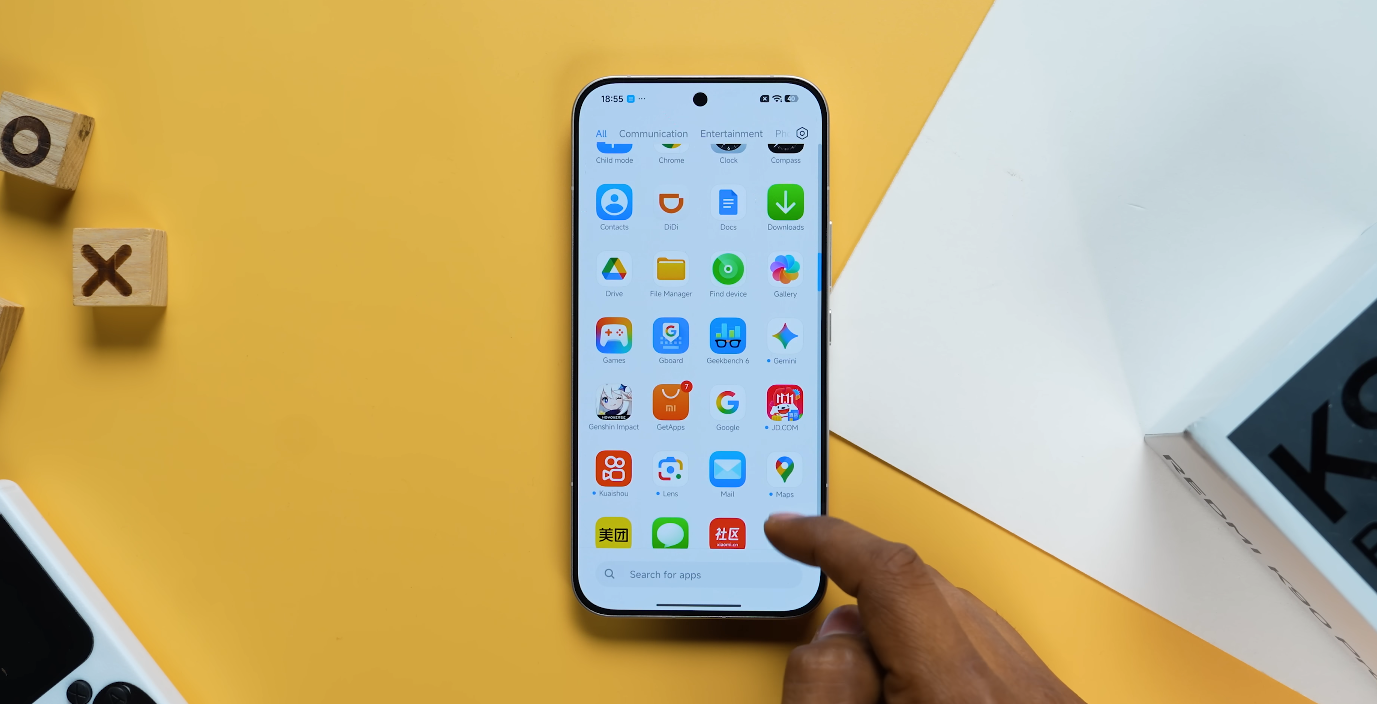
Peak display brightness capability is increasingly relevant in the UK because bright winter skies, glass building reflections and low angle sun situations are not rare. When a panel retains detail outdoors instead of dimming or washing out, the phone becomes easier to use during everyday movement. Redmi’s aggressive brightness strategy therefore becomes practical, not just a technical metric. UK users who navigate on foot or rely on maps while travelling already know how large that difference can feel.
Samsung however remains strong when daily consistency is measured. Camera post-processing, adaptive brightness reliability, stable thermal control and predictable performance under load are core strengths of the S-series. For UK users who need reliable capture and smooth performance across social apps, messaging layers and productivity tools, the mature tuning from Samsung continues to deliver a premium day-to-day feeling that justifies the long-standing brand loyalty.
Battery thinking also plays a meaningful role in this particular debate, because UK working patterns have blended remote work, commuting, walking and hybrid travel routines. Redmi’s K-tier cell development has centred on efficiency at higher density levels, which supports sustained screen-on time. If the K90 Pro Max converts those efficiency improvements into longer real-world longevity, that will resonate strongly with UK value buyers who want tangible endurance rather than luxury labelling.
Samsung on the other hand can argue that long-term ecosystem support offers a different kind of value for money. The integration with tablets, wearables, cloud accounts and cross-device continuity gives the Galaxy S-series a lifestyle benefit that goes beyond headline specifications. For UK users who already own multiple Samsung devices, switching away would break those familiar flows, and that ecosystem lock-in has real behavioural weight in purchase decisions.
So the question is no longer simply about which model is stronger on paper. It is about which direction better matches how UK smartphone ownership now works. If British buyers are primarily concerned with raw technical delivery, then hardware-forward releases like the Redmi K90 Pro Max look extremely persuasive. If they are more interested in ecosystem, warranty access, store support and predictable multi-year update cycles, the Samsung Galaxy S-series will remain the default comfortable option.
The UK smartphone environment is changing though, and buyers are more willing than before to question whether the legacy premium tier still deserves its historic price uplifts. The Redmi K90 Pro Max arriving with flagship-leaning characteristics intensifies this questioning process. It shows that modern flagship logic is not only tied to brand status, but also to how efficiently hardware value is delivered to everyday users.
That is why this particular match-up has been called the value battle of the year in the UK. Both devices represent different strategies, both strategies are valid, and both approaches target different psychological triggers. The deciding factor for the UK buyer is whether they prioritise maximum capability for less money, or whether they prioritise the comfort of long-term brand stability.
Also Read: Moto G67 Power Rumored to Feature 120Hz Display