Redmi K90 Pro Max ultra-wide & telephoto camera: competitive with high-end models?
How Redmi K90 Pro Max’s cameras stack up against flagship rivals
The Redmi K90 Pro Max is drawing attention for its advanced camera setup, especially the ultra-wide and telephoto lenses that aim to challenge premium smartphones. Xiaomi has positioned this device as a true flagship killer, equipped with upgraded sensors and optical hardware designed to compete well above its price category.
The device features a 50MP ultra-wide sensor with an 18mm equivalent focal length and 102° field of view, alongside a 50MP periscope telephoto lens capable of 5x optical and up to 10x “lossless” zoom. Both lenses promise professional-grade versatility and are backed by Xiaomi’s computational photography enhancements.
In day-to-day use, the ultra-wide lens performs admirably, producing sharp images with excellent colour consistency. The sensor quality mirrors what Xiaomi uses in its premium 17-series models, giving users high-end imaging capability at a more affordable level. The wide sensor captures good detail across the frame, though its narrower field of view makes it slightly less dramatic than ultra-wides in top-tier flagships.

The telephoto camera has quickly become one of the K90 Pro Max’s strongest features. With 5x optical zoom and well-tuned AI-assisted processing, it delivers crisp, stable zoomed-in shots that rival phones nearly twice its price. Reviewers note that this lens outperforms the standard Xiaomi 17 in zoom quality, though it still falls short of the elite models’ longer optical ranges.
In bright lighting, both the ultra-wide and telephoto cameras offer excellent exposure balance and contrast. The telephoto lens captures fine textures without excessive sharpening, while the ultra-wide remains consistent in colour temperature, keeping sky and skin tones natural. The results are highly competitive for a phone in this segment.
However, the ultra-wide’s 18mm focal length slightly limits its perspective compared to some flagships offering 120° or more. While that difference might seem small, it affects how much scene you can fit into one frame — a key factor for landscape or architecture shots. Still, the higher resolution and improved distortion control partly offset the narrower angle.
The telephoto lens does reveal its limits in low-light scenarios. With a smaller sensor size and reduced pixel area, night-time shots can appear softer and less detailed. Xiaomi’s night mode helps recover some clarity, but motion handling and stabilisation lag behind flagship devices with larger zoom sensors or hybrid periscope systems.
Despite these compromises, the Redmi K90 Pro Max’s camera system performs above expectations for its price bracket. The AI-driven image fusion and colour calibration improvements bring out impressive dynamic range and reduced noise, especially in daylight or portrait compositions. It proves that Xiaomi’s mid-premium models can rival high-end brands in most real-world conditions.
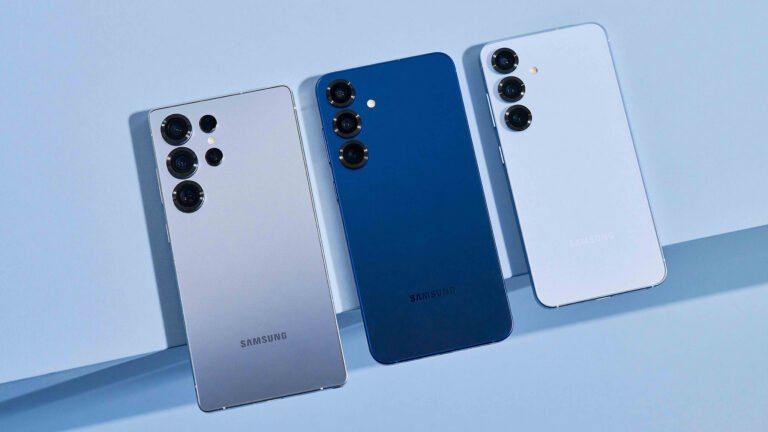
When compared with phones like the Samsung Galaxy S25 Ultra or Apple’s iPhone 16 Pro Max, the K90 Pro Max understandably doesn’t reach the same level of sensor depth or optical flexibility. Those models benefit from larger sensors, longer periscope zoom, and advanced stabilisation systems. Yet for most users, the Redmi comes remarkably close in overall image quality.
For UK buyers, the Redmi K90 Pro Max represents a serious value proposition. It offers a true high-end experience without the premium pricing, delivering ultra-wide and telephoto results that satisfy both casual and enthusiast photographers. While it may not dethrone the most expensive flagships, it proves that Xiaomi’s latest innovation has genuinely narrowed the performance gap.
In short, the Redmi K90 Pro Max isn’t just a budget alternative — it’s a capable photography tool that competes confidently with high-end models. Its combination of detailed ultra-wide shots, reliable zoom performance, and smart image processing make it one of the most balanced camera setups in its class today.