Redmi 15 vs Redmi 14: Is the new model worth upgrading?
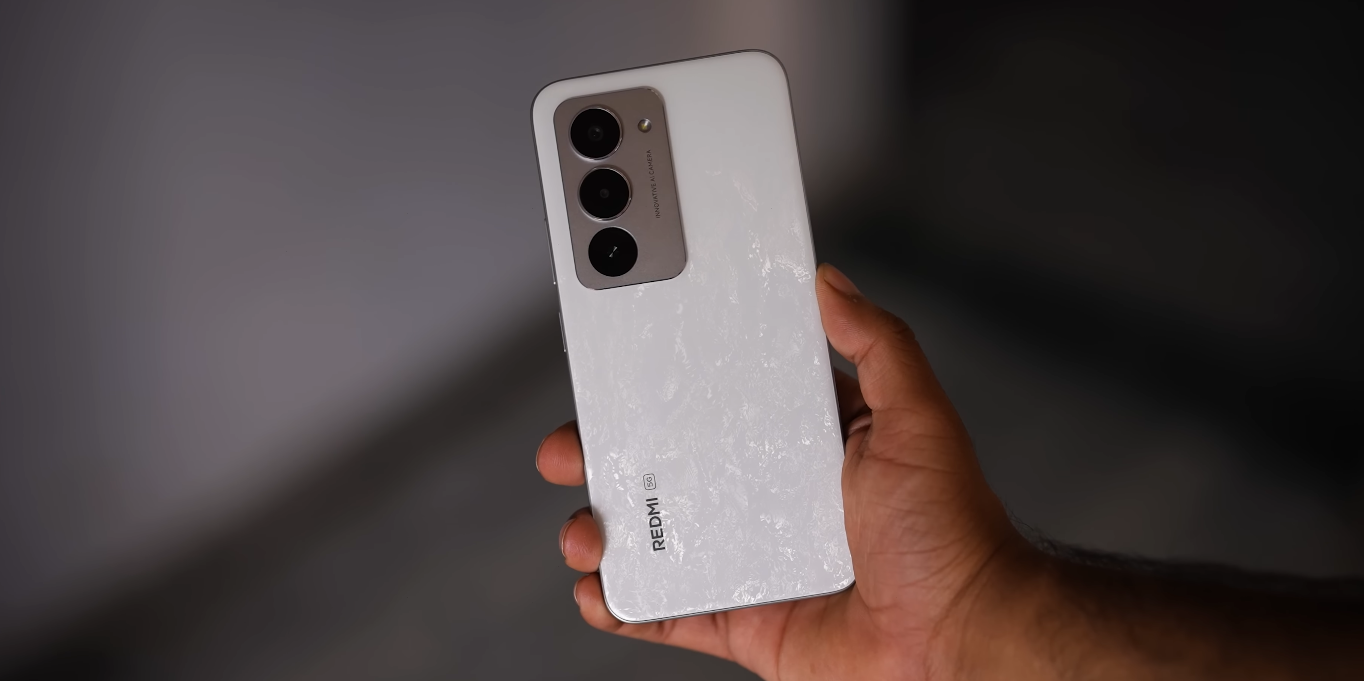
Redmi 15 brings new power, but is it really a major step up?
The Redmi 15 has officially arrived, continuing Xiaomi’s popular budget-friendly series. Many UK buyers are now wondering whether it’s worth upgrading from the Redmi 14. While the latest model does bring several improvements, not all of them may justify an upgrade for every user.
The biggest highlight of the Redmi 15 is its massive 7,000mAh battery, which easily outshines the Redmi 14’s 5,000mAh cell. This improvement means significantly longer endurance for day-to-day tasks, streaming, and gaming. However, charging speed remains capped at 33W, which is decent but not dramatically faster than the previous model’s 30W support.
In terms of display, the Redmi 15 gets a 6.9-inch Full HD+ LCD panel with a 144Hz refresh rate, offering smoother motion for browsing and gaming. The Redmi 14, depending on the variant, had a 120Hz AMOLED display. This means the newer model provides better refresh rate performance, but those who prefer richer colours and contrast might still find the older AMOLED panel more appealing.
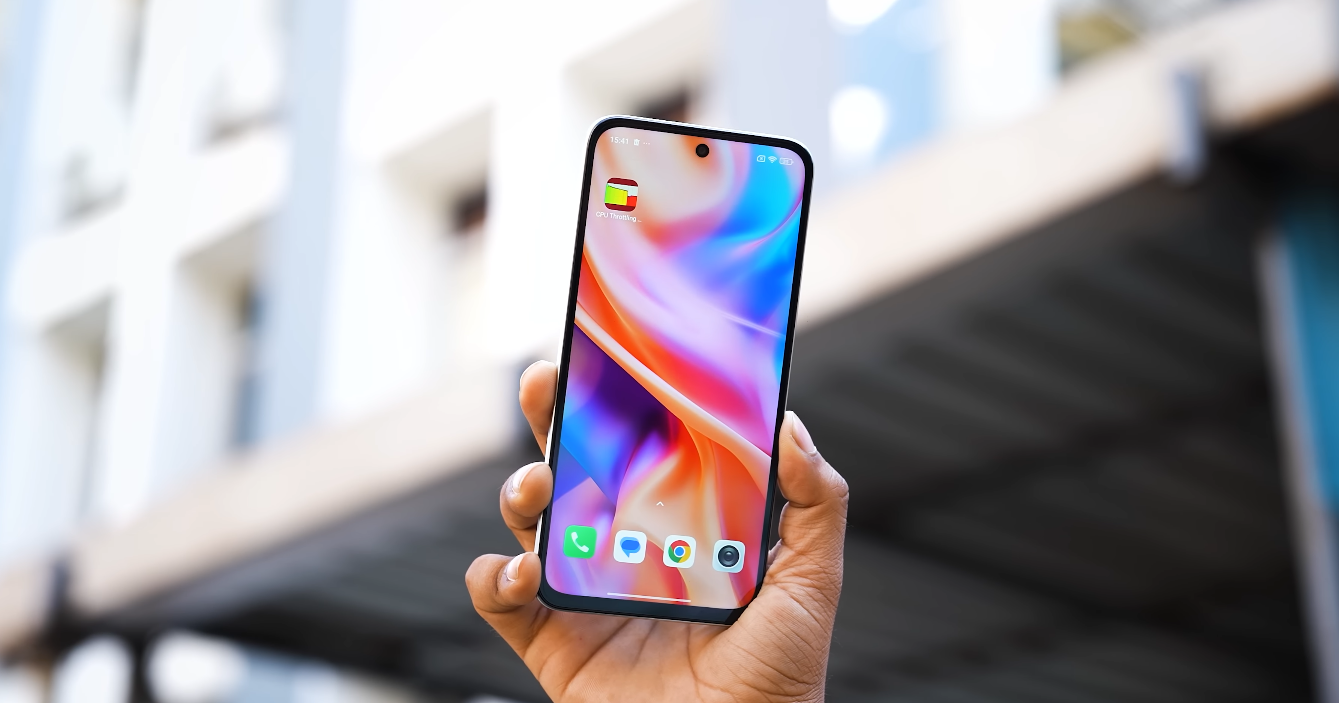
Performance-wise, the Redmi 15 runs on the Snapdragon 685 chipset with up to 16GB of extended RAM. It handles multitasking and moderate gaming without issue. Compared to the Redmi 14’s mid-range processor, users may notice slightly faster response times and better system stability, especially with Xiaomi’s latest HyperOS 2 based on Android 15.
When it comes to photography, the Redmi 15 features a 50MP primary sensor paired with an AI depth lens. The Redmi 14, in contrast, offered a higher 108MP main sensor on some models. Although megapixels aren’t everything, users upgrading from the 108MP variant might not find the Redmi 15’s camera to be a significant jump. However, improved image processing and colour balance in the new model help maintain overall quality.
The design of the Redmi 15 takes on a more premium look with slimmer bezels and an IP64 rating for dust and splash resistance. That’s an upgrade over the Redmi 14, which lacked official protection certification. Build quality feels sturdier, giving it a more modern and reliable feel for daily use.
Another subtle advantage of the Redmi 15 is in the software department. It ships with Android 15, which ensures longer security and feature update support compared to the Redmi 14. For those who plan to hold on to their device for several years, this provides a stronger long-term value.
Despite these improvements, the Redmi 15 doesn’t completely outshine the Redmi 14 in every aspect. Users satisfied with their current phone’s performance, especially those with the AMOLED variant, might not find the display change worthwhile. The upgrade mainly benefits users who want better endurance and updated software rather than camera or display advancements.
For UK buyers, the Redmi 15’s improvements are meaningful if you need a more durable and longer-lasting smartphone. Its larger battery, refined design, and updated software make it a practical upgrade. But for users who already own the Redmi 14 and aren’t facing battery or speed issues, holding off until the next generation might make more sense.
Overall, the Redmi 15 is a dependable evolution rather than a major leap. It’s an ideal option for first-time buyers or those coming from much older Redmi models, but not necessarily a must-have for recent Redmi 14 owners who are still happy with their device.