Redmi 15 vs Google Pixel 9a: which gives better pictures for less?
Camera comparison and value analysis
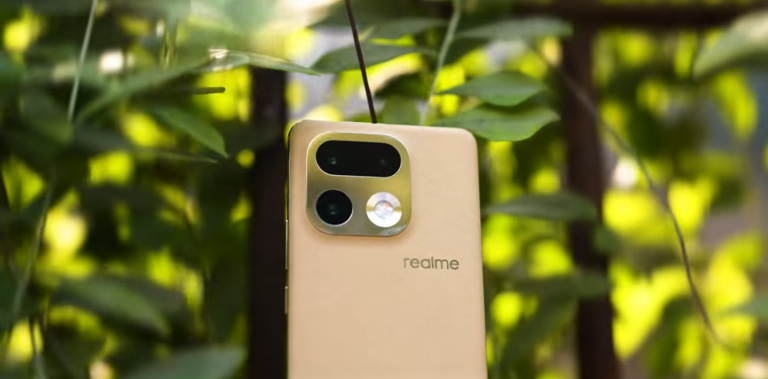
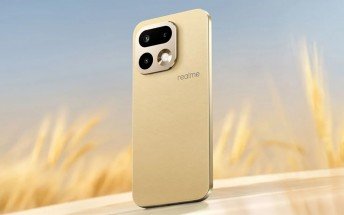
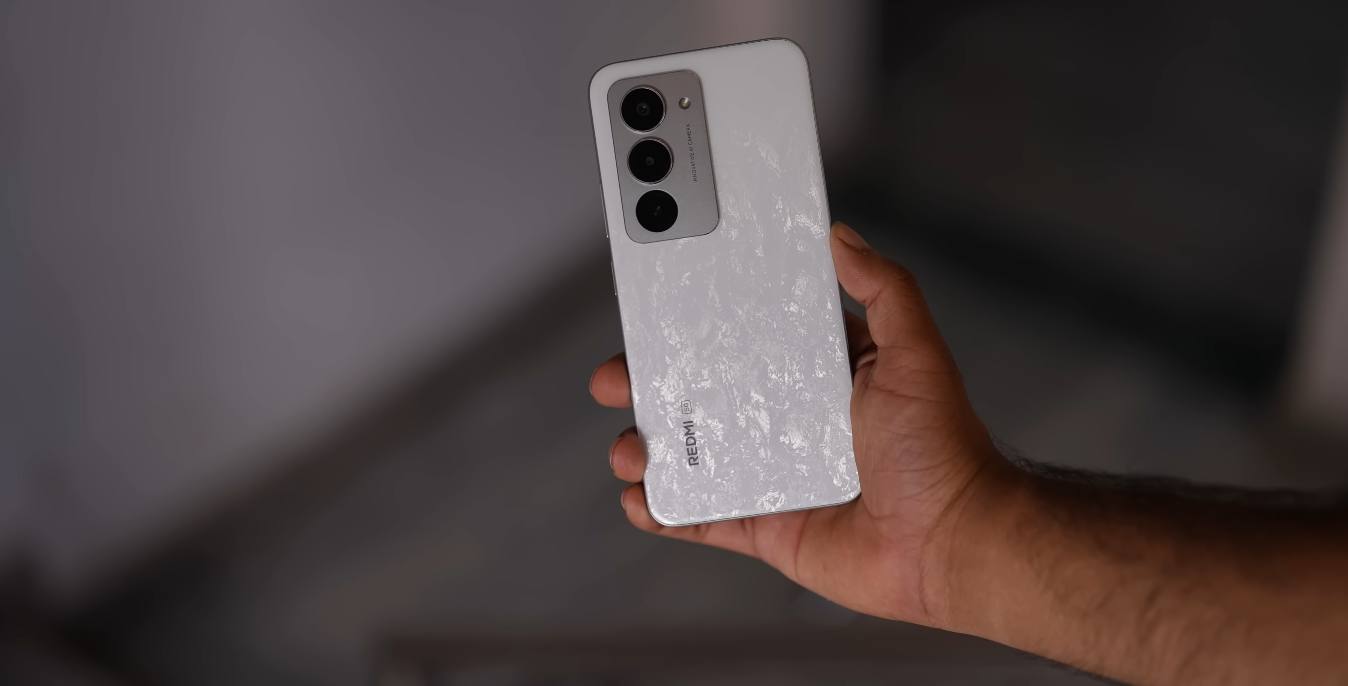
When choosing a smartphone based on camera performance and value, two intriguing options are the Redmi 15 and the Google Pixel 9a. The Redmi 15 positions itself in the budget segment, offering a large-sensor main camera and solid basic features for less money. The Pixel 9a, while priced higher, offers stronger optics, additional lenses and refined software processing. This article evaluates how both devices perform in photography, especially for UK buyers, and which one offers better pictures for the money spent.
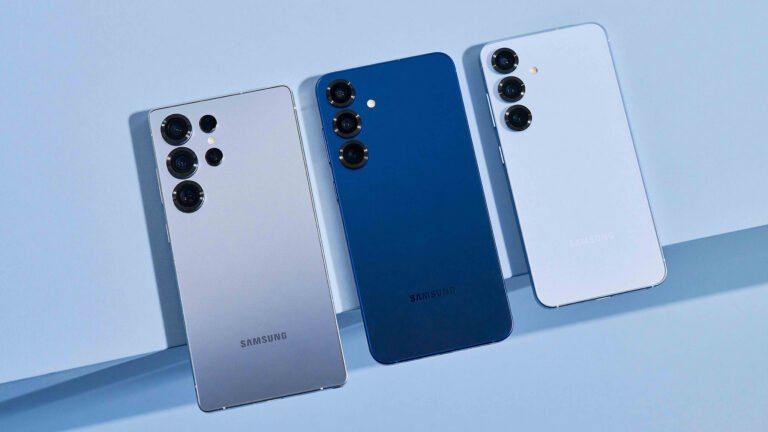
Starting with the main camera specs, the Redmi 15 includes a 50 MP primary sensor and a secondary AI lens. Its front-facing camera and lens variety are modest. In contrast, the Pixel 9a features a 48 MP primary sensor plus a 13 MP ultra-wide lens, and the software from Google adds significant value to image processing. The result is that the Pixel has a more complete toolset for photography, whereas the Redmi focuses on the main camera only.
In daylight and portrait conditions, the differences become clearer. The Redmi 15 handles good lighting well, producing clean subjects, decent detail and acceptable background blur for casual social posts. The Pixel 9a, however, excels further: its portrait mode blur is smoother, edge detection is more refined, and the ultra-wide lens gives users creative flexibility. If you frequently shoot social content in good light, the Pixel provides more polish, while the Redmi remains a strong value.
Low-light photography is often where budget cameras struggle, and here the gap widens. The Redmi 15 provides usable night shots—bright enough for sharing on social media, but with visible noise and less dynamic range than premium phones. The Pixel 9a, with its larger aperture, better lens combination and mature software, delivers superior results in darker environments. For users shooting nightlife, indoor events or poorly lit scenes, the Pixel clearly leads.
Versatility is another area of distinction. The Pixel’s ultra-wide lens means you can take landscapes, group shots and creative perspectives without buying extra gear. The Redmi’s dual camera setup lacks that breadth. Also, Google’s image software offers better HDR, better low-light algorithms and more consistent results across scenarios. For a photo-focused user, this versatility and processing matter even if the price is higher.
The “less money” factor depends heavily on your budget and how you weigh camera needs. The Redmi 15 costs significantly less and offers very good camera performance for its class. If your usage is moderate—social posts, daylight photography, general snapshots—the Redmi might suffice and gives you solid value. But if you prioritise photography as a key feature—night shoots, ultra-wide shots, professional-style portraits—the Pixel 9a justifies the premium cost.
UK buyers should also consider factors beyond camera specs: software update policy, warranty, storage and model variants. Google typically offers longer software support which can benefit photography features over time. Redmi may have shorter update cycles. Cost of purchase, storage options and availability of UK camera features should all feed into your decision.
In conclusion, if I must choose: for the best overall picture quality, the Pixel 9a wins. It offers better optics, more lens versatility, and superior low-light performance. But for the best cost-to-camera value, the Redmi 15 is a very strong contender—especially if your photography needs are casual and your budget is limited. For UK users wanting “good pictures for less money”, the Redmi 15 delivers meaningful value. For those wanting “excellent pictures and willing to spend more”, the Pixel 9a is the smarter choice.