Redmi 15 display refresh rate: 144Hz-benefit in real life
How the high refresh rate changes the user experience
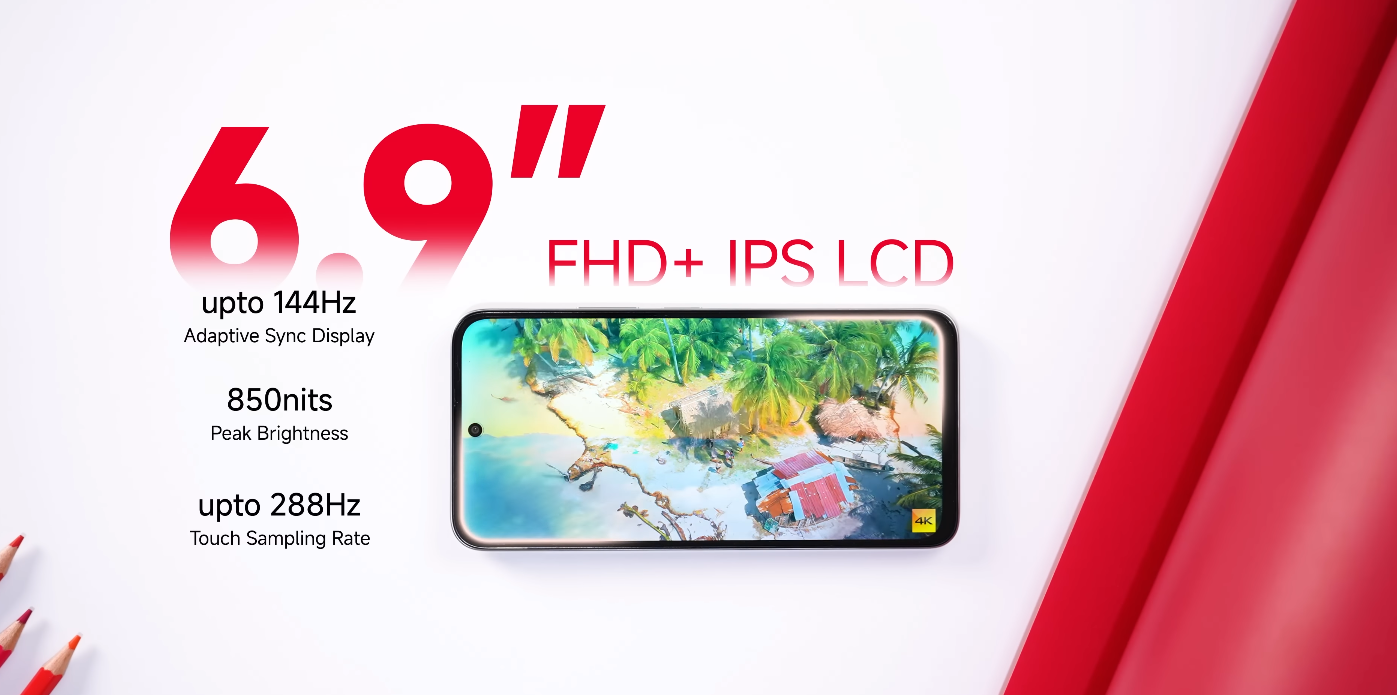
The Redmi 15 stands out in its price range with a 6.9-inch display that supports a 144Hz refresh rate — a specification usually reserved for gaming phones or premium devices. But beyond the spec sheet, what does this mean in everyday use for typical UK buyers?
A 144Hz refresh rate means the screen updates 144 times per second, compared to 60 times on most budget phones. This higher frequency creates smoother animations and scrolling. The moment you unlock the Redmi 15 or glide through social feeds, you can feel the difference. Transitions appear fluid, and motion looks more natural, especially on such a large display.
The advantage becomes even clearer while gaming. Titles that support higher frame rates feel far more responsive, with minimal motion blur or lag between actions. Combined with the phone’s adaptive refresh feature, which dynamically adjusts the rate to the activity, users get smoother gameplay without excessive battery drain.

Watching videos and browsing also feel better thanks to the display’s speed. Fast-moving content such as sports clips or reels plays more consistently, with fewer stutters. Even casual tasks like switching between apps or scrolling long pages benefit from that extra responsiveness.
However, the benefit comes with a few limits. The Redmi 15 uses an LCD panel rather than AMOLED, which means it doesn’t deliver the same deep contrast or rich blacks as some competitors. The colour saturation and peak brightness remain adequate but not premium, particularly under bright sunlight.
Battery performance remains strong despite the high refresh rate. The phone’s adaptive technology reduces it to lower frequencies when static content is displayed, helping conserve power. The large 7,000 mAh battery ensures that users can enjoy the smooth visuals for extended periods without frequent recharging.
The hardware, powered by a Snapdragon mid-range processor, handles most 144Hz tasks well, though not all games fully exploit the higher refresh rate. Heavier titles may run closer to 60 or 90fps, meaning the visual improvement depends on the app’s optimisation. Still, for everyday interaction and lighter gaming, the smoothness is unmistakable.
Touch response also improves with the Redmi 15’s high sampling rate. The screen reacts faster to taps and gestures, making typing, gaming, and general navigation feel quicker and more accurate. It’s a subtle improvement that becomes noticeable once you return to a lower refresh device.
While 144Hz offers an undeniable visual upgrade, its real-life impact is most noticeable in motion-heavy use cases. For users who mainly call, text, or use basic apps, the difference may seem less dramatic. But anyone who values fluidity, gaming smoothness, or premium-like display feel will find the upgrade worthwhile.
In the end, the Redmi 15’s 144Hz display isn’t just a marketing feature — it genuinely enhances everyday responsiveness and makes the interface feel more refined. For its price bracket, it delivers a level of smoothness that gives the phone a flagship-like feel, even if the panel technology itself remains mid-range.