POCO F8 Pro screen refresh – 120Hz vs 144Hz – does the extra Hz matter?
Understanding the real difference between 120Hz and 144Hz on a smartphone
Choosing between a 120Hz and a 144Hz display on the POCO F8 Pro comes down to how much you value motion smoothness and whether that extra refresh rate delivers a meaningful benefit in everyday use. While both refresh rates offer excellent performance, the actual difference between them varies depending on what you do with your phone. For most UK users, the jump from 120Hz to 144Hz is far smaller than the big leap from 60Hz to 120Hz.
A 120Hz display already refreshes very quickly, making scrolling, animations and transitions feel fluid. When you move up to 144Hz, the refresh rate increases slightly, meaning the screen updates a bit more often each second. In theory, this produces smoother visuals and reduces motion blur, but the improvement is subtle. Many users find it difficult to notice the difference unless they switch back and forth between both refresh rates.
Smartphone content also plays a major role. Most everyday apps—like messages, social media, web browsing or photo viewing—do not push frame rates anywhere near 144fps. Because the content does not update that quickly, the additional refresh rate is often unused. Even many video apps remain capped at 60fps, meaning the display’s full potential isn’t tapped. This makes the practical advantage of 144Hz limited for casual use.
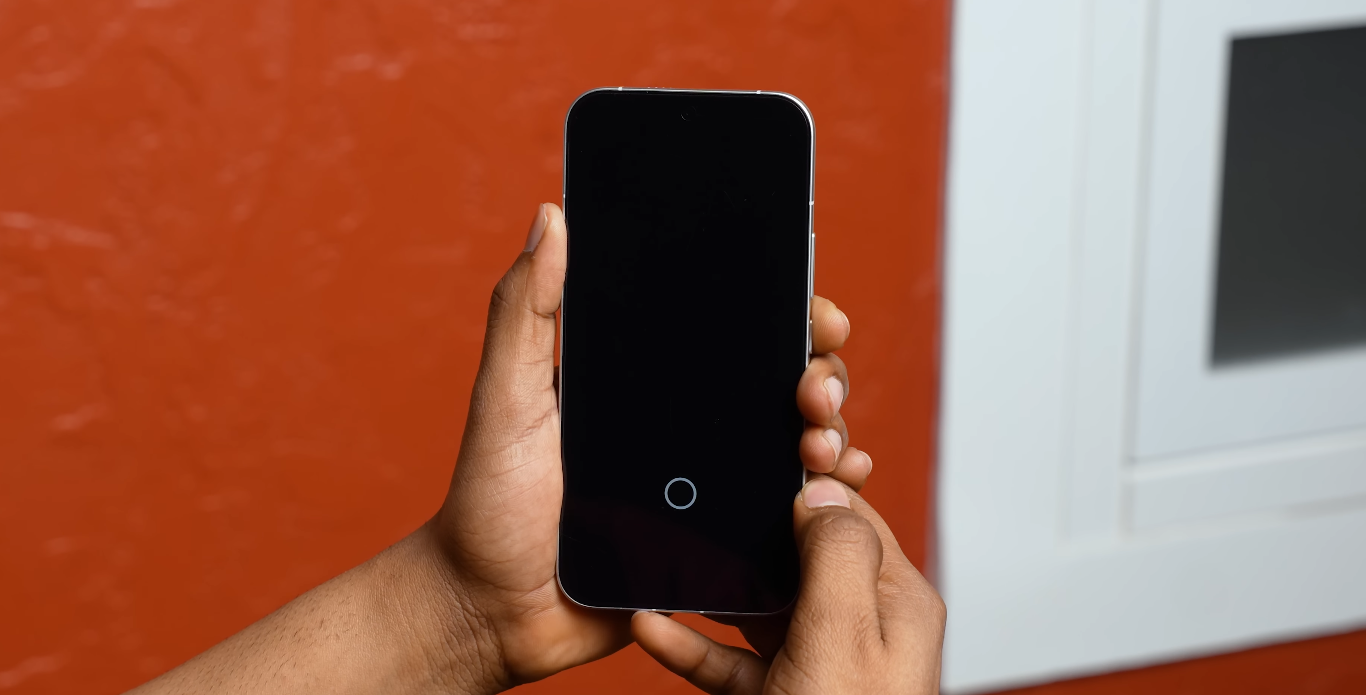
Mobile gaming is the one area where 144Hz may deliver a noticeable benefit. Competitive shooters, racing titles and fast-action games can take advantage of higher frame rates when optimised correctly. If you play games that support high refresh rates and have hardware powerful enough to maintain those frame rates, the F8 Pro’s higher refresh option could feel smoother and more responsive. However, not all games support 144Hz, limiting the impact for many users.
Battery life is another important consideration. Higher refresh rates require more power because the screen updates more frequently. A 144Hz panel may consume slightly more battery than a 120Hz one, especially if the device doesn’t manage its refresh rate intelligently. Phones with adaptive refresh systems help reduce drain by lowering the refresh rate when high speed isn’t needed, but the difference still matters over a full day of use.
Another factor is the smoothness your eyes can realistically perceive. Human sensitivity increases sharply when moving from 60Hz to 120Hz, making that change highly noticeable. But once you’re above 120Hz, the improvement becomes much smaller. While gamers and highly sensitive users may notice the subtle gain, most people find 120Hz already exceptionally smooth for normal tasks.
The overall user experience depends on more than just the refresh rate. Touch response, animation speed, system optimisation and display quality also affect perceived smoothness. If the POCO F8 Pro is well-optimised at 120Hz, it can feel just as fluid as a device running at 144Hz without requiring extra battery power or specialised gaming support. This makes 120Hz a strong default for everyday users.
For UK buyers comparing the two, price and practicality matter. If the 144Hz model costs more, the extra refresh rate alone may not justify the difference unless gaming is a top priority. For users who simply want a responsive, modern-feeling display, 120Hz already offers premium smoothness that fits most routines, including browsing, media use and multitasking.
Choosing 120Hz also ensures better battery consistency throughout the day. With high-resolution displays and powerful processors, efficient battery use becomes a priority. A 120Hz panel strikes a good balance between performance and endurance, giving users the benefit of smooth visuals without the unnecessary drain of always running at higher speeds.
In summary, the POCO F8 Pro’s 120Hz display already delivers excellent performance for daily use, with smooth animations and a modern feel. The 144Hz option provides a small improvement that may appeal to mobile gamers or enthusiasts but offers limited benefit for everyday apps. For most users, 120Hz remains the smarter, more balanced choice, while 144Hz becomes worthwhile only if you know your usage will take advantage of the extra frames.