POCO F8 Pro for students: premium specs, budget price – worth it?
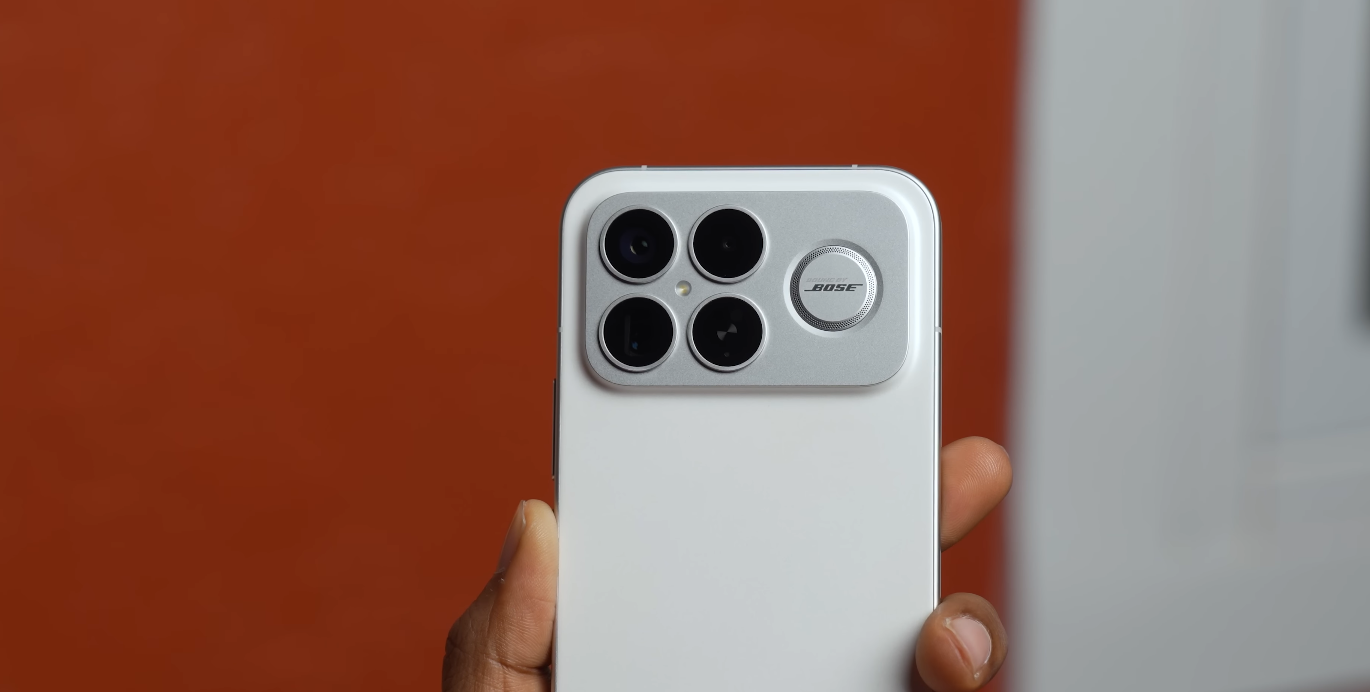
Is the POCO F8 Pro a Smart Choice for UK Students?
If you’re a student in the UK shopping for a new phone and the POCO F8 Pro has caught your eye, the big question is whether it delivers premium features without stretching your budget—and whether it aligns well with student life. The short answer: for many students, yes—it looks like a strong option, but there are some trade-offs worth keeping in mind.
First up, the hardware specs are impressive for the price-range. The POCO F8 Pro is rumoured to include a high-end chipset, plenty of RAM and fast storage—meaning it can handle multiple apps, document editing, media playback and even creative tasks like video capture or editing. That performance edge makes it suitable for study periods, project work, streaming during downtime, and social media use—all in one device.
The display and battery life reinforce its value for students. A large screen with high refresh rate means lectures, readings, streaming and social apps feel smooth. Meanwhile, a bigger battery plus fast-charging means less worry about running out of power during campus days, library sessions or when travelling between lectures. That reliability is a plus when your day is busy and plugging in isn’t always convenient.
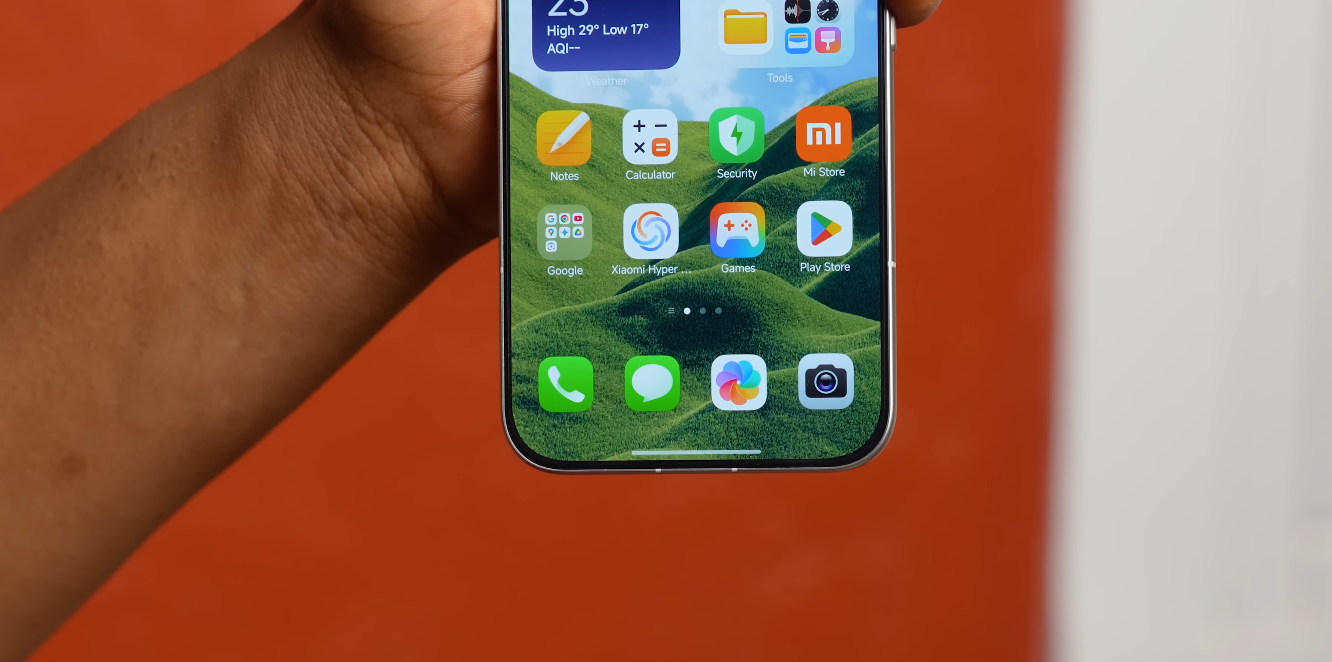
One of the strongest arguments for students is value for money. A “value flagship” like the F8 Pro offers many of the features of full-flagship phones (top chip, large storage, strong battery) but at a lower cost. That helps when your budget is limited and you want to keep some money for other expenses rather than spending big on a phone alone.
On the other hand, there are a few caveats. One is size and weight: premium specs often mean larger form factor, and if you prefer a compact phone that fits easily in smaller pockets or one-hand use during campus walks, you may find it a bit bulky. Another issue is longevity and support: while specs are important, long-term software updates, service support and resale value matter—especially if you plan to use the phone for a few years. A lesser-known brand or value model may not hold up in these areas as strongly as more established flagships.
Also, it’s worth asking how many of the “premium” features you actually use. If your phone use is mostly notes, calls, messages, streaming and some light social media, you may not fully benefit from the high-end camera or ultra-fast charging—so a cheaper device might suffice. It comes down to your use case: heavy multi-tasking, creative work or high-end gaming make the F8 Pro more justifiable.
In terms of student-specific use, the POCO F8 Pro lines up well: strong performance for assignments and apps, good media experience during downtime, battery for long university days, and value that keeps your budget flexible. If you expect to keep the phone for 2-3 years and want a device that will still feel current, it’s a wise pick.
On the flip side, if you’ll upgrade frequently, use the phone lightly, or have a very tight budget, then looking at mid-range phones may offer better budget balance. You could allocate more money to other student-needs (travel, subscriptions, study materials) and still get acceptable phone performance.
In summary: Yes—many UK students will find the POCO F8 Pro very worth it. It offers premium-level features at a strong value, aligning well with both study and downtime needs. But it’s not strictly necessary if your needs are modest or you prioritise budget over top specs.