Oyster Farming Boosted by NASA Satellite Data
NASA Satellite Data Revolutionises Oyster Farming
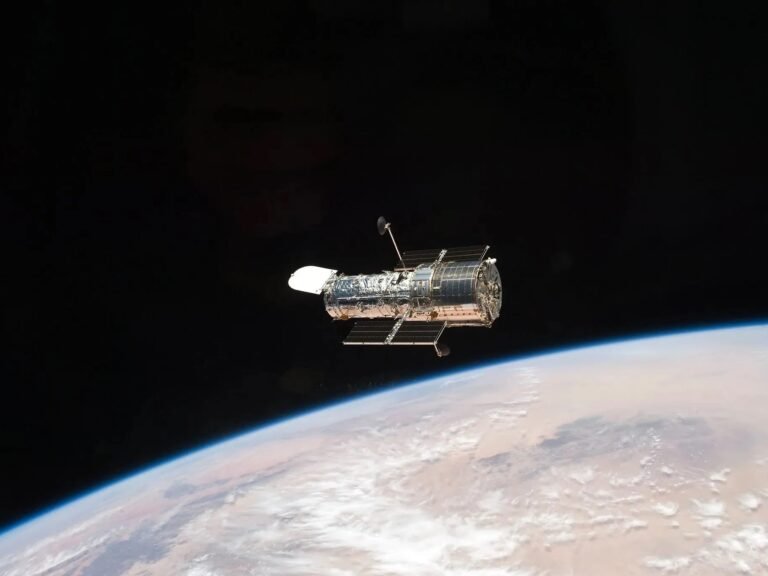
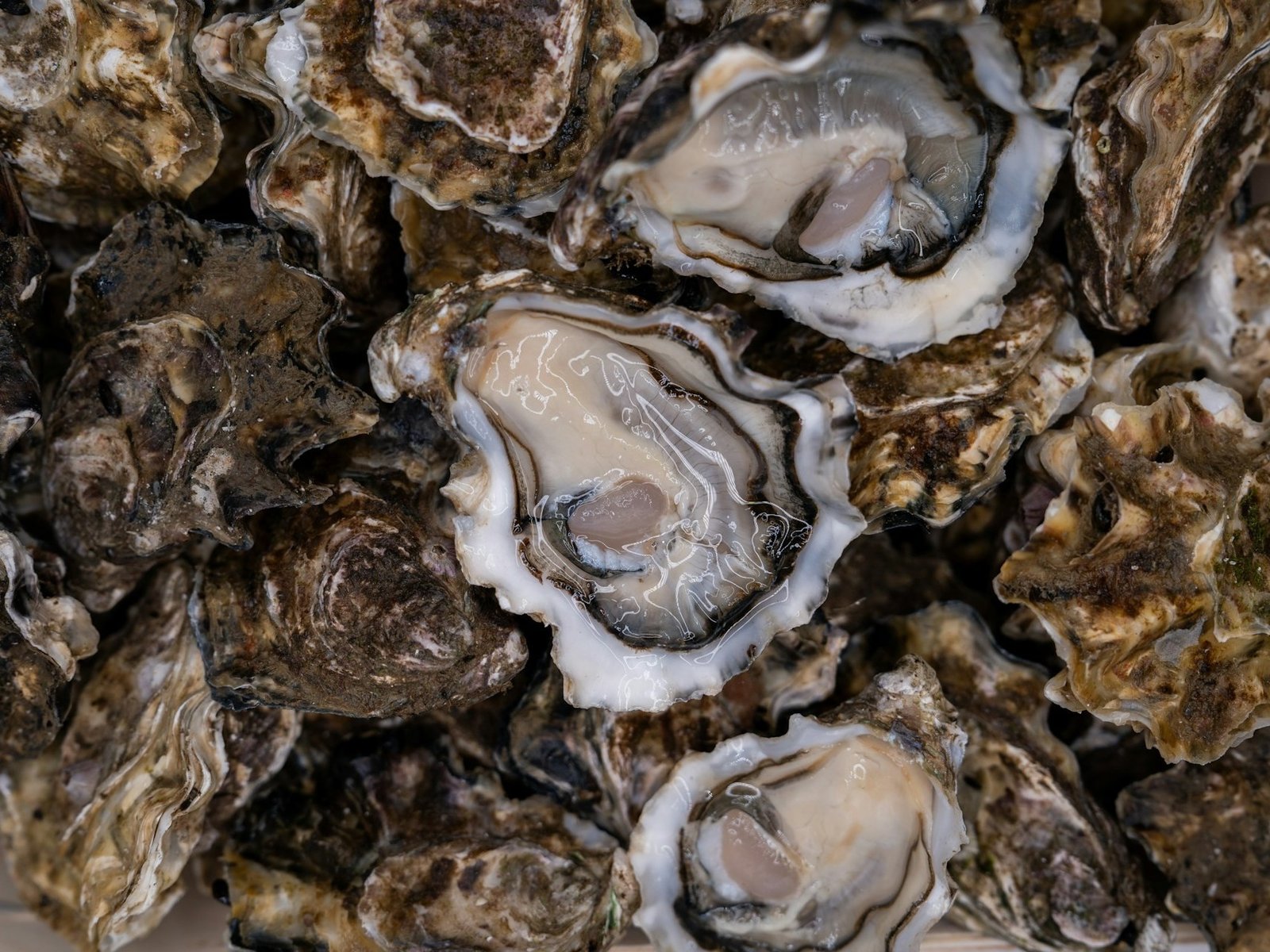
Oyster farmers are leveraging NASA satellite data to inform their farming decisions, with remarkable results. By analysing satellite imagery, farmers can identify optimal locations for their oyster farms, leading to increased yields and improved crop health.
This innovative approach has been successfully implemented by a UK-based oyster farmer, who used satellite data to choose the perfect location for his farm. Four years on, his farm remains operational, and his oysters are thriving.
The use of satellite data in oyster farming is a prime example of how technology can be harnessed to drive business growth and improve decision-making. By adopting this approach, oyster farmers can reduce costs, enhance efficiency, and ultimately contribute to the long-term sustainability of the industry.
Researchers have developed a model that utilises satellite-based data to help oyster farmers plan ahead and make informed decisions about their farming operations. This model takes into account various factors, including water quality, temperature, and other environmental conditions that can impact oyster growth and health.
The integration of satellite data into oyster farming is a significant development, with far-reaching implications for the sector. As the industry continues to evolve, it is likely that we will see increased adoption of this technology, driving growth and innovation in the years to come.
The benefits of using satellite data in oyster farming are numerous, ranging from improved crop yields to enhanced environmental monitoring. By analysing satellite imagery, farmers can quickly identify potential issues, such as water pollution or disease outbreaks, and take prompt action to mitigate their impact.
In addition to the practical applications of satellite data, this technology also has the potential to drive behavioural change within the industry. By providing farmers with access to accurate, data-driven insights, satellite technology can encourage more sustainable and responsible farming practices, ultimately contributing to the long-term health of our oceans.
As the demand for sustainable and locally sourced seafood continues to grow, the use of satellite data in oyster farming is poised to play an increasingly important role in meeting this need. With its potential to drive efficiency, reduce costs, and promote sustainable practices, this technology is an exciting development for the sector.
In conclusion, the use of NASA satellite data in oyster farming is a significant breakthrough, with the potential to transform the industry. As we look to the future, it will be exciting to see how this technology continues to evolve and shape the sector, driving growth, innovation, and sustainability in the years to come.