OPPO Find X9 Pro gamble: huge specs, but what are the compromises?
OPPO’s Flagship Push Sparks Debate Over Power and Trade-Offs
The OPPO Find X9 Pro arrives as one of the boldest flagship launches of the year, combining an oversized battery, ambitious camera hardware, and a design that pushes the limits of what a premium handset can carry. With its feature-rich approach, the device aims to stand out in a tightly contested market. Yet alongside these headline-grabbing specifications come questions about the practical compromises made to achieve them.
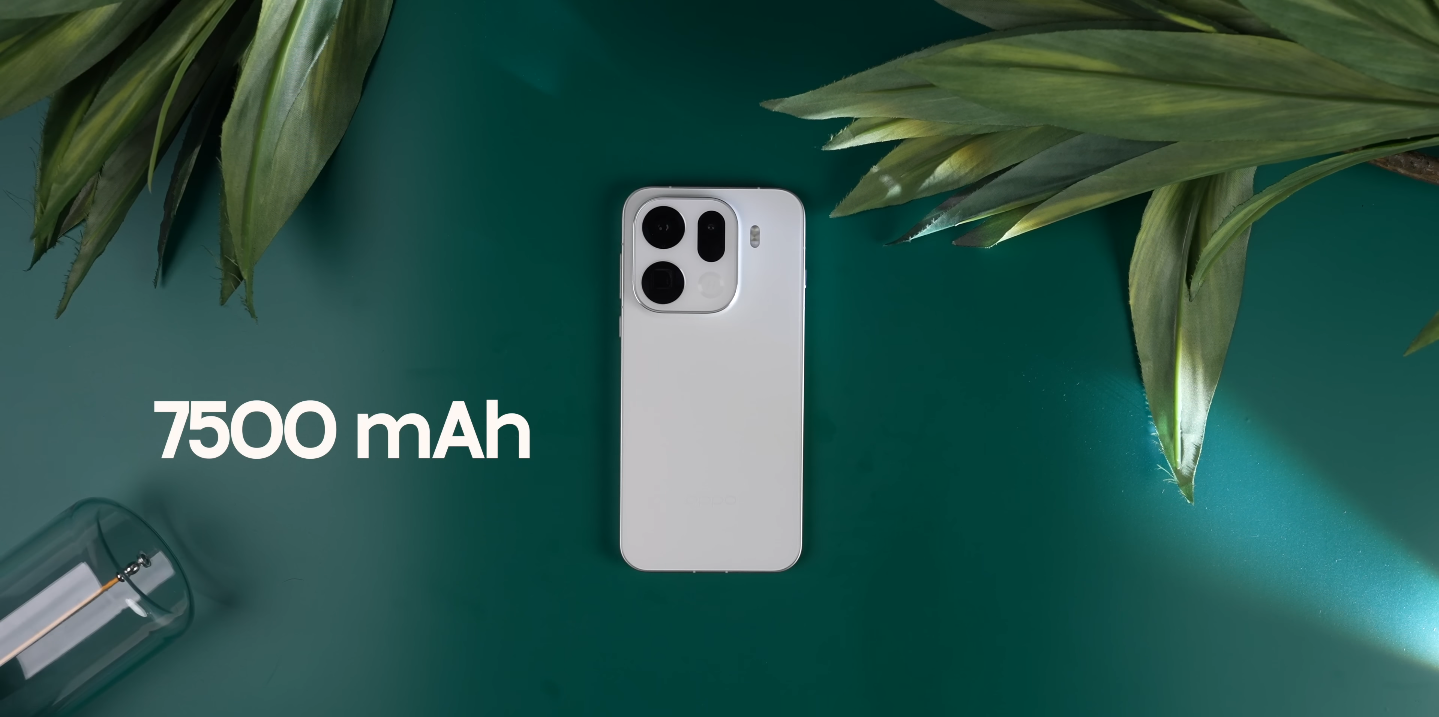
At the centre of the Find X9 Pro’s appeal is its exceptionally large battery, designed to extend usage time beyond what most flagships offer. This expansion will likely appeal to users who rely heavily on their phones throughout the day. However, fitting such a large unit inevitably affects the device’s overall profile, shaping everything from its thickness to its weight.
The camera system is another focal point, with OPPO placing significant emphasis on advanced sensors and a high-resolution telephoto lens in the Pro variant. The company is clearly targeting users who value photography versatility. Even so, bigger sensors and complex lens arrangements can introduce challenges, especially in low-light conditions and edge-to-edge consistency.

The device’s display specifications also position it firmly in flagship territory. A bright, high-refresh panel promises sharp visuals and smooth interactions, a notable advantage for media consumption and gaming. But such premium screens often require more power, making battery optimisation a crucial balancing act for overall performance and longevity.
Behind these features sits a next-generation chipset intended to deliver efficiency and speed. This processor powers multitasking, gaming, and connectivity improvements, ensuring the phone meets the demands of premium users. Yet high-performance processors also generate more heat under load, meaning effective thermal management becomes an essential part of the device’s engineering.
Charging speed is an area where expectations run high, given OPPO’s reputation for fast-charging innovations. While the Find X9 Pro offers competitive charging capabilities, it may fall short of the fastest standards available on the market. For users accustomed to rapid refills, this can be a noticeable consideration in daily use.
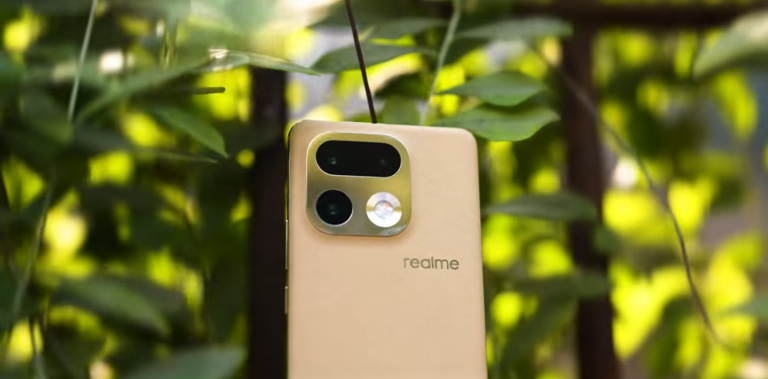
Design inevitably reflects the internal choices made. With its large battery and elaborate camera module, the Find X9 Pro takes on a more robust shape compared to some ultra-slim rivals. While the build remains premium, the added heft may not appeal to those preferring lighter or more compact phones. This shift reflects OPPO’s prioritisation of stamina and imaging over minimalism.
Pricing is another aspect that shapes user perception. Flagship-tier features naturally position the device at the higher end of the market. For buyers in regions such as the UK, this raises the question of value relative to established competitors that offer long software support cycles or broader ecosystem integration.
Global availability marks an important step for OPPO, signaling confidence in the X9 Pro’s appeal outside its home market. Still, variations in network bands, local features, and storage configurations often mean that the experience may differ slightly depending on region. Users considering import models or early purchases should pay attention to these market-specific details.
Software and update commitments remain a key factor for long-term satisfaction. While the device launches with a polished interface and strong performance, longevity depends on consistent and reliable software updates. With several competing brands extending update cycles significantly, OPPO’s stance in this area could influence purchasing decisions for future-proofing.
In the end, the Find X9 Pro illustrates a bold strategy: prioritising battery life and camera hardware to stand out in a crowded field. These decisions create a device with clear strengths but also natural trade-offs in portability, charging speed, and long-term support. For users who value endurance and imaging above all else, it offers a compelling package. Those seeking compactness, the fastest charging, or extended update horizons may wish to weigh these aspects carefully before committing.