OnePlus 15 vs Value-Brand Flagship Killers: Can the Affordable Brands Compete?
Does the ‘killer-flagship’ idea still make sense in 2025
The OnePlus 15 arrives as a genuine flagship contender: top-tier hardware, strong battery, high refresh display and impressive specs for the price. At the same time the smartphone market is full of “flagship-killer” devices from value-oriented brands that promise nearly flagship performance at much lower cost. The question for UK buyers in 2025 is: Can these value brands truly compete with the OnePlus 15?
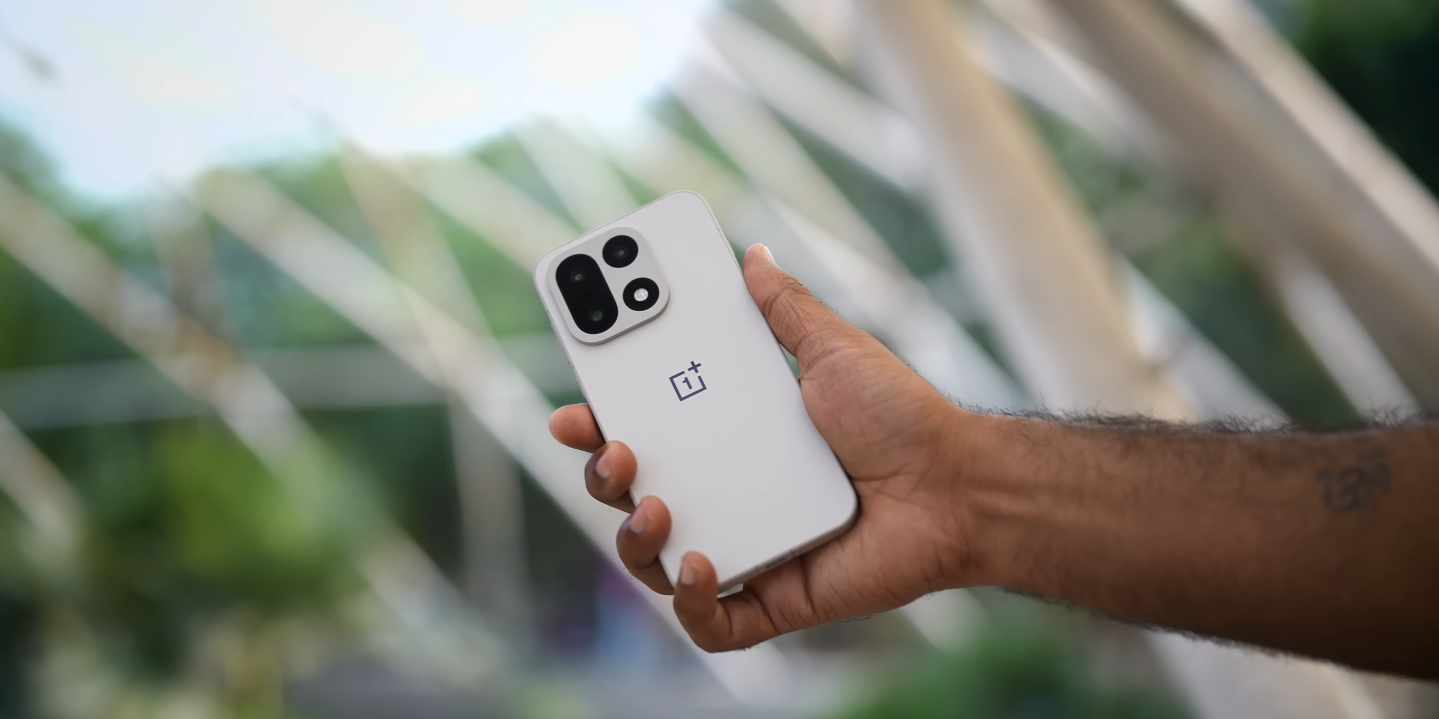
Let’s start by breaking down what the OnePlus 15 brings to the table. It’s powered by the Snapdragon 8 Elite Gen 5 chipset, features a 6.78-inch LTPO display with up to 165Hz refresh rate, and boasts a massive 7,300 mAh battery according to official OnePlus claims. Reviews highlight consistent top-tier performance across tasks. While reviewers flagged some minor drawbacks (like software polish or camera quirks) it’s clear that OnePlus is delivering flagship hardware without charging what ultra-premium brands ask.
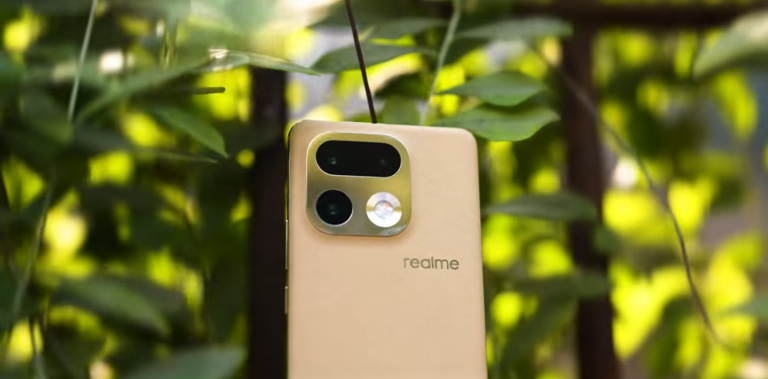
Now let’s look at the value-brand “flagship killers”. Brands such as Poco, Nothing, Realme (and others) have in recent years offered phones with near-flagship specs (powerful processors, good screens, big batteries) but at significantly lower price points. For example, one review described the Poco F7 Ultra as “one of the cheapest ways to get a flagship-level phone” while acknowledging trade-offs.

So where do they stack up – and where do the trade-offs lie?
Performance & hardware: The OnePlus 15 is ahead in pure firepower. The value phones often use slightly older or lower-tier chipsets, fewer premium materials, and may have reduced specs in areas like camera system, display quality or durability. If you demand highest possible performance and best all-round top hardware, OnePlus clearly leads.
Display, battery and charging: OnePlus nailed it with the huge battery and high refresh display, which are often areas where value phones make compromises. A flagship killer might still have a high refresh rate, but maybe not 165Hz, or a smaller battery, or slower charging. For heavy users – gamers, power users, long-day users – those differences matter.
Cameras and imaging: Value phones often scale back camera hardware or software processing. Even if they claim “50MP triple cameras”, the sensors may be smaller, optics less refined, and software tuning weaker. OnePlus in its review highlights that its camera quality is excellent “for the price” and comparable to top tier devices. Value brands may be good, but rarely match the best flagship in all lighting conditions.
Build quality, durability and extras: The OnePlus 15 offers premium materials, likely better durability certifications, refined build and perhaps extras (fast wireless charging, better IP rating, top-tier display materials). Value phones might compromise on build, omit wireless charging, use cheaper components. If you plan to keep your phone for several years, the build quality difference becomes more significant.
Software updates and long-term support: This is often a major area of difference. Flagship phones from established brands often promise longer update windows (4-5 years plus security updates). Value brands sometimes offer less lengthy support or slower update rollout. For UK buyers thinking long-term, this matters.
Value and price: Here’s where the value brands shine: you can get “nearly flagship” experience for much less money. If you’re budget-conscious, willing to accept some compromises (in camera, build, updates), a flagship killer may deliver excellent value. OnePlus positions itself as “flagship at less than ultra-premium price”, so it tries to bridge the gap between full-price flagship and value.
The decision for UK buyers: If you prioritise the absolute best hardware and longevity (performance, battery, build, camera, updates) then OnePlus 15 is a safer bet. If you’re willing to trade some of those premium bits in return for big savings, a value brand “flagship killer” could be very compelling. The key question is: which trade-offs are acceptable to you?
In short: Yes, value brands can compete—especially for many everyday users. But they rarely match the “full flagship” in every dimension. The OnePlus 15 demonstrates that you don’t necessarily have to pay ultra-premium price to get flagship level, but if you go even further down the cost ladder you need to be aware of concessions.
For most UK consumers who want strong flagship performance yet good value, the OnePlus 15 looks like a very strong “sweet spot”. If budget is the biggest constraint, then chasing a flagship killer makes sense—but be clear on the areas you’re compromising.
If you like, I can compare the OnePlus 15 with two specific “flagship killers” available in the UK right now side-by-side (specs + value) so you can see the fine details.