OnePlus 15 vs Samsung A-series: how premium features trickle down

Flagship Power Meets Mid-Range Evolution
The OnePlus 15 and Samsung’s A-series represent two distinct ends of the smartphone market — one built to push boundaries, the other designed to deliver premium value for less. Yet, with technology evolving quickly, the gap between them is narrowing. Many flagship features that once defined ultra-premium phones are now finding their way into Samsung’s A-line. Here’s how the OnePlus 15’s advancements compare to what’s trickling down the A-series for UK users.
The OnePlus 15 is the company’s showcase for performance and design. It uses Qualcomm’s latest Snapdragon 8 Elite Gen 5 processor, delivering unmatched speed, gaming power, and AI efficiency. Samsung’s A-series, by contrast, runs on Exynos or Snapdragon 7-class chips depending on region. These are powerful but tuned for balanced performance. For everyday use — streaming, messaging, or light gaming — the A-series feels smooth, but when it comes to multitasking or graphics-heavy apps, the OnePlus 15 pulls ahead decisively.
Display technology is one area where the difference has shrunk considerably. The OnePlus 15 boasts a 6.78-inch LTPO AMOLED panel with a 165Hz refresh rate and 1.5K resolution. Samsung’s upper A-series models, such as the A36 and A56, feature Super AMOLED panels with up to 120Hz refresh and brightness reaching 1,200 nits. That’s not far behind the OnePlus in everyday viewing. For UK users, both screens perform well in daylight, but OnePlus’s adaptive LTPO panel offers smoother transitions and better power management during gaming or long sessions.
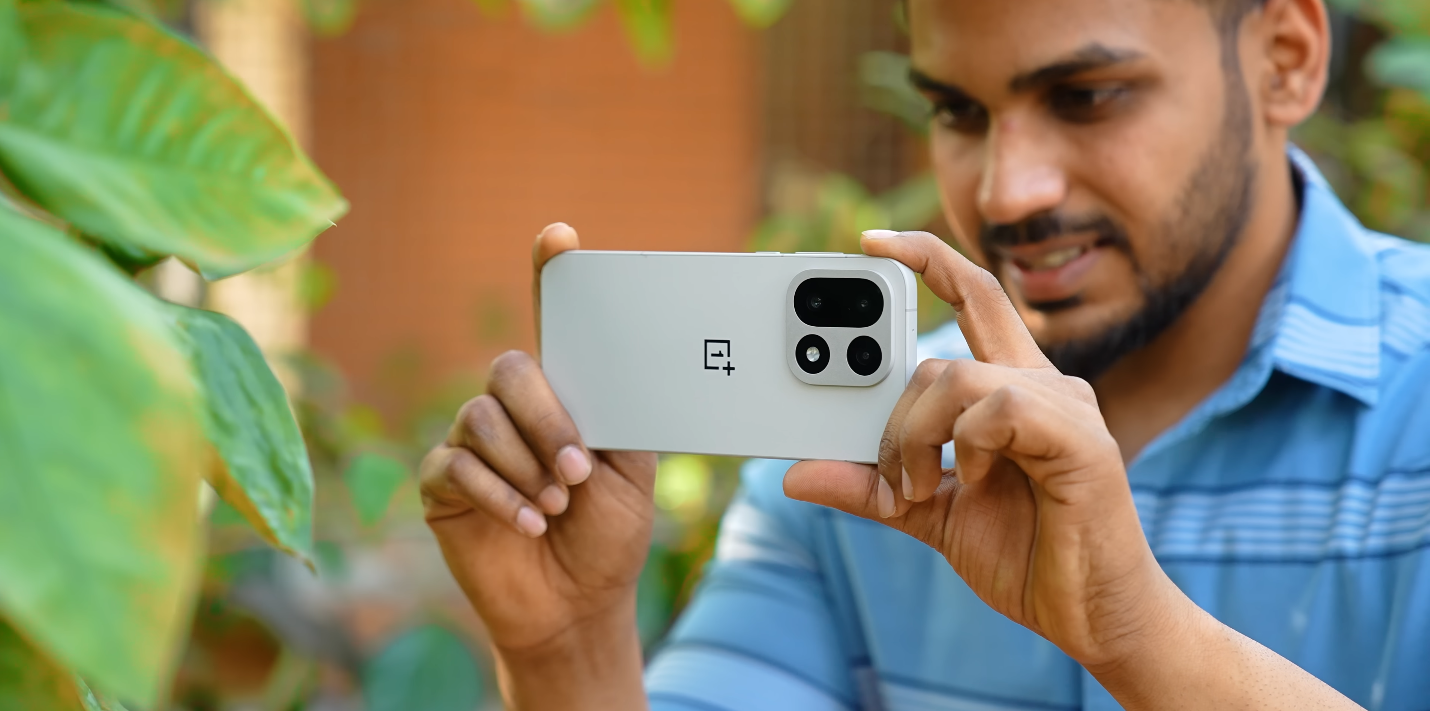
Camera systems also highlight how premium innovation spreads downward. The OnePlus 15 features a triple 50MP setup, including a periscope zoom lens and advanced imaging software. Samsung’s A-series cameras have improved dramatically, offering 50MP main sensors with optical stabilisation and strong portrait modes. However, low-light performance, zoom clarity, and colour accuracy remain better on the OnePlus, thanks to larger sensors and more advanced image processing.
Battery and charging speed reveal another key gap. The OnePlus 15 packs a 7,300mAh battery with 120W wired and 50W wireless charging — capable of a full charge in under half an hour. Samsung’s A-series phones typically use 5,000mAh batteries with 25W charging, which is perfectly fine for casual users but nowhere near as fast. For busy UK professionals or gamers who need quick top-ups, the OnePlus system is a real advantage.
Software is one area where Samsung leads. The A-series now benefits from Samsung’s extended support policy, offering up to seven years of software and security updates — matching or even surpassing most Android flagships. OnePlus provides around four years of major updates and six years of patches. For long-term ownership, Samsung’s update promise is particularly appealing to UK consumers who keep phones for several years.
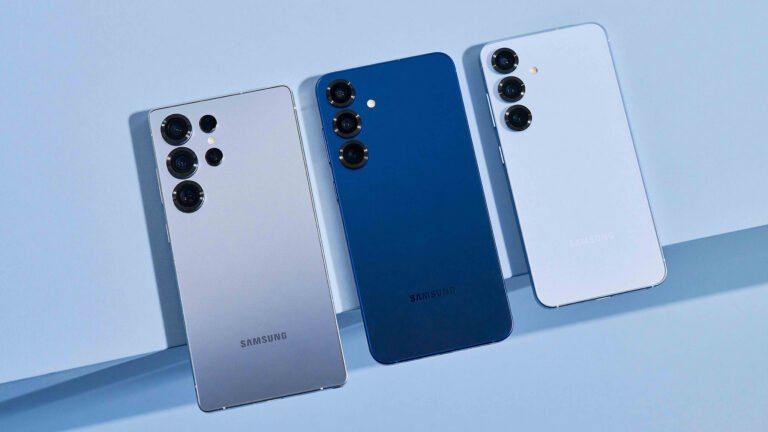
Build quality also shows how mid-range devices are catching up. The OnePlus 15 uses premium materials like glass and metal, while Samsung’s newer A-series phones are introducing aluminium frames and IP67 water resistance. They feel increasingly solid and refined in hand, closing the tactile gap between mid-range and flagship devices. However, OnePlus still has an edge with a more robust chassis and advanced cooling for high-performance tasks.
Price is where the biggest difference remains. The OnePlus 15 sits firmly in the flagship bracket, while the A-series continues to deliver strong features at a fraction of the cost. For many UK buyers, that cost-to-performance balance makes Samsung’s mid-range phones particularly tempting. They may lack top-tier power, but they deliver most of what users need — good cameras, long battery life, strong software, and polished design — without the flagship price tag.
That said, the OnePlus 15’s extra horsepower, higher refresh rate, faster charging, and advanced camera system make it hard to ignore if you demand top performance. It’s a phone built for enthusiasts and professionals who want the best experience possible without compromise. The A-series, meanwhile, reflects how quickly advanced features are becoming accessible — a reminder that you no longer need to spend flagship money to enjoy flagship comfort.
In conclusion, the OnePlus 15 showcases where technology is headed, while Samsung’s A-series shows how quickly those innovations reach mainstream users. For UK buyers, the choice depends on priorities: the OnePlus 15 for raw power and premium finish, or the A-series for exceptional everyday value. The premium experience is no longer exclusive — it’s just a matter of how much you’re willing to pay for perfection.