OnePlus 15 vs Redmi K90 Pro Max — gaming and camera battle
Gaming and Camera Face‐Off
Today’s flagship smartphone battle pits the OnePlus 15 against the Redmi K90 Pro Max in an intense duel of gaming performance and photography prowess. OnePlus continues its push into ultra-high refresh rate displays and refined imaging, while Redmi counters with aggressive value, large battery capacity and advanced zoom hardware. With UK users in mind, we explore how these two contenders stack up across sustained gaming sessions and real-world camera scenarios.
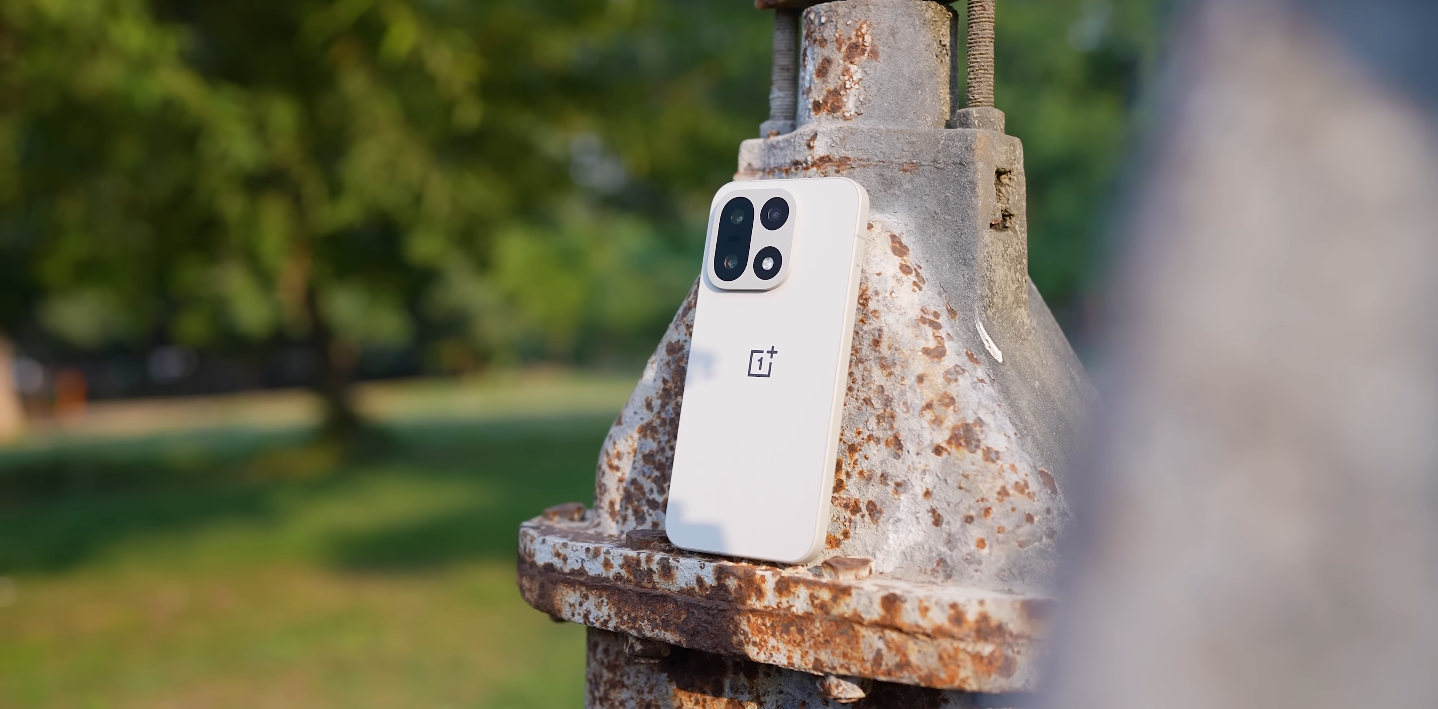
On the gaming front, the OnePlus 15 arrives with the Snapdragon 8 Elite Gen 5 chipset, a display capable of up to 165Hz refresh when gaming mode is engaged, and a 7,300 mAh battery alongside 120W wired charging and 50W wireless. These specs set the stage for top-tier performance and minimal downtime between sessions. The brand’s test data shows frame-rates well above 100fps in demanding titles under “epic” graphics settings.
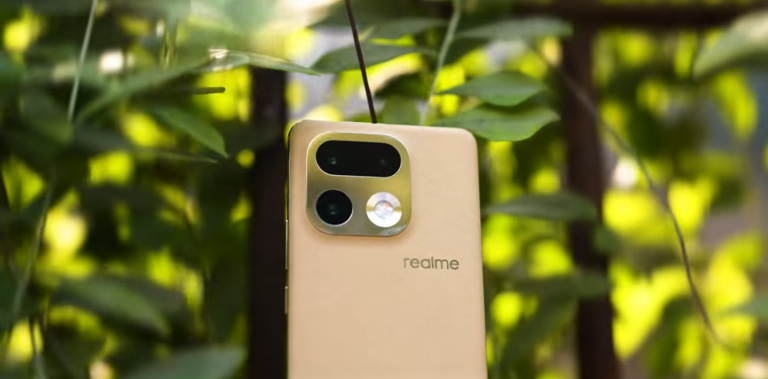
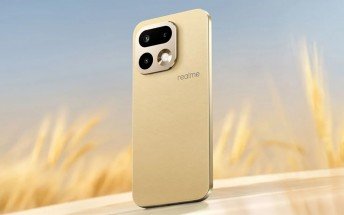
By contrast, the Redmi K90 Pro Max leans heavily into battery endurance and value. While also expected to carry a Snapdragon 8 Elite variant, it boasts a larger 7,560 mAh battery and a display around 6.9″ in size. Cooling systems and thermal sustainability are emphasised in its marketing, suggesting strong performance during long gaming marathons, though independent benchmarks are still emerging.

In practical terms, OnePlus holds a slight edge in raw gaming smoothness and refresh rate headroom thanks to its higher-end display and proven benchmark results. Meanwhile, Redmi appeals to those who game for extended hours and care more about battery life and cost-effectiveness rather than hitting extreme frame-rates.
Shifting focus to cameras, the OnePlus 15 uses a triple-50 MP sensor setup: a 50 MP main, 50 MP ultra-wide, and 50 MP telephoto with 3.5× optical zoom, combined with a 32 MP front camera and 8K video capture. This configuration signals a premium approach to photography with versatility and high resolution across focal lengths.
The Redmi K90 Pro Max counters with ambitious hardware: a large “Light Hunter 950” main sensor, a 50 MP ultra-wide lens, and a 5× optical zoom periscope setup. On paper this gives it a lead in zoom capability and detail capture at distance, which may appeal especially to photography-enthusiasts who don’t mind software processing quirks.
For everyday camera use in the UK context, OnePlus offers a more polished imaging experience out of the box, with refined colour processing and telephoto coverage that suits most users. Redmi offers a sharper zoom advantage and brute-spec value, though users might need familiarity with camera settings and trade-offs in image tuning.
Finally, considering support and regional relevance: OnePlus typically provides strong software update promises and robust service networks in key markets, which is a plus for UK buyers. Redmi delivers exceptional specs for the price, but service and update assurances may not match its rival’s premium pedigree—something to weigh carefully.
In summary: if elite gaming smoothness and a refined all-round camera system are your priority, the OnePlus 15 emerges as the stronger pick. If you prioritise zoom photography, long battery life under gaming load, and value-for-money over peak performance, the Redmi K90 Pro Max stands out. Provide your budget range and priority (gaming vs camera) and I can suggest which fits your needs best—or potentially a third contender that strikes a better balance.