OnePlus 15 vs iPhone 16 Pro — battery, display and build quality compared
Flagship Strengths Across Endurance, Screens and Materials
The OnePlus 15 and iPhone 16 Pro take very different approaches to flagship design, especially when comparing battery life, display technology and overall build quality. For UK users deciding between Android’s latest power move and Apple’s newest premium compact flagship, these three areas reveal clear strengths on both sides. This comparison focuses on how each device performs in real daily use across the UK.
Battery life is one of the biggest differences between the two. The OnePlus 15 arrives with a notably large battery capacity and a design aimed at delivering longer endurance even under heavier use. Day-to-day testing shows the phone easily exceeding a full day, with enough charge to continue into the next morning for many users. This makes it a strong option for commuters, travellers and those who use navigation, streaming and social apps throughout the day.
The iPhone 16 Pro offers dependable battery life but takes a more efficiency-driven approach rather than competing on raw capacity. In typical UK usage—mixing messaging, browsing, video playback and moderate photography—it lasts comfortably through a full day but rarely stretches significantly beyond that. Most users will still recharge nightly, especially if they rely heavily on camera or gaming apps. Its battery performance is stable and predictable, though without the extended endurance seen on the OnePlus 15.
Display differences highlight another clear contrast. The OnePlus 15 features a large, high-refresh screen designed for smooth animations and gaming. The combination of a spacious panel and fluid motion makes it ideal for users who appreciate larger displays for entertainment, multitasking and immersive content. Its brightness levels and high refresh rate also improve visibility and responsiveness during outdoor use on brighter days common across UK seasons.
The iPhone 16 Pro uses a smaller but highly refined display that prioritises colour accuracy, brightness and ecosystem optimisation. For users who prefer a compact device that remains comfortable in one hand, the iPhone’s display strikes a practical balance. It still offers a fast refresh rate and excellent outdoor readability, making it well suited for everyday UK conditions including bright winter light or cloudy afternoons. The overall experience feels polished, especially within Apple’s app environment.
Build quality is another area where the two devices distinguish themselves clearly. The iPhone 16 Pro continues Apple’s premium design focus with high-grade materials such as a refined frame and strengthened glass. This contributes to a sturdy feel and premium finish that UK users familiar with Apple’s design language will immediately recognise. It also helps long-term durability and supports strong resale value across the region.
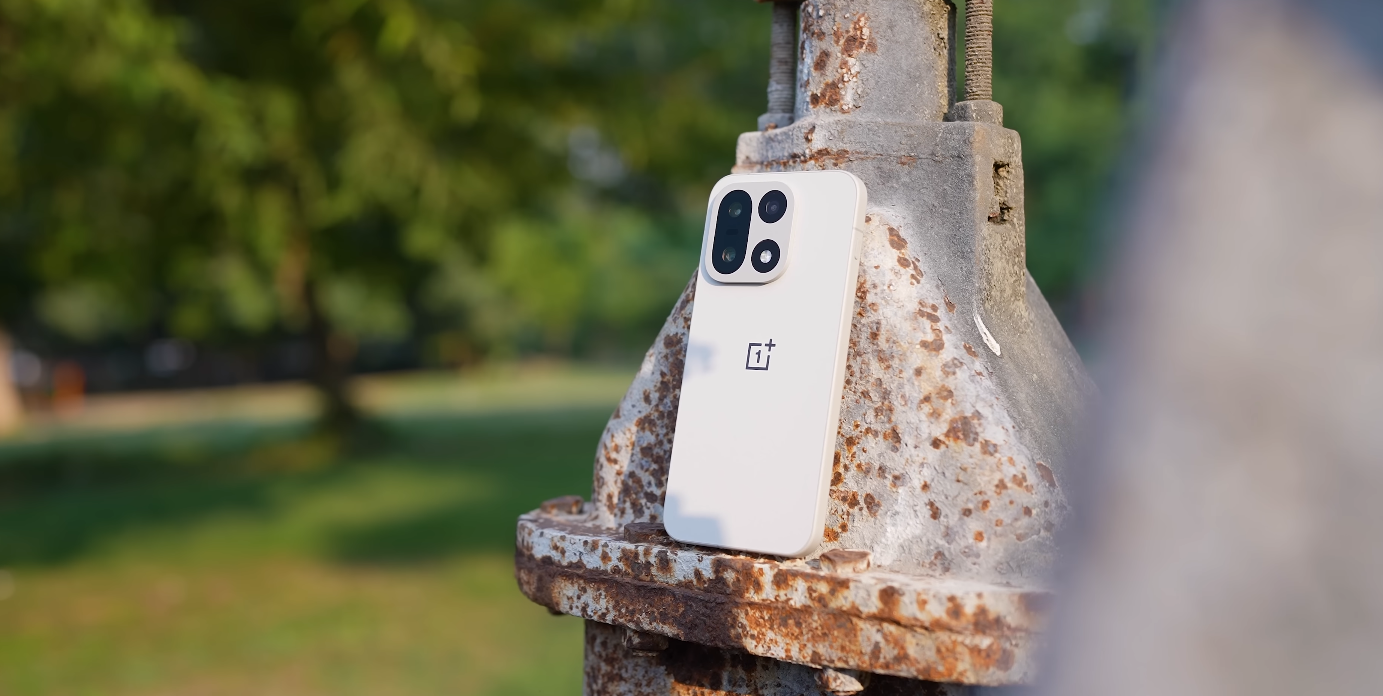
The OnePlus 15 delivers its own premium design, with solid materials and a modern flagship feel, though the emphasis is more on performance-orientated construction than luxury detailing. The device remains robust and well built, but its aesthetic and material choices are geared towards technical capability rather than matching the iPhone’s boutique finish. For users who value engineering and battery innovation over prestige materials, the OnePlus design will be a better fit.
Practical UK use also highlights differences in handling. The larger footprint of the OnePlus 15 suits users who enjoy spacious screens but may feel less compact in daily commuting or one-hand operation. The iPhone’s smaller size and lighter form make it more pocket-friendly and comfortable for extended handheld use, especially for those who prioritise convenience over screen size.
Charging behaviour further separates the two phones. The OnePlus 15 supports extremely fast wired charging, making top-ups quick enough to eliminate battery anxiety for most users. This is particularly useful for those with busy schedules who prefer shorter charging windows. The iPhone 16 Pro maintains Apple’s more conservative charging speeds, which focus on battery health rather than speed, and remain adequate for overnight charging routines common among UK users.
Both devices bring strong durability, but their philosophies differ. The iPhone’s materials and refined build give it a premium assurance that appeals to those who keep their devices for several years. The OnePlus 15 emphasises functional durability paired with high performance, giving it a practical advantage for users relying heavily on battery and display power.
In the end, the OnePlus 15 is the better choice for UK buyers who prioritise long battery life, a larger and smoother display and fast charging convenience. The iPhone 16 Pro suits those who value compact design, premium materials, consistent software support and a polished everyday experience. Both flagships excel, but the right choice depends on whether endurance and screen size or build refinement and ecosystem integration matter more.