OnePlus 15 durability check: “Sand Storm” design with aerospace coating
How durable is OnePlus’s new Sand Storm flagship?
The OnePlus 15 has introduced a bold new design philosophy with its “Sand Storm” edition, focusing on durability as much as aesthetics. The model features an aerospace-grade coating and unique materials intended to withstand daily wear, offering both toughness and premium feel. This marks one of the brand’s most significant design upgrades to date.
At the heart of this durability promise lies a new Micro-Arc Oxidation (MAO) coating. This advanced treatment uses a high-voltage plasma process that transforms the aluminium frame into a ceramic-like surface. The result is a shell that OnePlus claims is 3.4 times harder than standard aluminium and 1.3 times tougher than titanium, ensuring the phone can endure scratches and minor impacts more effectively.
This coating is also environmentally friendly, using fewer chemical processes and producing less waste compared to traditional anodising methods. It’s a subtle shift that aligns with the growing demand for sustainable production while giving the phone a stronger, more refined finish.
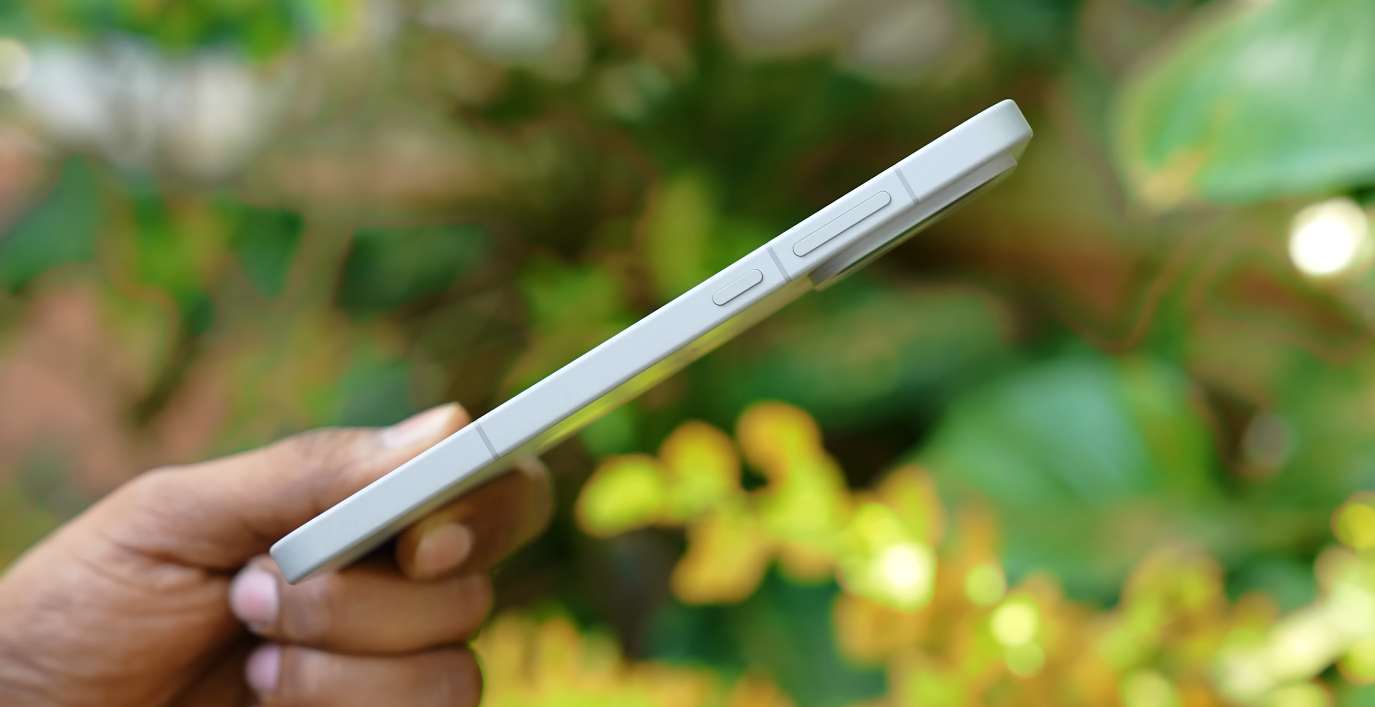
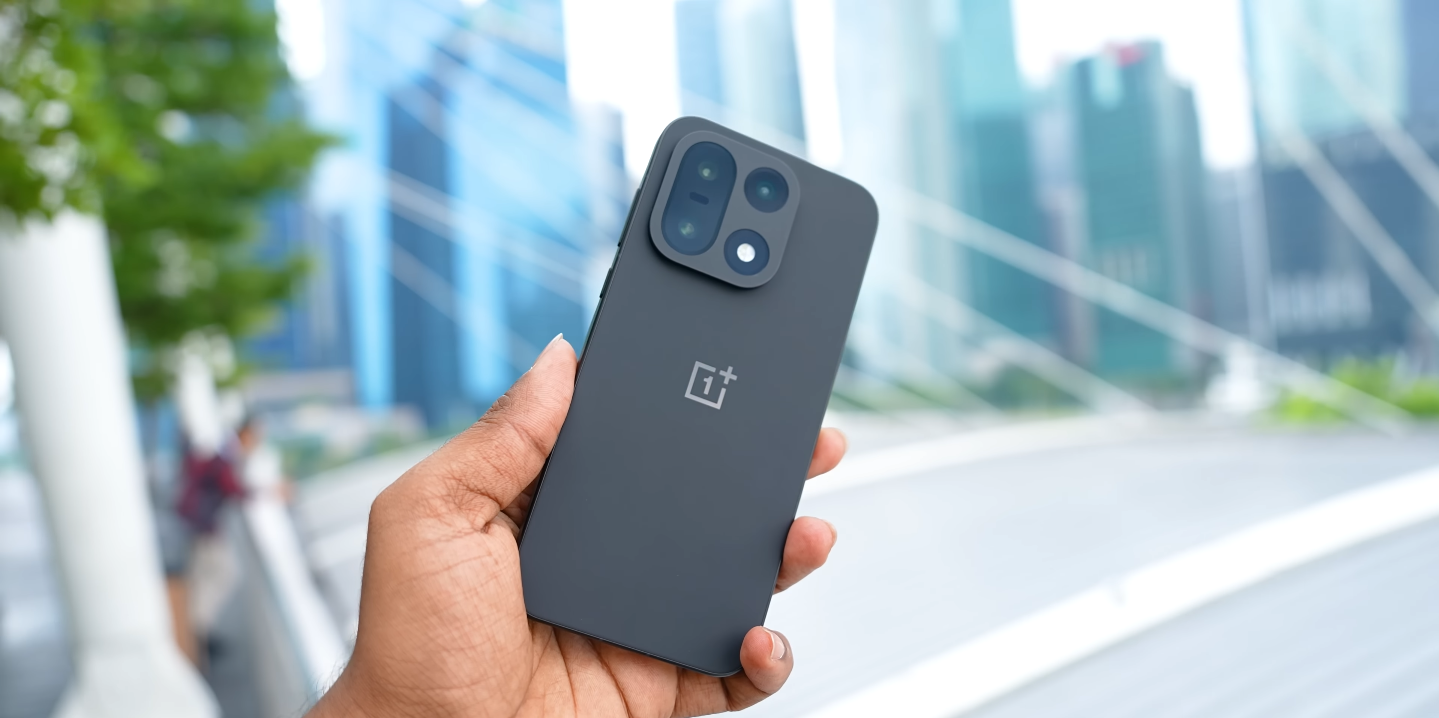
The Sand Storm edition stands out with its distinctive texture. OnePlus has chosen a fibreglass back panel combined with a soft matte finish that offers a comfortable grip without attracting fingerprints. This choice not only enhances handling but also adds an element of practicality for those who prefer to use their phone without a case.
Durability tests from early reviewers show promising results. The frame resists scratches from metal keys and coins, and the back retains its colour even after prolonged exposure to sunlight and heat. These improvements make the OnePlus 15 better suited to everyday outdoor use, from long commutes to travel photography.
However, it’s not an indestructible device. The display, though protected by Gorilla Glass Armor, remains vulnerable to sharp drops, and water resistance is still rated at IP68 — solid but not at the level of fully rugged phones. Users should still consider protective accessories for maximum longevity.
The aerospace-grade coating particularly benefits the camera housing, an area that often faces scuffs from table surfaces and pocket friction. OnePlus claims this treatment can keep the camera module free from micro-abrasions even after months of use, maintaining clarity and visual appeal.
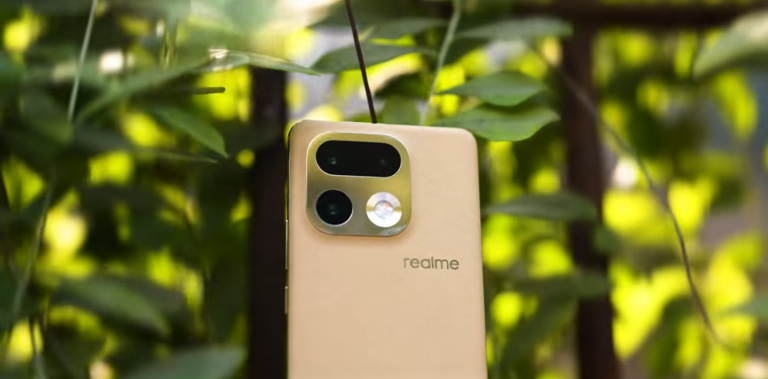
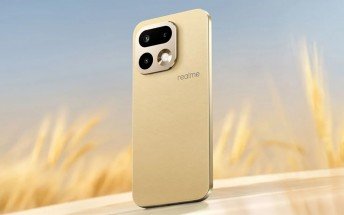
Beyond durability, the Sand Storm variant also showcases OnePlus’s attention to design. The golden dune-inspired tone gives the phone a distinctive character, distinguishing it from typical glossy finishes. The tactile feel of the matte surface mirrors the sensation of brushed sandstone — a nostalgic nod to early OnePlus devices, now reborn in a more refined form.
From a practical perspective, the combination of lightweight fibreglass and hardened metal keeps the phone’s weight at just over 210 grams. Despite its stronger frame, it doesn’t feel bulky, and the 8.1 mm thickness makes it manageable for one-handed use — a balance that many large-battery flagships fail to strike.
For UK users, where conditions vary from damp weather to dry commutes, this design could prove particularly beneficial. The coating’s moisture resistance and scratch protection mean fewer cosmetic blemishes over time, allowing the phone to maintain its premium look without constant maintenance.
In conclusion, the OnePlus 15 Sand Storm edition is more than just a colour variant — it’s a statement of engineering intent. With its aerospace-grade coating, fibreglass back, and resilient finish, it’s built to handle the rigours of everyday life while retaining its elegance. It may not be a rugged phone in the traditional sense, but for most UK users, it offers one of the toughest and most refined builds available in 2025.