Nothing Phone (3a) Lite vs folding phones: flat flagship vs compact flex
Comparing classic design with modern foldable versatility
The Nothing Phone (3a) Lite represents the familiar flat-screen approach, while folding phones offer a flexible alternative designed for users who want new ways to interact with their devices. Each style appeals to different needs, and understanding these differences helps make the right choice for everyday UK use.
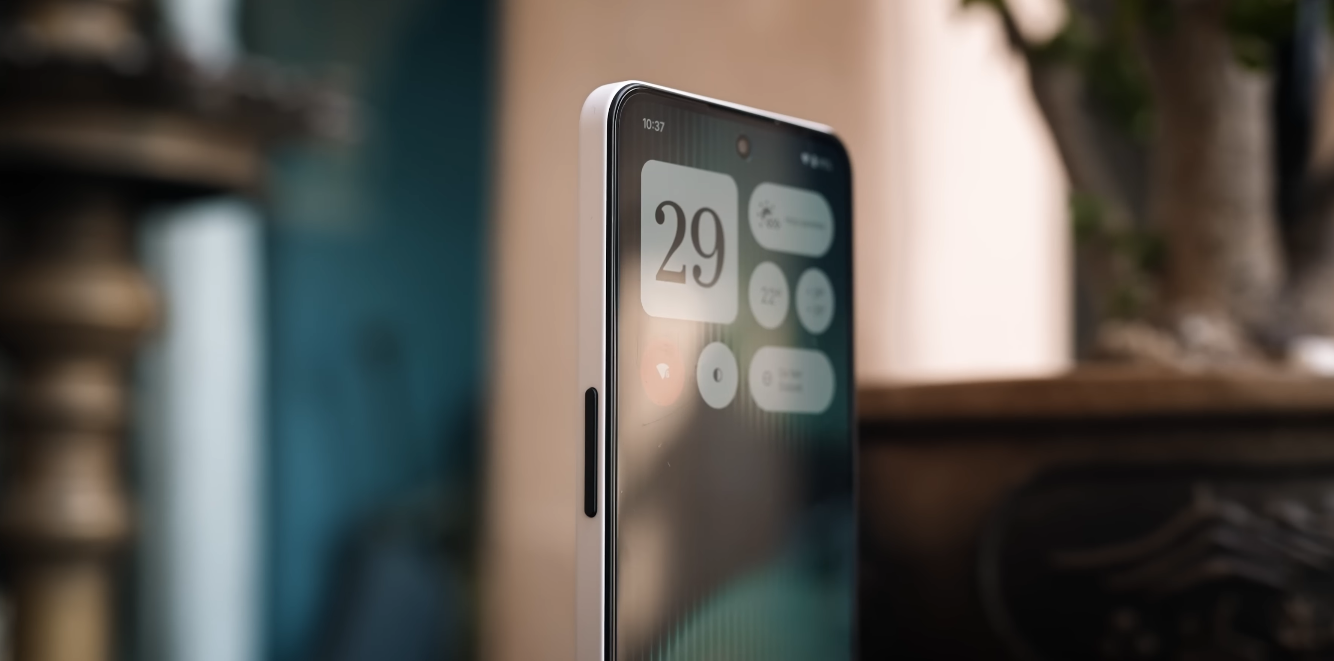
The flat design of the Nothing Phone (3a) Lite is simple, lightweight, and easy to handle. Its slim body and straightforward layout make it practical for one-hand use, pocketability, and long-term reliability. In contrast, folding phones focus on novelty, offering a compact form when closed and a larger display when unfolded. This dual design is ideal for users who enjoy a tablet-like experience without carrying extra bulk.
Durability plays a big role in the comparison. The Nothing Phone (3a) Lite benefits from having no hinge or moving parts, reducing the risk of mechanical wear. Foldable devices rely heavily on flexible screens and hinge systems, which require more care and may show signs of fatigue over time. For users who prefer fuss-free reliability, the flat design feels more reassuring.
Price is another clear distinction. The Nothing Phone (3a) Lite sits in a much more accessible range, offering a balanced mix of performance and value. Folding phones, however, typically cost significantly more due to their complex engineering and premium positioning. This makes them a choice for users who prioritise innovation over affordability.
When it comes to the viewing experience, foldables excel with their larger unfolded screens. They offer more space for multitasking, reading, or watching videos, giving a mini-tablet feel in certain scenarios. The Nothing Phone (3a) Lite sticks to a single display, but its straightforward setup is perfectly suited for day-to-day apps, social browsing, and general entertainment without the extra complexity.
Performance expectations also differ. Foldables often come with higher-end chipsets, making them better suited for demanding tasks. The Nothing Phone (3a) Lite focuses on efficient and smooth operation for typical usage. While not a performance powerhouse, it delivers enough speed for everyday routines without the high cost associated with foldables.
Portability is another point to consider. Foldables can be compact when closed, but they often feel thicker and heavier. The Nothing Phone (3a) Lite remains consistently slim and easy to carry, making it ideal for users who prioritise comfort and simplicity during commutes or long days out.
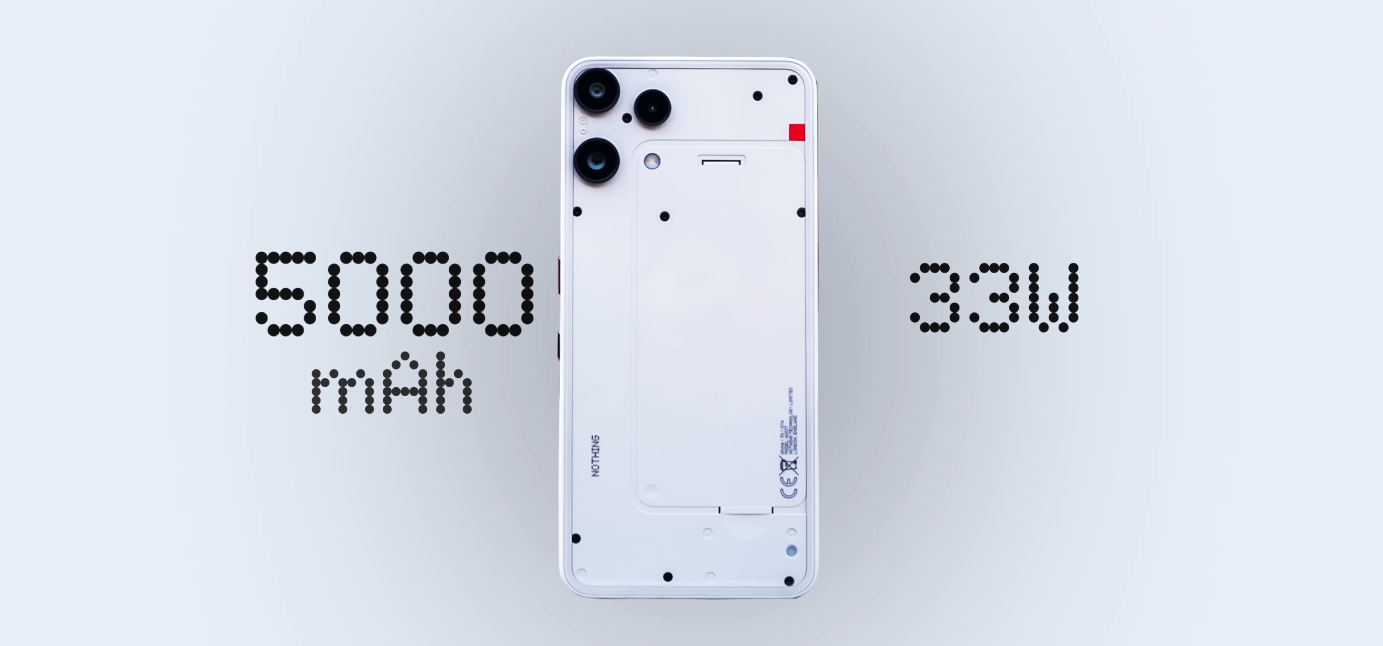
Battery life can favour the flat phone as well. Without powering two screen states or complex hinge components, the Nothing Phone (3a) Lite generally offers more predictable endurance. Foldables, depending on size and brightness demands, may drain faster when used in full-screen mode. For users wanting long-lasting reliability, the simpler design has practical advantages.
The user interface on folding phones adapts to the larger canvas, allowing split-screen layouts and creative multitasking. This is great for productivity-minded users. Meanwhile, the Nothing Phone (3a) Lite keeps navigation straightforward, ensuring smooth control without extra learning curves or custom gestures required by foldables.
Aesthetic preference also matters. The Nothing Phone (3a) Lite carries a clean, transparent-inspired design that fits modern minimalism. Foldables, on the other hand, appeal to those who enjoy futuristic tech and standout looks. Each design language targets a different type of user personality.
Overall, the choice depends on what you value more: practicality or innovation. The Nothing Phone (3a) Lite is ideal for users seeking a reliable, affordable, and straightforward smartphone. Foldable devices cater to those who want flexibility, larger screens, and cutting-edge design. Both categories offer compelling benefits, but your daily habits will ultimately decide which approach suits you best.