Nothing Phone (3a) Lite camera zoom & ultra-wide test: real-world results
How the Phone Performs in Everyday Photography
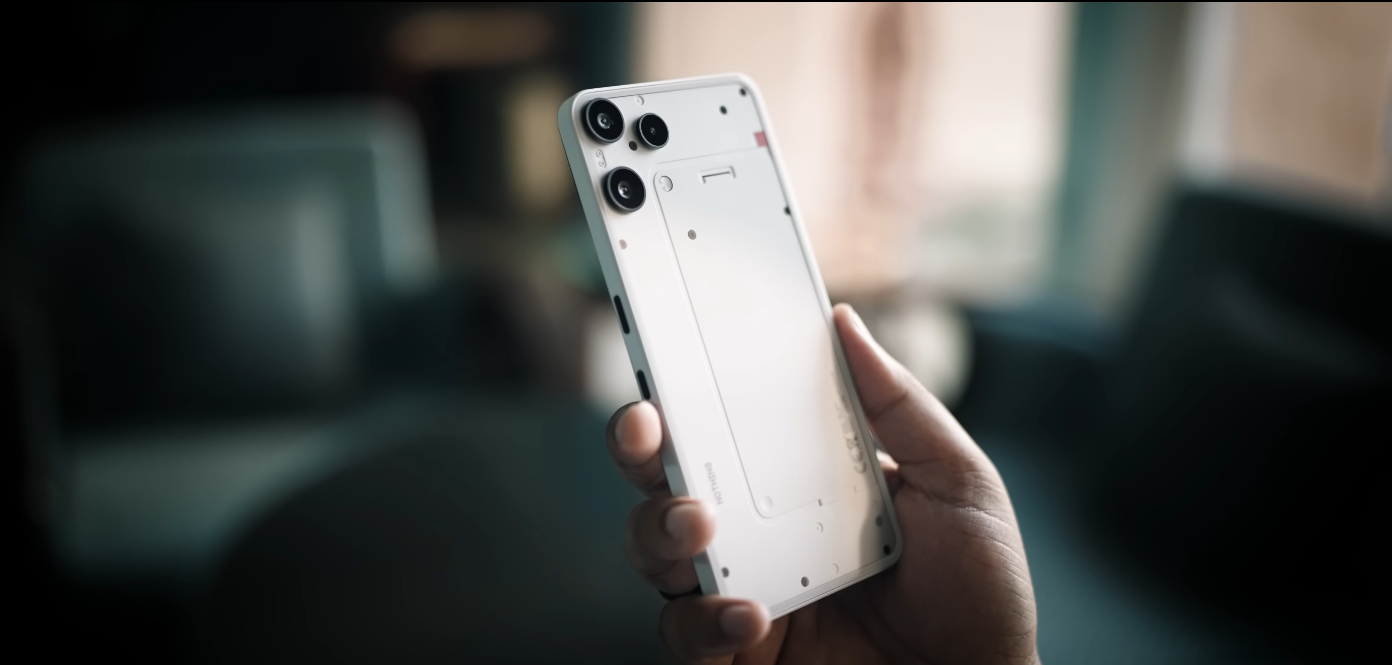
The Nothing Phone (3a) Lite brings a budget-friendly camera setup, and many UK buyers want to know how well its ultra-wide lens and zoom capabilities perform in day-to-day situations. The phone features a 50MP main camera supported by an 8MP ultra-wide sensor, and while the hardware is modest, real-world results reveal a clear picture of its strengths and limitations across different lighting conditions.
The ultra-wide camera performs best in bright daylight, where colours appear natural and the field of view captures large scenes without major distortion. Outdoor shots of buildings, landscapes and group images tend to look clean enough for social media and everyday sharing. However, detail levels remain limited due to the sensor size, and this becomes more noticeable when examining the edges of the frame.
Low-light performance shows where the ultra-wide sensor begins to struggle. In dim indoor settings or evening shots, the sensor loses sharpness and noise becomes more visible. UK buyers who often take photos in pubs, low-lit rooms or late evenings may notice these limitations quickly. The main camera handles such conditions better, but the ultra-wide’s quality drop is significant in these scenarios.
The phone’s zoom system relies entirely on digital cropping from its main 50MP sensor, with a cleaner 2x crop available for closer framing. At 2x, the results are surprisingly decent for a budget device, offering usable detail for casual photography. Beyond that, however, the quality falls off fast. At higher zoom levels, images become softer, grainier and less reliable, making it clear that the phone is not designed for long-range photography.
Daylight zoom performance is generally acceptable when staying within the 2x range. UK users taking pictures of signs, buildings or pets from a short distance will find the results adequate. But for distant subjects or action shots, the digital zoom struggles to retain clarity. This is typical for phones in this price range, which lack dedicated telephoto hardware.
Switching between the main and ultra-wide lenses can also reveal slight colour and exposure differences. While most casual users won’t find this distracting, more attentive photographers may notice small shifts in tone or brightness. These variations become more pronounced in challenging lighting, where the ultra-wide tends to underperform compared to the main sensor.
In everyday use, the main camera remains the most reliable option on the Nothing Phone (3a) Lite. It handles most conditions well enough, producing balanced colours and respectable detail for a phone in its price bracket. The ultra-wide works as a useful secondary tool for wider scenes, while the zoom is best saved for quick, simple shots rather than anything requiring fine detail.
UK buyers using the camera primarily for travel photos, outdoor scenes or social media posts will likely be satisfied with what the Nothing Phone (3a) Lite can deliver. It provides enough flexibility to handle common shooting situations, as long as expectations stay within the limits of a budget camera system.
Those looking for stronger low-light performance or more reliable zoom capabilities may need to explore phones in a slightly higher price range. But for its cost, the Nothing Phone (3a) Lite delivers practical, everyday results that suit most casual users in the UK who want a stylish phone with a capable primary camera.