Moto G67 Power’s night mode photography tested
Night shots deliver beyond expectations
The Moto G67 Power has shown impressive night-mode capabilities for a mid-range device, giving users more confidence when shooting after dusk. In hands-on tests, the phone delivered surprisingly clean results in low-light settings, showing that the larger camera sensor and processing tweaks are making an impact. The improvements suggest Motorola has paid attention to real-world photography rather than just boasting specs.
In low-light daylight-to-dusk transitions, the night-mode processing did a good job of stabilising exposure and reducing noise. Shadow details were retained better than many peers at this price point. Textures in darker zones remained visible and subject outlines stayed clear, offering more usable images for social sharing or casual use. The phone didn’t consistently match flagship-level clarity, but for the class it held up well.
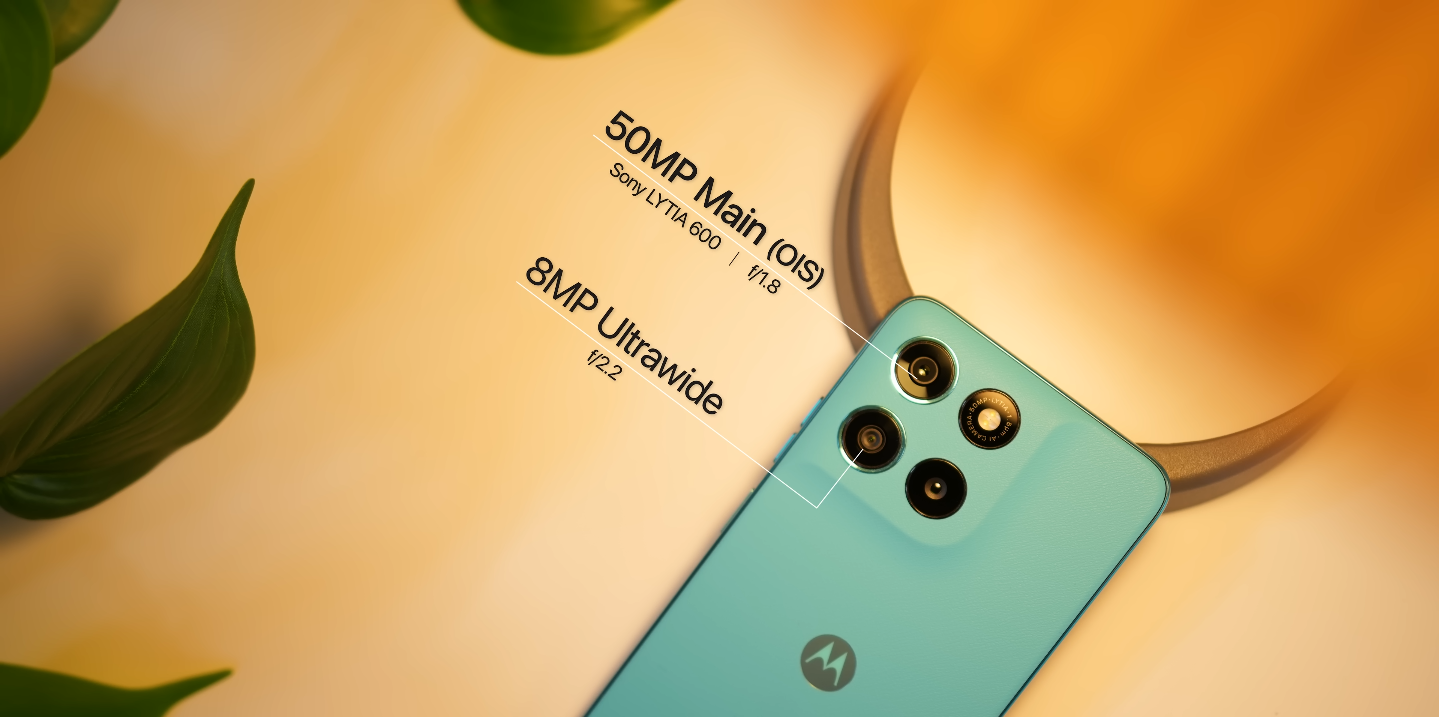
Indoor night scenes were handled with more care than expected. The main 50-megapixel sensor stepped up, delivering good colour fidelity and balanced tone across faces and background objects. The phone avoided the overly bright “HDR dumping” look and instead preserved mood in darker areas. While the ultra-wide lens is less capable in very dim settings, for the primary camera the night mode is a meaningful upgrade over basic auto mode.

For users who enjoy portrait shots of friends in the evening, the Moto G67 Power’s night mode helped a lot. Edge detection and subject isolation remained sharp under artificial lighting, and the background blur while slightly softened didn’t look unnatural. Skin tones were on the warmer side but remained believable and flattering under low-light indoor bulbs. These results raise the device’s appeal for casual photography-focused buyers.
There are trade-offs. In extremely low light (for example, a street scene with minimal ambient lighting), detail loss is more apparent than in premium devices. Some images showed minor softness when zoomed or closely inspected. Also, the ultra-wide lens still struggles with clarity and noise in night mode compared to the main camera. Buyers should temper expectations for wide-angle night shots, but the core camera delivers more than usable output.
Video recording at night also improved with the phone’s support for 4K recording and electronic stabilisation. Hand-held nighttime video looks steady enough for casual clips and social posts. Colour shifts under mixed lighting were modest and the overall impression is that the phone handles evening content creation much better than many rivals in its range.
Overall, the night mode on the Moto G67 Power brings real value. For users who shoot photos at night or under low indoor lighting and don’t want to carry a bulky camera, this phone offers a solution that punches above its price class. The imaging improvements make it especially well-suited for everyday users wanting better after-dark snaps without spending a premium.
In short, if you’re in the market for a mid-ranger that does more than just day photography, the Moto G67 Power’s night mode is a strong reason to consider it. It doesn’t eliminate all low-light limitations, but it narrows the gap significantly and gives users a more dependable camera when the lights go down.