
Live: Budget 2025 — extra taxes and EV mileage charge announced by Reeves
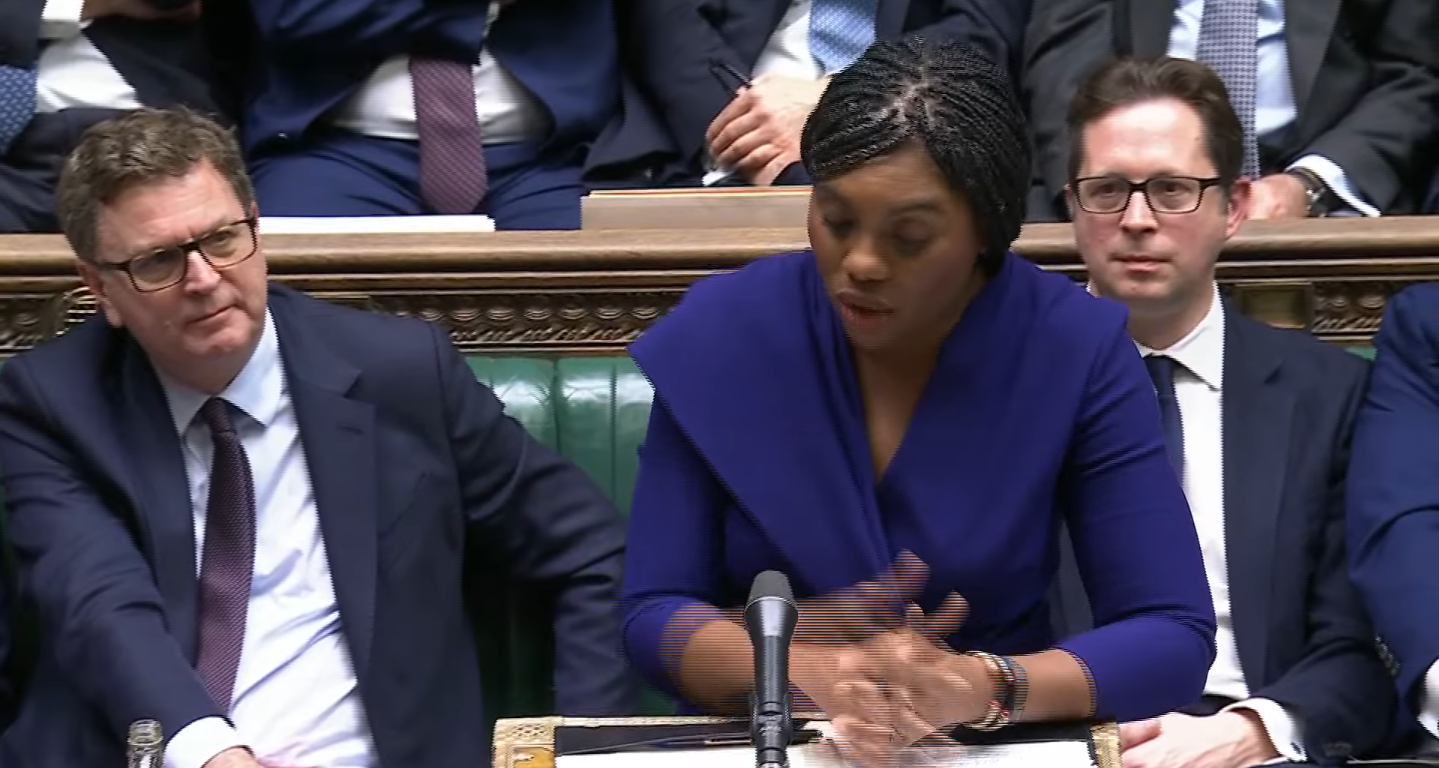
Reeves Unveils Major Tax Moves as EV Drivers Face New Mileage Charge
The 2025 Budget has delivered one of the most wide-reaching fiscal shifts the UK has seen in years, with Chancellor Rachel Reeves outlining a series of tax measures aimed at stabilising the nation’s finances. Her statement confirmed substantial revenue-raising steps that will affect households, businesses and motorists across the country. The changes reflect a push to reshape long-term funding while managing pressure on public services.
A core part of the announcement involves a continuation of frozen income-tax thresholds. This measure ensures that as wages rise, more individuals gradually move into higher brackets. Although the Chancellor avoided raising headline rates, the freeze still results in additional tax paid by millions. It is framed as a fair approach to boosting government income without directly altering the basic or higher tax rates.
Reeves also confirmed several targeted tax increases across savings, dividends and investment income. These changes contribute to a broader strategy to adjust how wealth and returns are taxed. For many middle-income earners and investors, the impact will be noticeable over the coming financial years as allowances tighten and contributions rise. The government argues these shifts are necessary to correct long-standing imbalances.
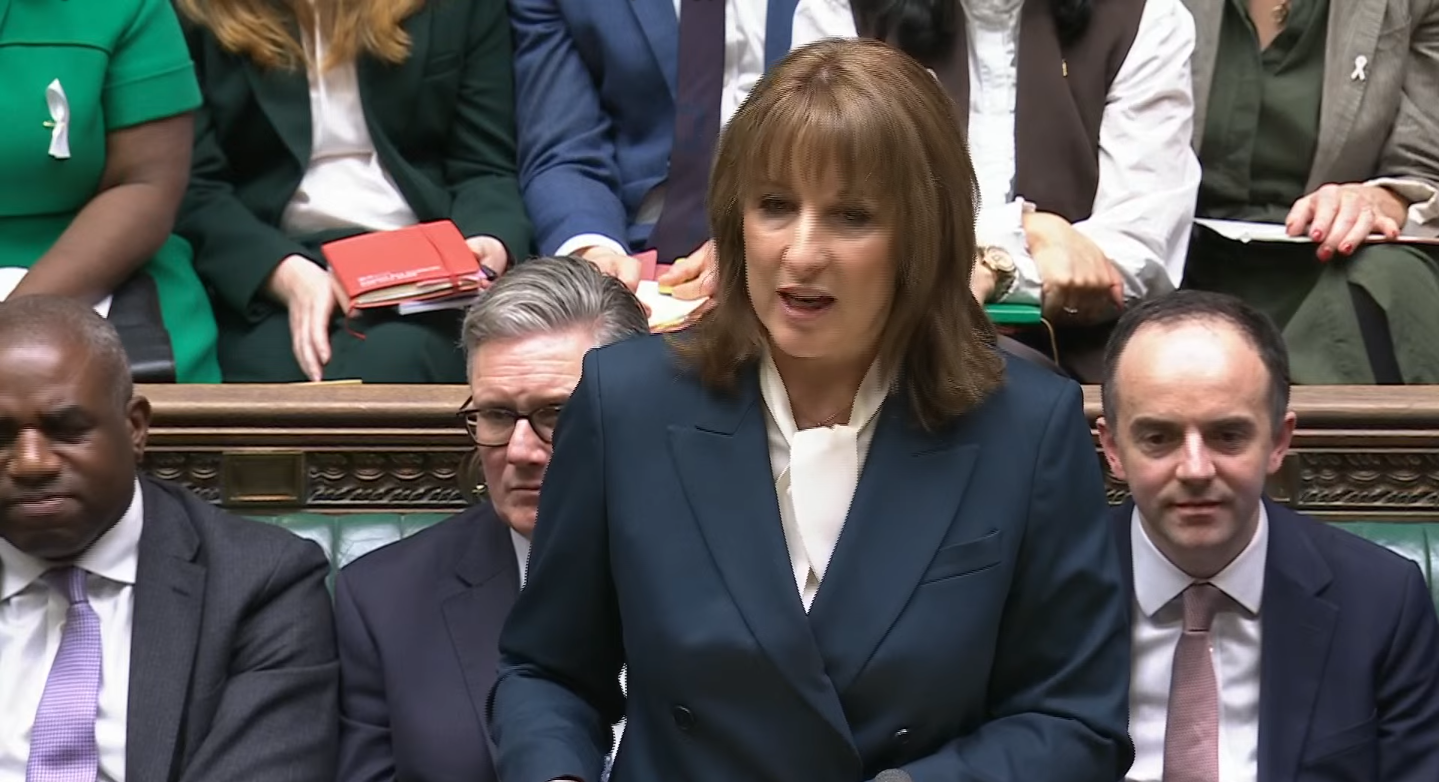
Property taxation received particular attention, with high-value homes set for tougher treatment. Owners of properties worth £2 million or more will face new charges from the coming years, marking a significant change in how wealth tied up in property is taxed. The adjustment is expected to generate considerable revenue and is seen by ministers as part of a progressive approach to asset-based taxation.
The Budget also delivered news for families, including the removal of the two-child benefit cap. This marks one of the most substantial welfare changes in recent times, providing additional support to households with more than two children. Reeves described the measure as essential for reducing child poverty and offering stability for families facing rising living costs.
One of the most headline-grabbing announcements was the new mileage-based tax for electric vehicles. Starting in 2028, EV drivers will pay a set fee per mile, with fully electric cars facing a higher rate than plug-in hybrids. The decision reflects the need to replace falling fuel-duty revenue as motorists shift away from petrol and diesel. While the Chancellor noted the importance of fairness, many drivers are worried about rising running costs.
Industry groups reacted swiftly, warning the change could undermine momentum in the switch to cleaner transport. Previous incentives have helped boost EV adoption, and critics argue the new charge could slow progress if not balanced with continued investment in infrastructure. Ministers countered that road usage must be taxed consistently regardless of vehicle type, especially as electric-car ownership becomes mainstream.
Further tax increases came in areas such as gambling duties and adjustments to consumption-related levies. These steps form part of the wider strategy to broaden the tax base and ensure different forms of spending contribute fairly. Businesses in affected sectors have expressed concern about the cost implications, while the Treasury maintains the changes are vital for sustainable budgeting.
The Budget also set out commitments to invest in public services, including funding for the NHS, education and local authorities. Reeves positioned her tax package as a route to stabilise services after years of financial strain. She argued that without decisive action, the UK would face mounting debt pressures and further limitations on service delivery in the years ahead.
Economists have noted that this Budget marks one of the largest revenue-raising efforts in recent memory. While the measures aim to balance the books, the cumulative effect could be felt strongly by households already managing high living costs. The challenge for the government will be achieving fiscal recovery without causing further pressure on families, workers and businesses.
As the full implications unfold, the 2025 Budget is set to influence everything from take-home pay to transport choices. Reeves’ package reflects a substantial shift toward long-term revenue generation, marking a pivotal moment for the UK’s financial direction. The combination of tax reforms and targeted support sets the stage for a year of significant economic adjustment.