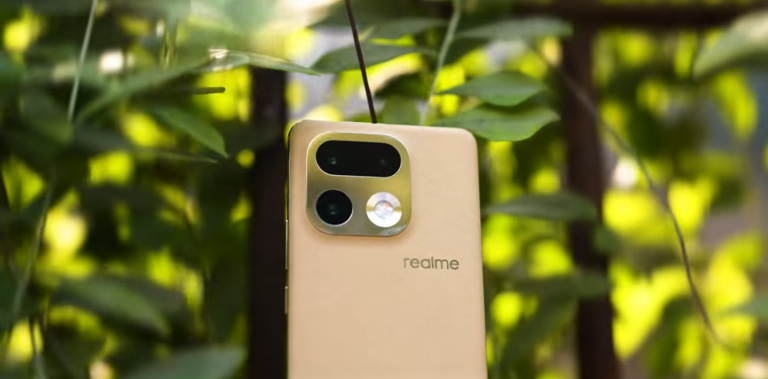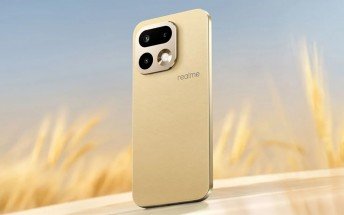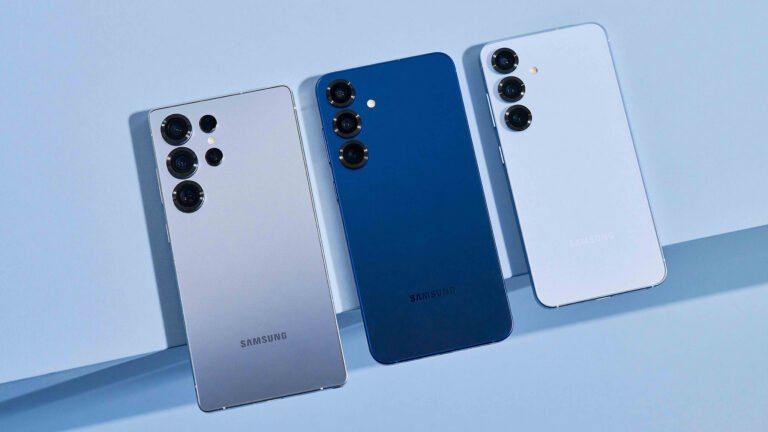
LAVA Agni 4 vs other handsets typically recommended in UK budget lists
How the LAVA Agni 4 Compares With the UK’s Most Popular Budget Phones
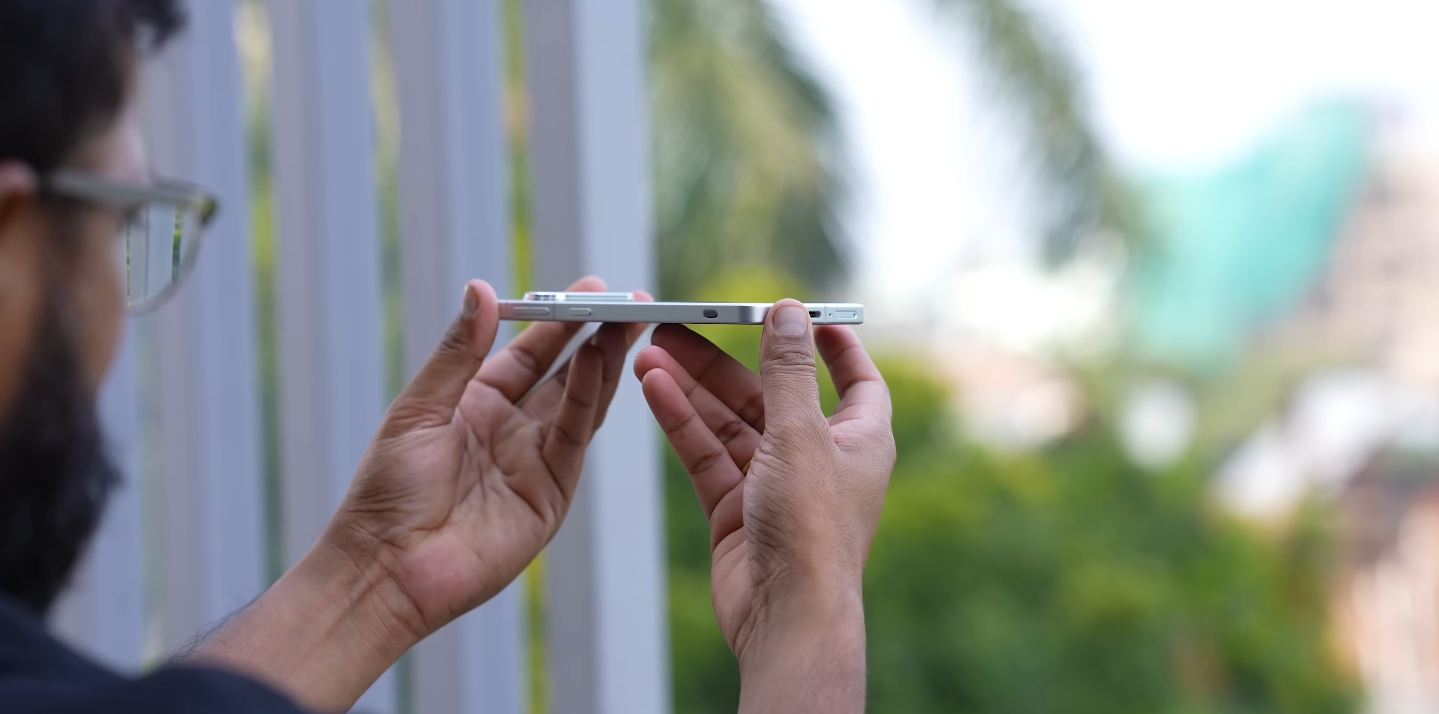
The LAVA Agni 4 enters the competitive budget and mid-range landscape with a specification sheet that stands out immediately. It brings a 6.67-inch AMOLED display with a 1.5K resolution and a 120Hz refresh rate, offering a visual experience that rivals or exceeds many phones typically highlighted in UK budget recommendations. Paired with a modern design featuring a metal frame and glass back, it appears far more premium than what buyers often expect in this category.
Powering the device is a 4nm chipset tuned for efficiency, along with 8GB of RAM and up to 256GB of internal storage. This combination gives the Agni 4 a significant performance advantage over several budget-tier alternatives, especially those that still rely on older mid-range processors. For everyday social media use, casual gaming and multitasking, the Agni 4 demonstrates the kind of responsiveness that tech-focused buyers will notice immediately.
One of the most attractive attributes is the 66W fast charging capability. This feature is uncommon in phones that typically appear in UK budget lists, where charging speeds often remain between 15W and 33W. For users who rely on their phone throughout long commutes or shift-based routines, the fast-charging advantage could offer a major quality-of-life improvement, especially when paired with the 5,000mAh battery.
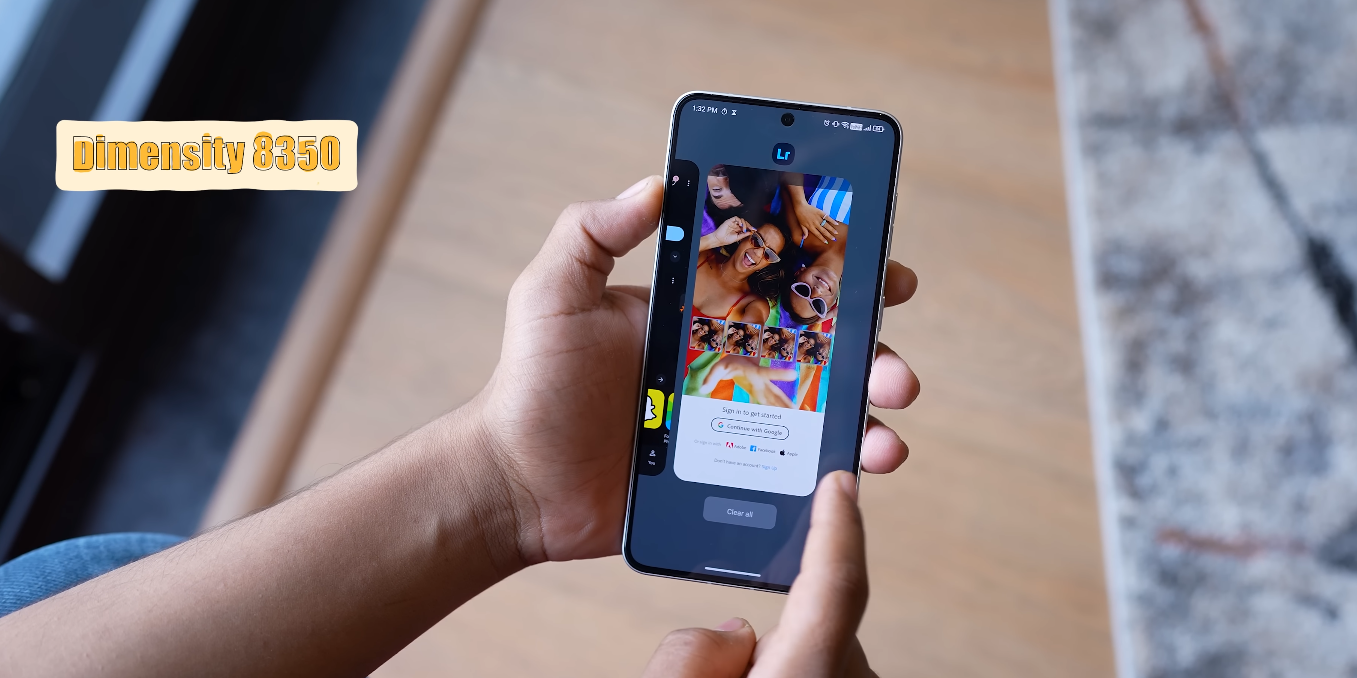
When comparing the Agni 4 to UK-favourite alternatives such as the Google Pixel 9a, Samsung Galaxy A-series models, Xiaomi Redmi Note devices and mid-range Nothing handsets, a common theme arises: the Agni 4 provides more raw hardware for its expected price tier. While rivals may focus more heavily on software experience, ecosystem and long-term support, the Agni 4 offers more immediate value for buyers who want high specifications without stretching their budget higher.
Camera performance is led by a 50MP main sensor supported by optical image stabilisation, helping the phone deliver steady daytime photography. This places it competitively among mid-range devices, though some UK favourites still outperform it through superior software tuning, especially in low-light environments. Even so, the Agni 4’s camera hardware offers enough capability to satisfy users who primarily take photos outdoors or in well-lit situations.
Design quality is another area where the Agni 4 defies expectations. In a segment where plastic builds remain common, its metal-and-glass construction offers a more premium feel that could appeal strongly to UK buyers seeking a more refined device. The slim bezels, structured frame and polished detailing elevate it beyond many traditional budget recommendations, potentially giving it a stylistic advantage on the shelves.
Despite its strengths, the Agni 4 faces the same challenge that any newcomer brand encounters in the UK: support and long-term reliability. While its hardware specifications may exceed those of competing devices, established brands maintain an advantage in software longevity, customer service coverage and resale confidence. For many UK consumers, these factors weigh heavily in the final buying decision, especially for phones intended to last three to four years.
Another key consideration is its official availability. While the Agni 4 has launched in selected international markets, its UK release timeline and pricing will be crucial. Without clear regional support and warranty assurances, even strong specifications can struggle to attract mainstream adoption. The success of the Agni 4 in the UK will depend heavily on how the brand handles these practical factors when entering the market.
Nevertheless, the device’s pricing strategy could be its strongest weapon. If positioned competitively below well-known mid-range options, the Agni 4 may offer better value for performance-focused buyers who prioritise display quality, fast charging and modern hardware over brand reputation. In this situation, it has the potential to become a genuine disruptor in the UK budget segment.
In summary, the LAVA Agni 4 compares impressively with many smartphones typically recommended in UK budget lists. Its hardware is stronger, its design more premium and its charging capabilities noticeably faster than many alternatives. Whether it ultimately becomes a favourite will depend on pricing, regional support and long-term software commitments, but on specifications alone, it has enough to challenge the established choices that dominate UK buyer guides.