LAVA Agni 4 vs new releases expected in UK tech circles
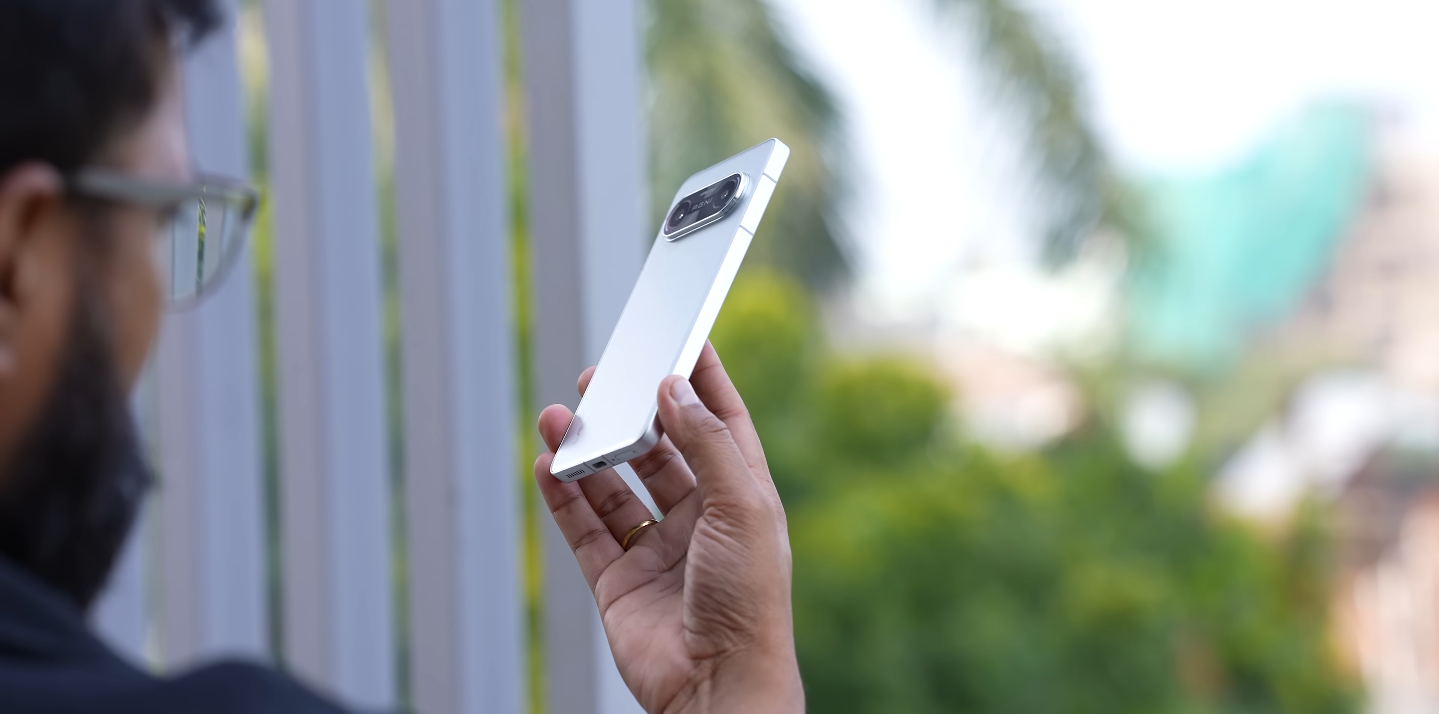
How the Agni 4 stacks up against the freshest UK competitors
The LAVA Agni 4 is positioning itself as a major contender in the UK market thanks to its combination of advanced hardware and expected strong value. With a 4nm-class MediaTek chipset, a 120Hz high-resolution display, and UFS 4.0 storage, it challenges many new phones launched or expected in the UK mid-range segment. Its specs suggest it could outperform some competitors while remaining accessible to price-conscious buyers.
When looking at performance under everyday workloads, the Agni 4 demonstrates smooth multitasking across social apps, productivity tools and streaming services. In UK comparisons, this places it on par with new releases from brands such as Samsung and Google in terms of raw responsiveness. For users switching between work, leisure and communication throughout the day, that fluidity is a real asset.
Gaming performance in the Agni 4 also holds up well against rivals. Popular titles ran smoothly, without excessive heat or sudden frame-drops, which is particularly relevant for new UK releases that emphasise gaming features. While flagship-tier models may still deliver slightly better GPU optimisation, the Agni 4’s balance of performance and value makes it a stand-out choice in its class.
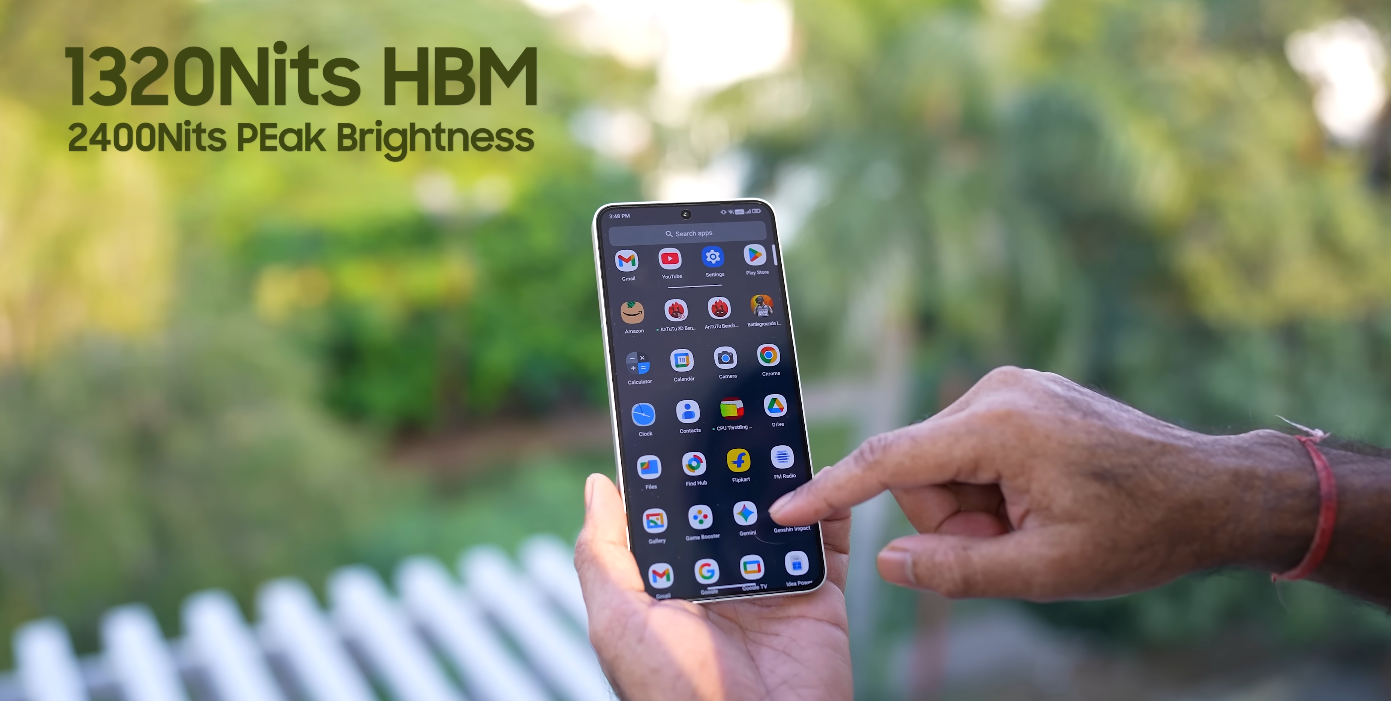
In terms of display and media, the Agni 4 leverages its 1.5K resolution and 120Hz refresh rate to offer a premium feel. Competing devices in the UK often settle for 1080p or lower refresh rates in the mid-range budget. Users who stream shows, browse visually rich content or use split-screen multitasking will notice the difference in smoothness and clarity on the Agni 4.
Software ecosystem and camera experience are two areas where the new release competitors pull ahead in some respects. For instance, Google’s new phones remain leaders in camera processing and long-term updates in the UK market. The Agni 4 delivers capable sensors and good performance, but users might find the camera experience slightly behind premium rivals, especially for complex photography or long update lifecycles.
Support infrastructure and brand presence are also key in the UK context. Established brands guarantee wide carrier compatibility, spare parts availability, and well-known software-update policies. For the Agni 4 to fully match these upcoming releases, its UK rollout strategy, future updates and repair network will be important considerations.
Value-wise, if the Agni 4 hits the expected price point within the UK mid-range tier, it will bring high-end features at a less-premium cost. Many new releases are priced higher to cover brand and ecosystem features. This gives the Agni 4 a compelling edge for buyers prioritising modern hardware and strong specs over name-brand prestige.
Network compatibility, especially 5G support across UK bands, will be another decisive factor. While the upcoming releases from mainstream brands often guarantee full compatibility, the Agni 4 must ensure it meets the same standards for UK users who travel or rely on seamless connectivity between home and mobile networks.
In summary, the LAVA Agni 4 compares favourably with the new releases trending in the UK tech scene. It may not yet carry the brand cachet or ecosystem support of the biggest names, but on hardware, value and performance it challenges them strongly. For UK buyers seeking modern features without the premium attached to flagship names, the Agni 4 is emerging as a very interesting contender.