LAVA Agni 4 night mode camera review
Night Performance Analysis of Lava Agni 4
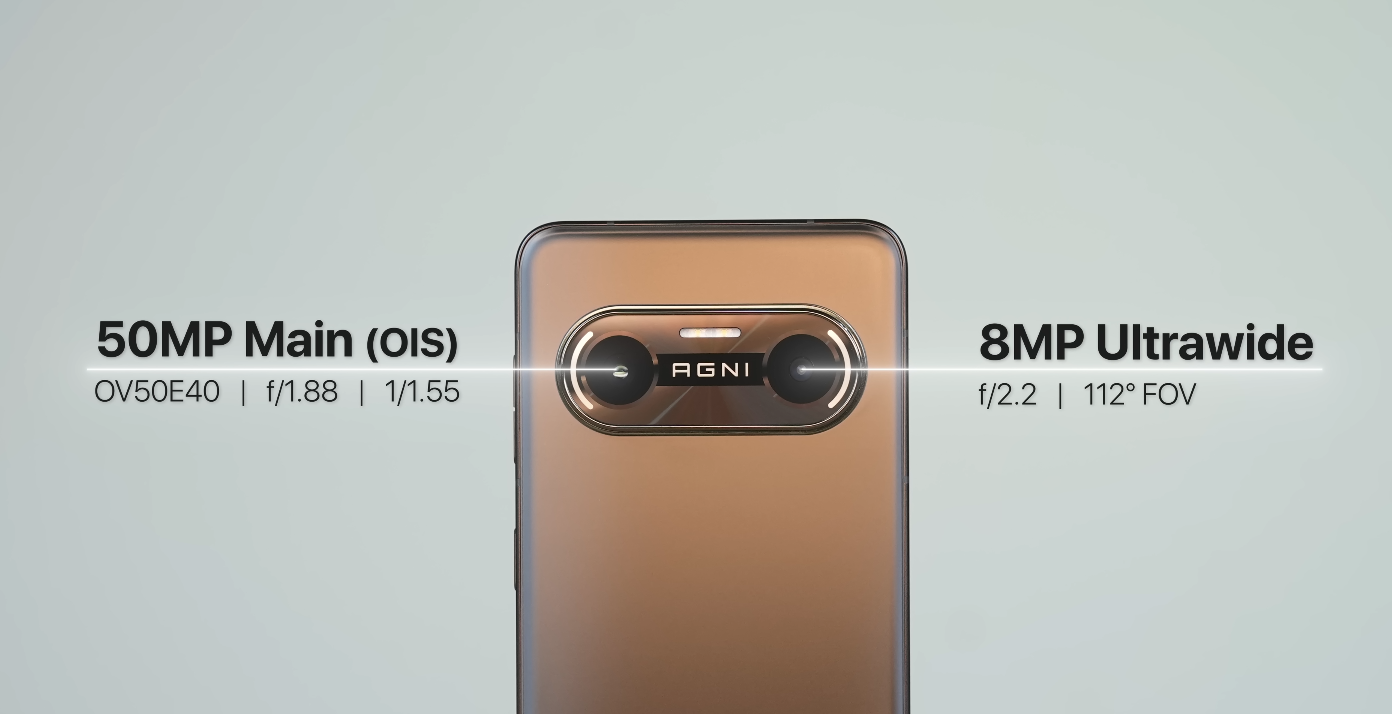
The Lava Agni 4 arrives as a mid-range smartphone that places strong emphasis on imaging, and its night-mode performance has become a key talking point among early reviewers. With a 50-megapixel primary sensor supported by Optical Image Stabilisation, the device shows clear intent to offer dependable low-light capability. In practical use, this combination helps maintain steadiness and preserves more detail than many phones in its segment.
Review testing shows that the main camera performs reliably in dim environments, producing images with controlled noise and solid contrast. Night Mode enhances exposure without dramatically altering the natural look of a scene, which many users appreciate. The sensor’s ability to capture usable detail in street lighting and indoor ambient light settings sets it apart from basic mid-tier models.
However, the phone’s performance changes noticeably when switching to the 8-megapixel ultra-wide lens. This secondary camera struggles to maintain sharpness and introduces softness across darker areas of a frame. While acceptable for casual use, the ultra-wide lens does not match the clarity or low-light stability offered by the primary sensor, particularly in scenes with minimal illumination.

Colour accuracy varies in low-light scenarios, with some reviewers noting slight tint shifts under artificial lighting. These variations appear most commonly in indoor scenes where mixed light sources influence the sensor’s processing. The main camera manages such conditions better than the ultra-wide, though both show occasional inconsistencies in white balance during darker captures.
In extremely low-light environments, the Agni 4’s Night Mode still faces the challenges typical of mid-range hardware. Users may notice increased grain, reduced fine detail and occasional blown-out highlights when bright light sources appear within an otherwise dark frame. These limitations are expected but worth noting for buyers seeking advanced night photography features.
Despite these weaknesses, the phone stands competitively within its price category. The inclusion of OIS on a mid-range device remains a highlight, giving the Agni 4 an advantage in low-light video and handheld photography. The ability to record 4K video at 60fps on the main camera further expands its usability for users who value performance across both stills and motion.
When compared with similarly priced smartphones, the Agni 4’s main camera holds up well, especially in scenes that rely heavily on stabilisation. While some rivals may offer brighter night shots, they often compensate with heavier processing, which can lead to loss of natural detail. The Agni 4 aims for a balanced approach, preserving the original atmosphere while still boosting visibility.
For the best night-mode results, users are encouraged to rely primarily on the main 50-megapixel sensor. Holding the device steady or supporting it against a surface helps the OIS system work more effectively, producing sharper images. Using Night Mode manually rather than relying solely on the automatic setting also yields more consistent performance across varying conditions.
It is also recommended to avoid the ultra-wide lens in particularly dark scenes unless capturing wider coverage is essential. The differences in sensor size and light-gathering capability mean that the main camera consistently outperforms the secondary option at night. Those who frequently shoot in low light may want to focus their photography habits around the primary lens for optimal quality.
Overall, the Lava Agni 4 delivers a capable and reliable night-mode experience within its category. The strengths of its main camera, especially with OIS support, make it a strong contender for users seeking dependable night photography on a mid-range budget. While the ultra-wide and colour consistency fall short of premium standards, the core low-light performance remains solid and practical for everyday use.