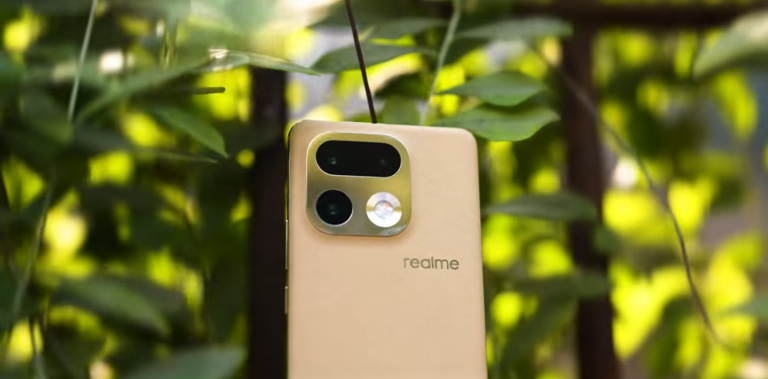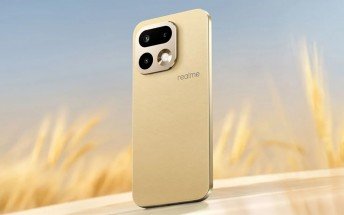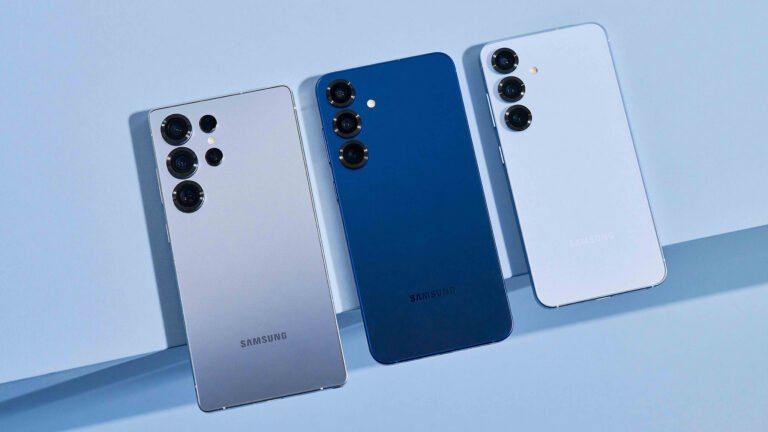
LAVA Agni 4 camera vs Samsung older A series

Camera Comparison for UK Smartphone Users
The Lava Agni 4 arrives with a renewed focus on photography, giving UK buyers a fresh option against several older Samsung A-series models still common in the country. Many users keeping devices for two to three years may now be considering an upgrade, and the comparison between these two paths highlights meaningful differences in hardware capability, colour tuning, low-light stability and selfie performance.
The Lava Agni 4’s 50MP main camera with OIS immediately stands out, offering stronger stability and improved clarity in day-to-day shooting. Older Samsung A-series models, depending on the year, often relied on sensors without OIS in the lower variants. This makes the Lava device more reliable for handheld shots in pubs, cafés or cloudy outdoor conditions across the UK where light can be inconsistent.
A major highlight of the Agni 4 is its 50MP front camera. This is significantly higher than the selfie cameras found in older Samsung A-series phones, which typically ranged from 8MP to 13MP. For UK users relying on video calls, selfies or casual content creation, the added detail can be quite noticeable. It improves sharpness and makes facial features clearer, especially in indoor lighting.
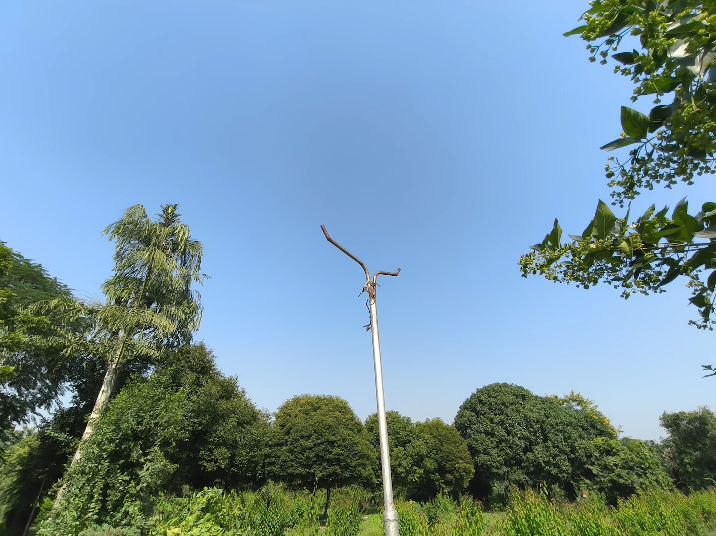
Samsung’s strength, even in older A-series models, lies in consistent image processing. Their colour science has long been tuned for balance, delivering predictable results with accurate skin tones and well-managed highlights. UK buyers familiar with Samsung phones may still prefer the overall “look” that comes from their processing, especially in bright outdoor scenes.
Ultra-wide shots are another area where Samsung’s older models still hold an advantage. While the Lava Agni 4 offers an 8MP ultra-wide lens suitable for everyday use, older Samsung A-series devices often produced better-corrected images with less distortion and more balanced colours. For users taking landscape photos on trips, holidays or coastal visits, Samsung’s established tuning can remain appealing.
Video performance, however, shifts the balance back toward the Lava Agni 4. With support for higher-frame-rate 4K recording and improved stabilisation, it handles moving shots more smoothly than many older Samsung A-series phones. This benefits users capturing family moments, short clips for social media or quick vlog-style videos around UK city environments.
In portrait mode, the Lava Agni 4’s improved sensor helps create cleaner separation and more defined edges in subject shots. At the same time, Samsung’s older A-series still provides a very natural colour finish, especially on faces. Users who value lifelike portrait tones may lean toward Samsung’s profile, but those seeking sharper detail will see benefits in the newer Lava hardware.
Low-light performance remains a key reason to consider the upgrade. The OIS on the Lava Agni 4 helps reduce blur and noise when shooting at night or indoors, situations where many older A-series models struggled. In evening shots or dimly lit environments, the Agni 4 manages exposure better and provides clearer results for everyday UK scenarios.
For daily photography, the Lava Agni 4 feels modern and more capable, especially for users upgrading from three-year-old Samsung A-series devices. The improved sensors and greater stability deliver a noticeable lift in clarity and overall responsiveness. It suits users who want a refreshed experience without moving to higher-priced flagship phones.
Samsung’s older A-series models still remain dependable, offering stable and predictable photos in most conditions. Their colour accuracy, tuning and consistency make them familiar choices for many long-time users. Those who prefer the established Samsung style may continue to appreciate the older A-series performance, even if the hardware is showing its age.
Overall, the Lava Agni 4 offers clear advantages in selfie quality, video capability and low-light photography, while Samsung’s older A-series continues to shine through refined processing and ultra-wide performance. UK buyers deciding between them should consider whether they want newer hardware benefits or the reliability of Samsung’s proven photographic approach.