LAVA Agni 4 camera review in low light scenes
Low-Light Photography Performance and Real-World Clarity
The Lava Agni 4 aims to deliver better imaging in challenging lighting, and its main sensor is designed to offer stability and balanced colours. Low-light testing shows how the camera behaves in dim indoor spaces, evening streets and mixed-light situations. The results highlight areas where the phone performs well and where limitations become noticeable.
The main 50-megapixel camera produces acceptable clarity in low light, especially when there is some ambient illumination. Streetlights, indoor lamps or window lighting help the sensor retain detail. Stabilisation supports handheld shots, reducing blur and producing sharper outlines compared with phones that lack stabilisation.
In darker environments, the camera attempts to brighten the frame through processing, which works well for casual shooting. Faces and objects remain visible, and colours stay mostly natural. Noise becomes noticeable in deeper shadows, but the images remain usable for social media and messaging, where fine detail matters less.

Using Night Mode improves exposure in dim scenes. The mode brings out detail in areas that would otherwise be lost, offering better dynamic range. Buildings, objects and streets appear clearer, and bright sources such as lamps do not overpower the frame as harshly. This makes the mode helpful for night walks or indoor evening events.
The ultrawide lens does not match the main sensor in low-light clarity. It captures wider scenes effectively but shows softness along edges and reduced texture. In very dim conditions, details flatten noticeably, making the lens less suitable for low-light landscapes or wide indoor scenes compared with the main camera.
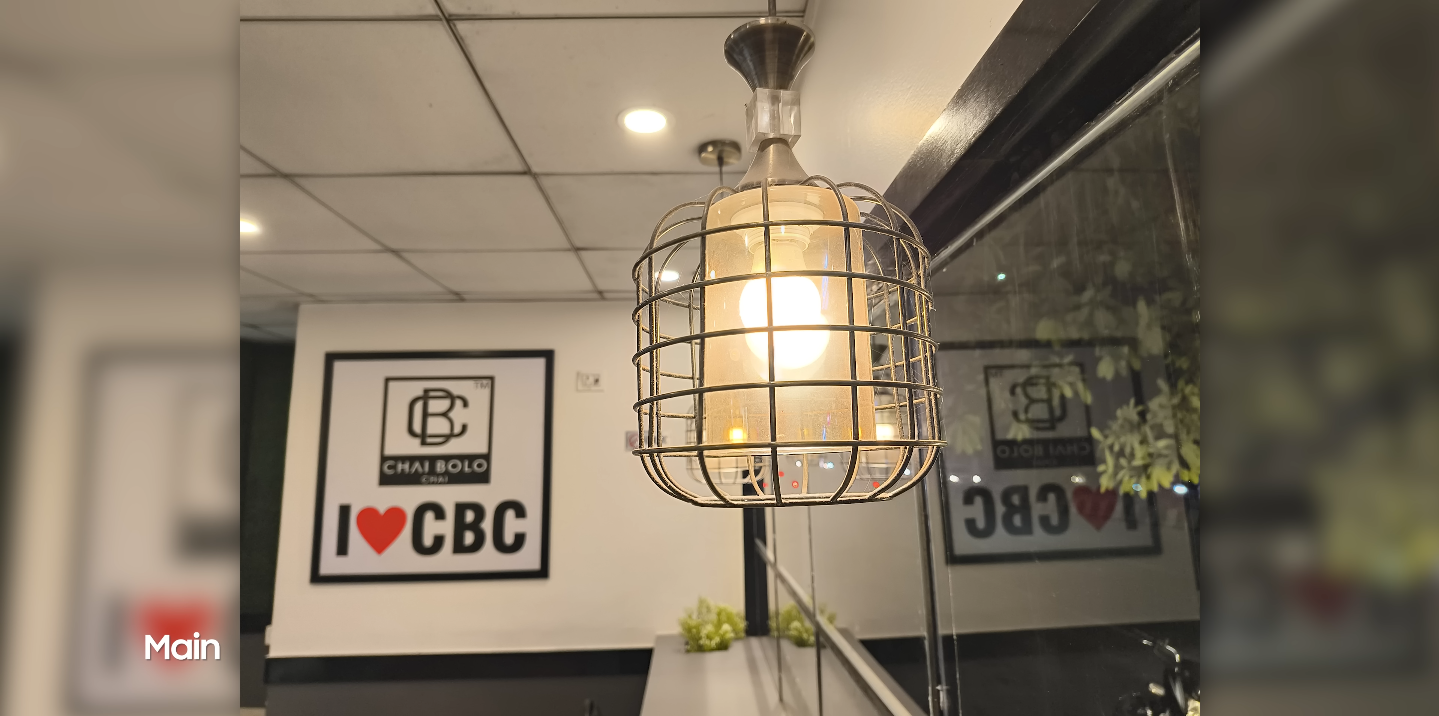
Indoor low-light photography shows mixed outcomes. Under warm artificial lighting, colours remain balanced, though slight smoothing is applied to reduce noise. This smoothing makes certain textures softer than expected, especially on clothing or backgrounds. Still, the images retain enough clarity for general use.
The front camera performs well in bright indoor spaces but struggles under low light. Faces remain visible, yet noise increases and colours lose accuracy. In very low illumination, the softness becomes more pronounced, making selfies less sharp compared with daylight performance.
Video recording in low light shows similar behaviour. Stabilisation helps maintain steady footage, but darker scenes introduce motion blur and reduced detail. The video remains functional for casual recording but does not match the clarity seen in daylight or bright interiors.
Consistency improves when light sources are evenly distributed. Scenes with moderate brightness, such as well-lit restaurants or decorated indoor spaces, show better detail and more natural skin tones. These conditions help the sensor produce more balanced results without excessive smoothing.
Compared with typical mid-range alternatives, the Agni 4 performs reliably in low light for standard use. It offers clearer results from the main sensor than some competitors but is not designed for professional-grade night photography. The ultrawide and selfie cameras show noticeable limitations in dim environments.
Overall, the Lava Agni 4 provides a practical low-light photography experience that suits everyday use. The main sensor offers stable and usable results, while the supporting lenses show clear drops in detail. For evening outings, indoor gatherings and casual nighttime shots, the camera remains dependable, though not ideal for highly detailed or artistic night scenes.