LAVA Agni 4 camera performance analysed for typical UK lighting

How the Agni 4’s camera handles Britain’s varied light conditions
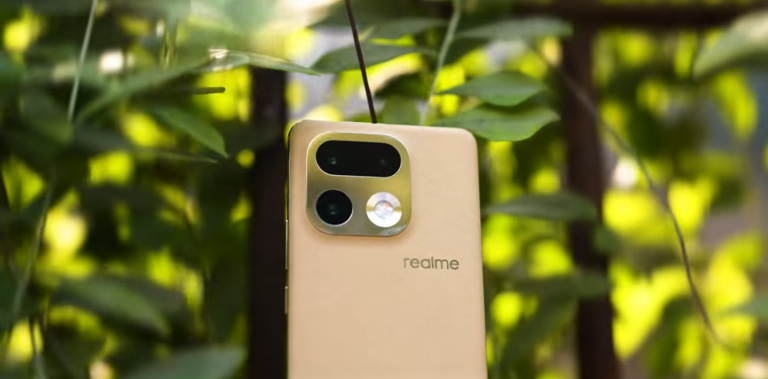
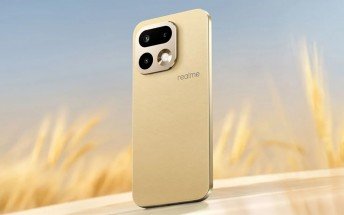
The Lava Agni 4 has drawn interest for offering a camera setup that seems ambitious for its segment, and its performance in typical UK lighting conditions is an important question for potential buyers. With weather that frequently shifts from overcast skies to low-sun evenings, and indoor environments illuminated by warm bulbs or mixed lighting, the UK presents a genuine challenge for any smartphone camera. The Agni 4’s hardware aims to tackle these situations with a stabilised main sensor and supporting features designed to keep photos consistent through changing light.
In brighter daytime conditions, such as clear mornings or softer afternoon sunshine, the Agni 4’s main camera delivers crisp detail and balanced colour. Its optical stabilisation helps maintain sharpness when capturing buildings, landscapes or fast movement in busy streets. The sensor manages contrast well, avoiding washed-out highlights. For users who enjoy taking photos during walks or commutes, the camera feels dependable and handles shadowed areas without losing too much clarity.
Under typical grey, cloudy British skies, the camera’s ability to maintain colour accuracy becomes more noticeable. The Agni 4 tends to hold neutral tones instead of over-brightening scenes unnaturally. This gives photos a more realistic finish that suits the UK’s common lighting conditions. Textures on stone buildings, pavements and greenery remain visible even when the light appears flat. The dynamic range manages highlights in reflective surfaces like wet roads, which often challenge budget-level sensors.
Indoor lighting is where many budget phones struggle, especially in homes and offices that use warm bulbs or mixed colour temperatures. The Agni 4 generally keeps white balance stable, preventing the heavy yellow tint that affects many low-cost devices. Sharpness remains acceptable for social photos, documents and indoor activities. Detail in facial features holds up well, and the stabilisation helps reduce blur for handheld shots. While noise increases slightly in dimmer rooms, the overall photo remains usable for everyday needs.
Evenings present a tougher test, especially during winter when the UK sees early sunsets and long low-light hours. The Agni 4 uses its stabilised sensor and tuned processing to maintain detail in late-day shots. Streetlights, shop fronts and moving traffic appear controlled without excessive glare. Handheld night photos remain steadier due to stabilisation, allowing users to take clearer images without needing long exposure or a tripod. The camera avoids pushing the exposure too far, resulting in natural-looking night scenes rather than overly brightened ones.
The ultra-wide lens performs reasonably well during the day, capturing broader scenes without major distortion. While it cannot match the main sensor’s clarity, it proves useful for city architecture, parks and group photos. In low light it becomes softer, which is expected at this level, but still offers value for users who enjoy creative angles or wider framing. The colours remain consistent with the main camera, maintaining uniformity across a photo set.
The front camera handles both natural and artificial light effectively, making it suitable for video calls, selfies and quick social media posts. In outdoor daylight, skin tones appear natural and textures stay detailed without over-sharpening. Indoors, even under mixed lighting, the front sensor maintains brightness and keeps noise controlled. For UK users who frequently switch between indoor meetings and outdoor environments, this consistency adds to the phone’s overall reliability.
Video performance benefits from stabilisation on the main camera. Footage recorded while walking remains steady in typical British streets or parks, and the camera adjusts exposure quickly when moving between shaded and brighter areas. In low light, video quality remains stable enough for casual use, though motion blur can increase slightly. The microphone captures clear audio, making the device suitable for everyday clips or social media content.
Users who often photograph pets, children or fast-moving subjects will appreciate that the autofocus responds swiftly in most conditions. In cloudy weather, where contrast can be reduced, the focus still locks accurately on subjects, helping maintain sharp images without multiple attempts. This improves the overall experience and makes the camera feel more dependable than many traditional budget models.
Overall, the Lava Agni 4 delivers a camera experience that holds up well across the range of lighting conditions typical of the UK. Its stabilised main sensor, balanced processing and consistent colour handling allow it to outperform many devices in its expected price category. While it still shows the limitations common to mid-range phones—particularly in low-light ultra-wide shots—its performance in daily British lighting is strong enough to satisfy most users. If priced well in the UK, the Agni 4’s camera could become one of its biggest selling points, offering reliability and versatility for everyday photography across the country’s varied conditions.