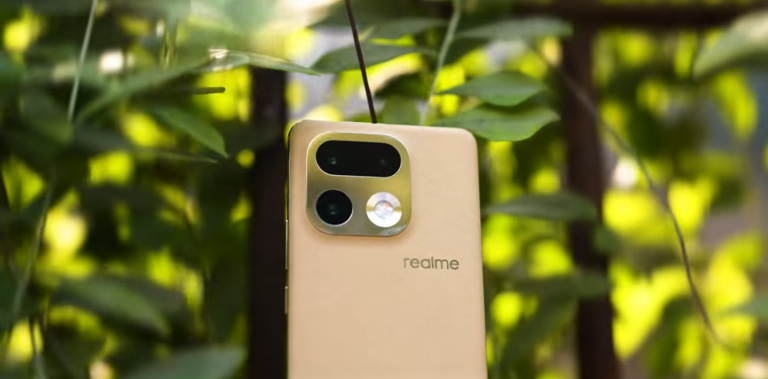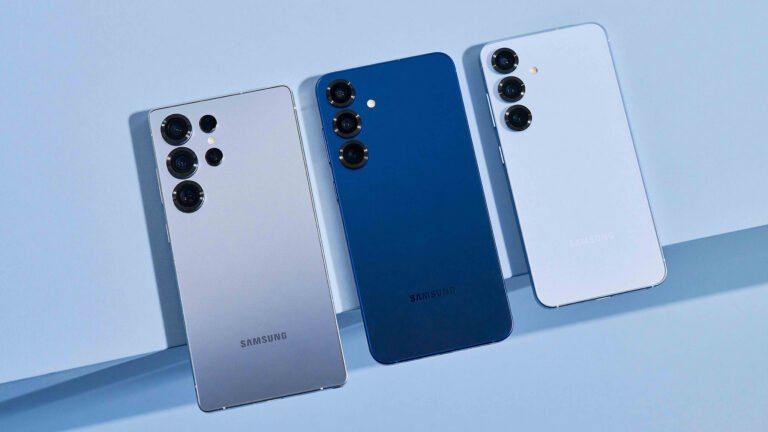
LAVA Agni 4 camera output compared with other budget phones
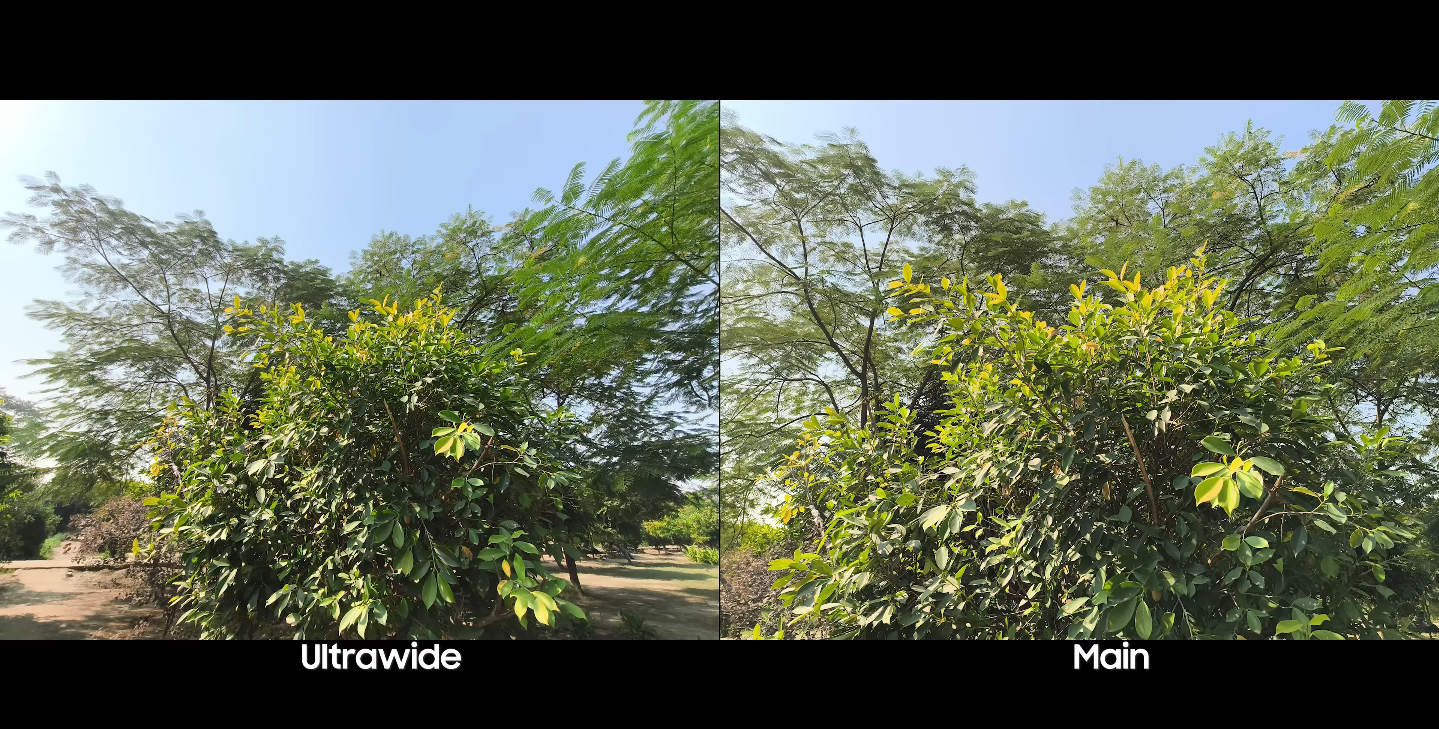
How the Agni 4 Performs Against Popular Budget Camera Phones
The LAVA Agni 4 has become a point of interest in the budget and mid-range smartphone space, largely due to its surprisingly ambitious camera specifications. It arrives with a 50MP main rear camera supported by optical image stabilisation, something rarely offered at its expected price range. On the front, the device features a 50MP selfie camera, which again sets it apart from many competing handsets that tend to offer lower-resolution sensors. The phone also supports 4K 60fps video recording on both front and rear cameras, positioning it as a potentially strong content-creation device.
While the camera hardware looks strong on paper, the actual output is what matters to everyday users. In daylight conditions, the Agni 4 performs confidently, producing detailed photos with balanced sharpness. The presence of OIS helps reduce shake and blur, especially during handheld video shooting or quick capture moments. Selfies also come through with high clarity, providing more detail and a cleaner look compared with typical 16MP or 32MP sensors found in rival devices in this bracket.
Low-light performance, however, shows the phone’s more visible compromises. The main sensor manages acceptable results thanks to stabilisation and reasonable processing, but dynamic range can fluctuate, sometimes losing detail in shadows or highlights. The ultra-wide camera, which uses an 8MP sensor, struggles more noticeably in dim conditions and tends to produce softer images. This is an area where competing models may offer stronger performance due to better tuning or additional dedicated lenses.

The Agni 4’s video output stands out more positively. Recording in 4K at 60fps from both front and rear cameras is a specification that even some more expensive models do not include. Footage remains fairly stable during casual movement and handheld recording thanks to OIS. The high-resolution selfie video capability will appeal strongly to users who record vlogs, reels or short-form content where clarity and smoothness are essential. In outdoor lighting the results are impressive for a budget-targeted phone.
When compared with other phones in a similar pricing window, the Agni 4 offers a clear strengths-focused profile. For example, many competing phones include 50MP or 64MP primary cameras but do so without optical stabilisation, and rely entirely on software for stability. Others may include triple or quad camera branding but reserve higher quality sensors only for the main lens. Against these options, the Agni 4 provides a more straightforward dual-camera system that focuses its value on the primary shooting experience.
However, some rivals manage broader versatility. Phones such as popular OnePlus Nord models or mid-range Samsung A-series devices offer better colour science, more refined image processing and improved ultra-wide or zoom performance. These phones may not advertise the same impressive headline numbers, yet the final image output may appear more consistent across different shooting situations. For users who value balanced photography rather than maximum resolution, these alternatives can be attractive.
Still, the Agni 4 has a defined audience. Users who prioritise a strong main camera for everyday shooting and require excellent selfie detail will find clear advantages here. Likewise, anyone who records video more frequently than they rely on ultra-wide photography will appreciate the 4K60 flexibility. Influencers, students and regular social media creators may find this device an affordable route to high-quality front camera recording that usually demands a much higher budget.
For general UK shoppers comparing phones online, the Agni 4 positions itself as a value-forward package rather than trying to claim photography dominance. It excels most clearly in controlled lighting and selfie performance, offers very stable video and provides headline features that outperform expectations. It does not, however, match the overall camera reliability of the very best options in the segment, particularly in varied or low-light environments. This should be an important deciding factor depending on personal use habits.
If camera performance is your main purchase priority and you need consistent results across all lenses and lighting types, some alternatives in the same category may deliver more reliable results. But if you want a strong everyday camera performer with standout video and selfie capability for a sensible price, the Agni 4 holds meaningful appeal. The phone proves that strong core camera performance can exist without paying premium-level costs, even if compromises remain in versatility.
In conclusion, the LAVA Agni 4 stands as a balanced, purpose-driven choice among budget and mid-range smartphones. Its camera offering is built around strength in key areas rather than broad multi-lens versatility. For buyers prioritising detail-rich selfies, stabilised video and sharp daylight photos, it is a compelling option. For users seeking the best all-round camera phone with high performance in every scenario, exploring some of the more camera-focused rivals may be worthwhile.