LAVA Agni 4 camera clarity compared side by side
Camera Performance Differences in Practical Use
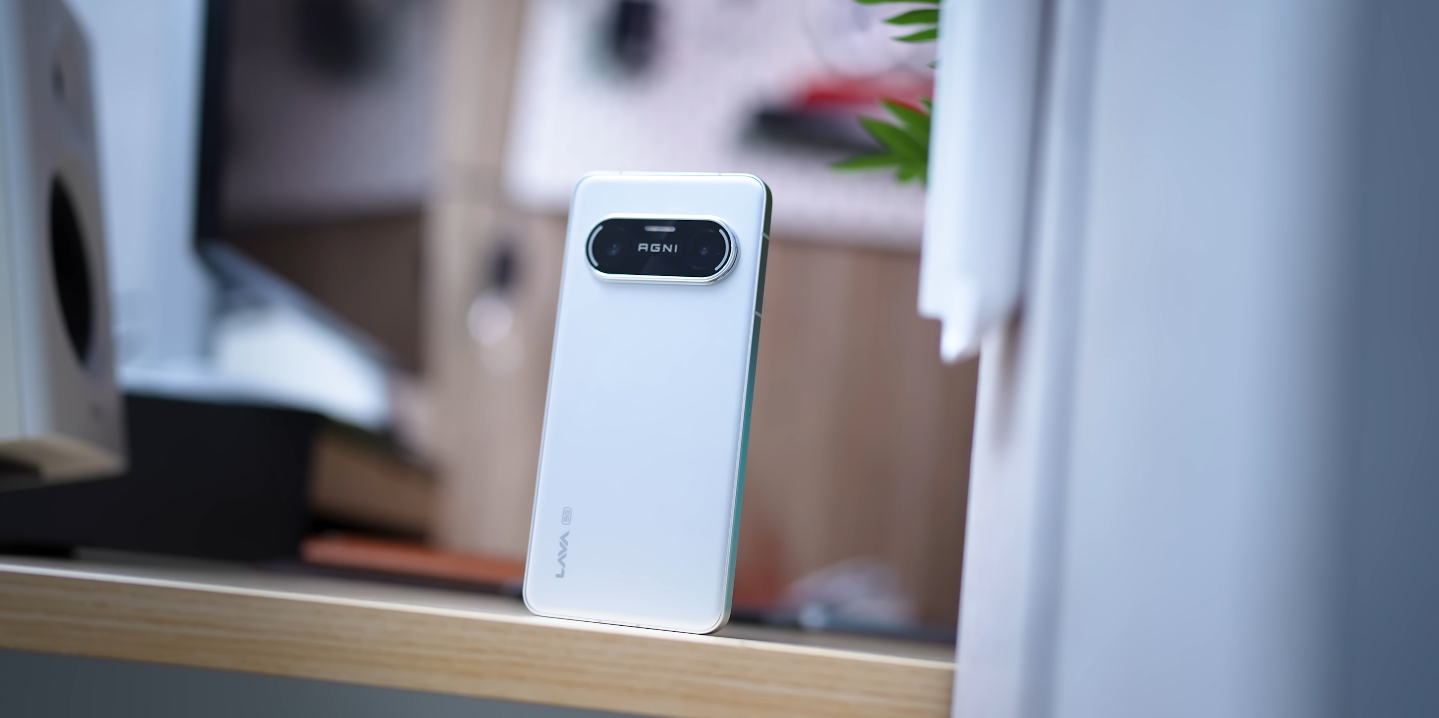
The Lava Agni 4 has entered the UK market with growing interest around its camera system, especially as buyers look for a balanced mid-range device. Its camera hardware brings upgrades aimed at improving everyday clarity, yet real-world tests show a mix of strong and average results. When compared side by side with typical rivals, its performance reflects both progress and limitations depending on lighting conditions.
In bright outdoor settings, the Agni 4’s main camera produces sharp images with good colour accuracy. Details on objects such as buildings, vehicles, and foliage appear clear, especially when using the standard photo mode. The optical stabilisation helps maintain consistency, making daytime shots one of the phone’s strongest areas.
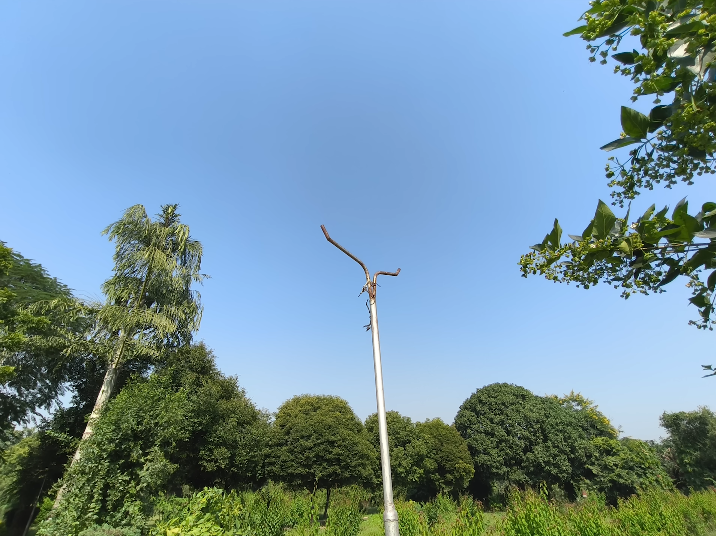
Under indoor lighting, the camera continues to offer acceptable clarity for social media use. Colours remain mostly natural, and textures on skin and clothing retain reasonable detail. However, softer edges become noticeable, especially when light sources are uneven or the background is darker than the subject.
The ultrawide lens shows a noticeable difference in side-by-side clarity tests. While it captures a wider frame effectively, the detail level drops compared to the main sensor. Fine textures on walls, leaves, and distant subjects appear less defined, which becomes more obvious when comparing both lenses in the same scene.
Low-light performance shows the biggest gap in clarity. In nighttime comparisons, highlights can appear blown out, and shadow areas lose detail. Noise becomes visible, especially on skin and darker surfaces. The dedicated night mode helps stabilise exposure but does not fully resolve the softness seen in side-by-side tests.
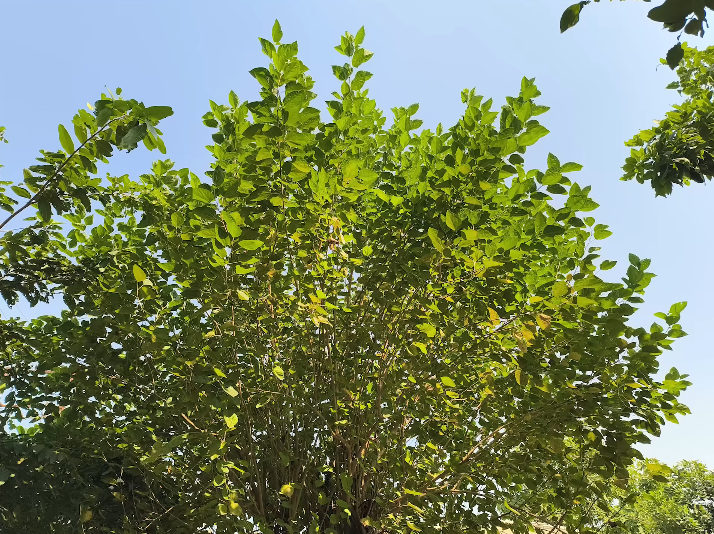
Selfie clarity is generally strong in daytime situations, especially with the higher-resolution front camera. Facial details such as hair texture and skin tone appear sharp when lighting is uniform. However, under artificial lighting, the camera sometimes introduces a pale cast, and textures become smoother than expected.
Video clarity stands out as a positive aspect of the Agni 4. In both front and rear recordings, stabilisation keeps movement controlled, and colours look consistent. In side-by-side video comparisons, footage from the main camera appears steadier and more detailed than footage from similar-priced alternatives, particularly during walking shots.
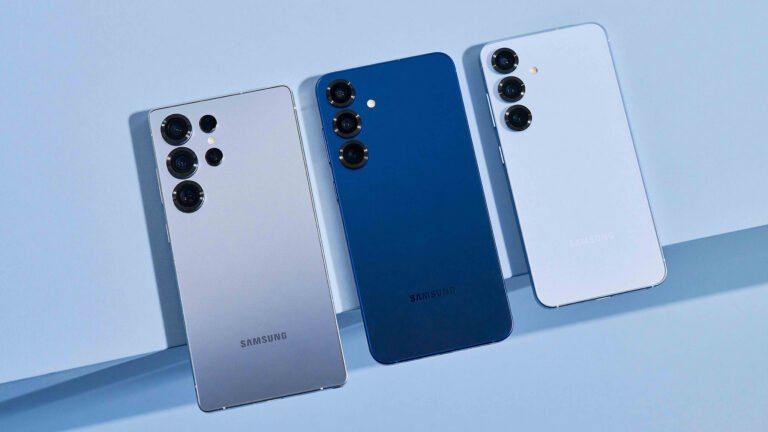
Comparing the phone against typical mid-range competitors shows a balanced but not class-leading result. The Agni 4 performs well in daytime clarity tests, matching or surpassing several rivals. However, ultrawide consistency and low-light clarity lag behind phones that prioritise computational photography.
For UK users who mostly take photos in daytime settings or well-lit indoor environments, the camera clarity remains reliable and practical. It suits everyday photography, social media posting, and casual video creation. Users who prioritise low-light clarity or ultrawide sharpness may find rival models offering more advanced processing.
Overall, the Lava Agni 4 delivers dependable clarity from its main camera in good light, stable video performance, and strong selfie output. When viewed side by side with competitors, it performs best in balanced lighting and everyday use, while showing visible differences in more challenging photographic conditions.