iPhone 18: Is Apple Finally Adopting Under-Display Camera Technology?
=
iPhone 18: The Dawn of the Hidden Camera?
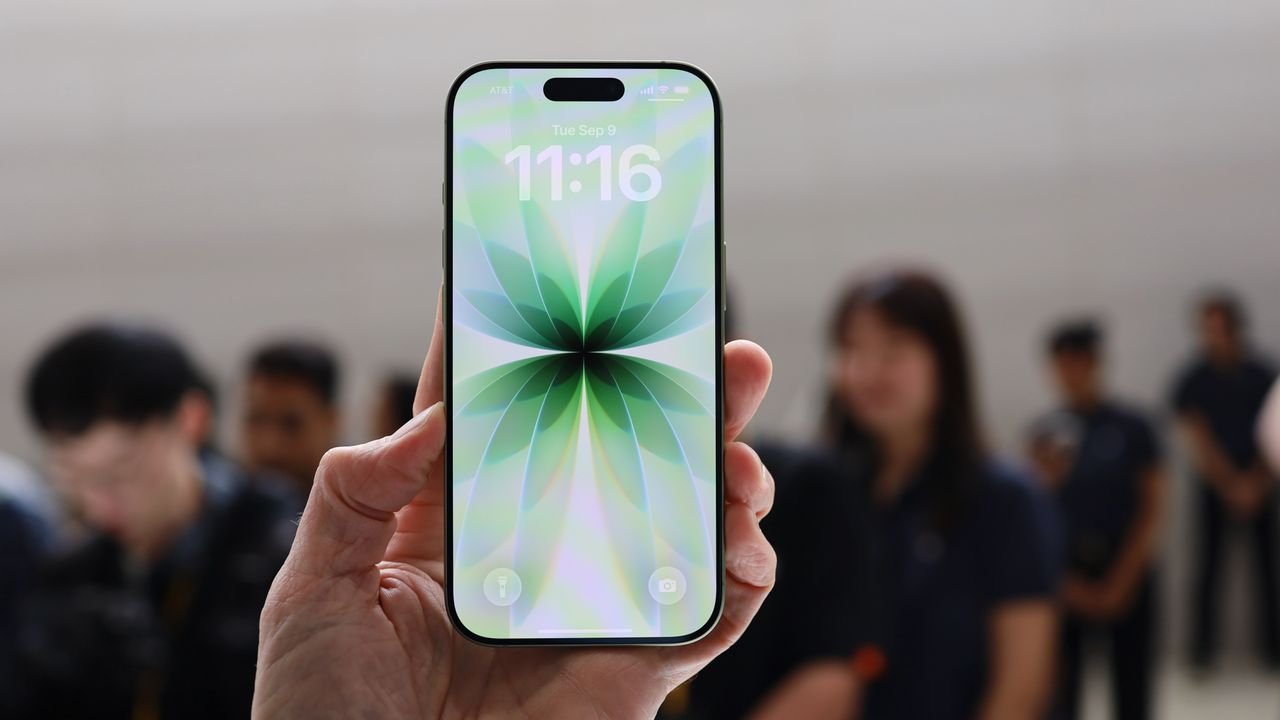
For years, whispers have circulated through the tech community regarding Apple’s eventual adoption of an under-display camera (UDC) for its iconic iPhone line-up. These persistent rumours suggest that 2026 could be the pivotal year, potentially ushering in a truly seamless front-facing camera experience with the anticipated iPhone 18. This move would represent a significant design evolution, fundamentally altering the visual aesthetic we’ve grown accustomed to.
Should these predictions hold true, Apple would finally be integrating a feature that rival Android manufacturers, most notably Samsung, have already explored on their flagship devices for several years. Samsung, a key innovator in smartphone technology, first introduced its own iteration of an under-display camera on select premium handsets as early as 2021. This historical context highlights Apple’s typical cautious approach to emerging technologies, often waiting to refine them.
An under-display camera is an ingenious piece of engineering, designed to completely conceal the front-facing camera beneath the smartphone’s active display panel. The core concept is simple: when the camera is not in use, the screen pixels above it function normally, creating an uninterrupted visual experience. This technology aims to eliminate notches, punch-holes, and any other screen cut-outs that currently house the selfie camera and associated sensors.
The primary allure of an under-display camera lies in its ability to deliver an entirely immersive, full-screen display. Imagine a smartphone front that is nothing but pure screen, with no distractions interrupting content consumption, gaming, or web browsing. This aesthetic ideal has long been a holy grail for smartphone designers, promising a truly futuristic and unblemished user interface that maximises screen real estate.
However, perfecting under-display camera technology presents substantial engineering hurdles that manufacturers have grappled with. The main challenge revolves around balancing display quality with camera performance. For the camera to capture light effectively, the pixels above it must be made transparent or less dense during operation, which can compromise both the image quality produced by the camera and the visual uniformity of the display itself.

Early implementations of UDC technology, even on premium devices, often faced criticism regarding photo clarity, sharpness, and overall image fidelity compared to traditional punch-hole or notch cameras. The presence of a display layer over the lens can lead to issues such as haze, glare, and reduced light intake, directly impacting the quality of selfies and video calls. Overcoming these limitations requires advanced algorithms and hardware refinements.
Samsung’s pioneering efforts with under-display cameras, particularly on its Galaxy Z Fold series, serve as a valuable case study. Devices like the Galaxy Z Fold 3 and Z Fold 4 featured UDCs, demonstrating the concept’s potential while also exposing its nascent stage of development. While impressive in theory, the camera quality on these early UDC implementations was generally acknowledged to be a step below their conventional counterparts, especially in challenging lighting conditions.
Apple, renowned for its meticulous attention to detail and unwavering commitment to a premium user experience, has historically adopted new technologies only when they are deemed mature enough to meet its stringent quality standards. This cautious strategy has been evident with features like Face ID, which Apple introduced only after perfecting the underlying sensor technology, delivering a robust and reliable biometric authentication system.
The potential integration of UDC technology into the iPhone 18 in 2026 aligns perfectly with this established pattern. By waiting several years after others have experimented, Apple gains valuable time to allow the technology to evolve, for manufacturing processes to improve, and for image processing algorithms to compensate effectively for any inherent optical limitations. This ensures that when Apple does implement UDC, it delivers an experience consistent with user expectations for an iPhone.
Furthermore, the 2026 timeline could also indicate Apple’s ambition to integrate not just the camera, but potentially other crucial front-facing components, such as Face ID sensors, directly beneath the display. Achieving a truly invisible Face ID system alongside a hidden camera would be a monumental engineering feat, finally allowing for a completely unblemished full-screen interface, free from the Dynamic Island or any other visible cut-outs.
The removal of the notch or Dynamic Island through UDC technology would fundamentally redefine the iPhone’s iconic front-panel design. For years, the notch has been a distinctive, albeit sometimes controversial, visual identifier for the iPhone. Moving to an under-display solution would signify a bold leap towards a more minimalist aesthetic, reflecting a trend towards devices that appear as pure canvases of information.
Such a design evolution would undoubtedly enhance the overall user experience, particularly for activities that benefit most from an expansive, uninterrupted screen. Watching high-definition videos, playing graphics-intensive games, or engaging in video conferencing would all become more immersive. The absence of any visible camera hardware would simply fade into the background, allowing content to take centre stage.
Compared to current solutions like the Dynamic Island, which cleverly masks the camera and sensors with interactive software elements, a true under-display camera offers the ultimate solution for screen purity. While the Dynamic Island is an innovative workaround, it still represents a physical cut-out. UDC aims for complete invisibility, pushing the boundaries of smartphone design further than ever before, promising a truly futuristic device.
The prospect of an iPhone 18 with an under-display camera in 2026 is more than just another feature upgrade; it represents a significant milestone in Apple’s ongoing pursuit of design perfection and technological innovation. It underscores the industry’s collective ambition to create devices that are essentially pure screens, maximising the visual experience and seamlessly blending technology into the background.
This potential shift signals Apple’s readiness to overcome the complex engineering challenges associated with UDC technology. It ensures that when it finally arrives, it will undoubtedly meet the high standards users expect from an Apple product. The iPhone 18 could therefore mark the beginning of an exciting new era for Apple’s smartphone design, delivering the truly full-screen experience envisioned for so long.
Also Read: Oppo K15 Turbo Pro rumoured timeline points to a mid-2025 UK arrival