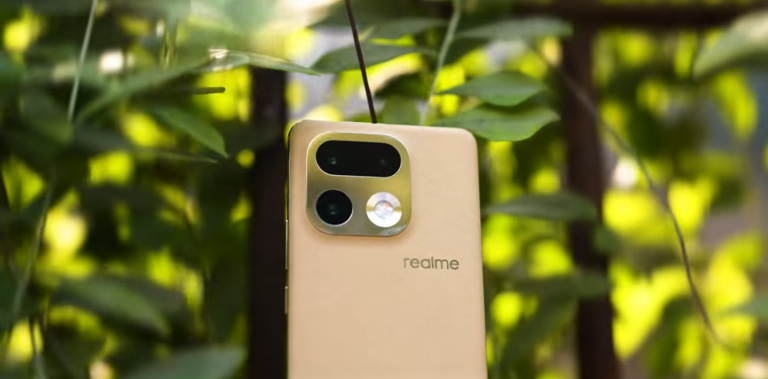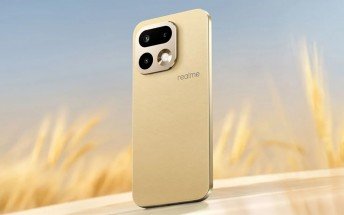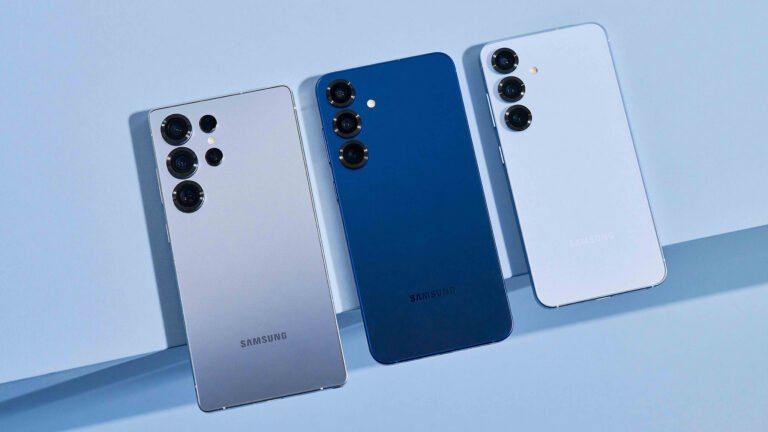
Galaxy M17 5G versus rival mid-range phones: comparison round-up
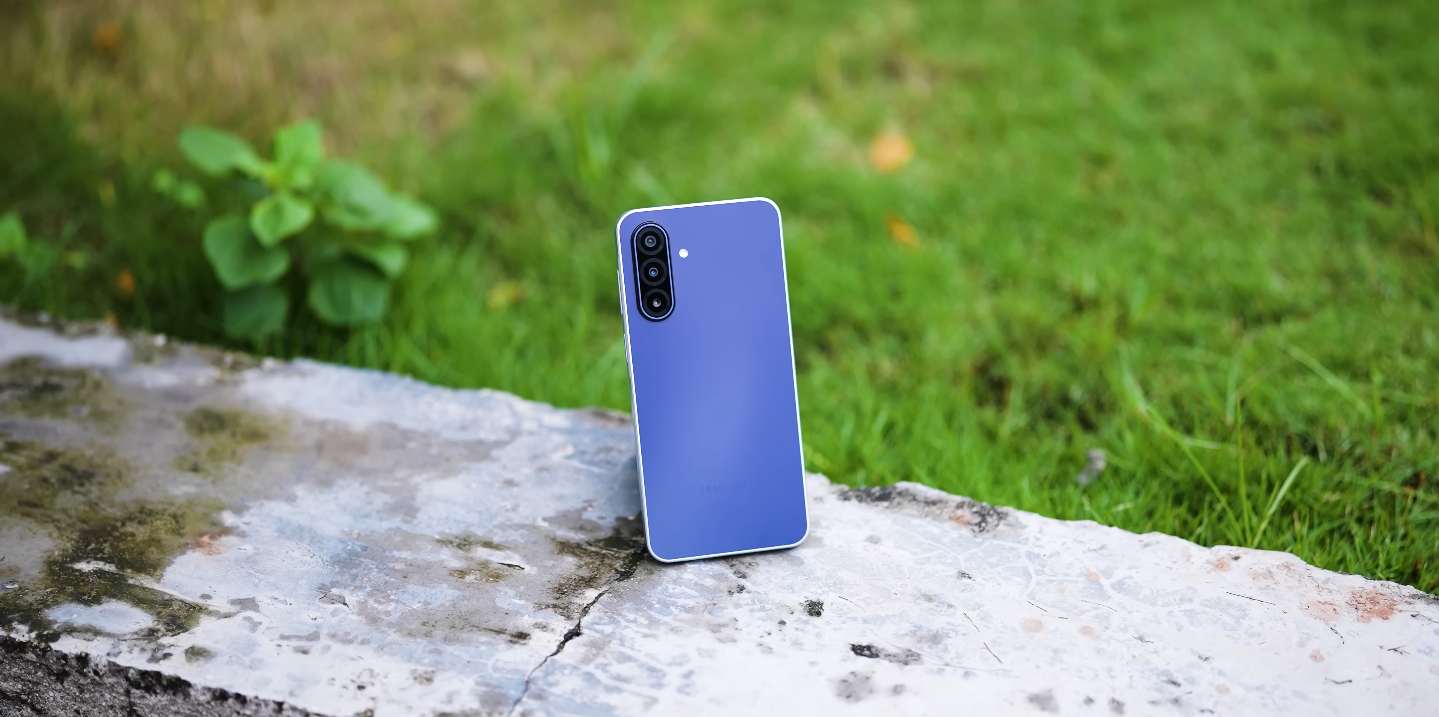
How Samsung positions this model against competing mid-range options
Samsung’s Galaxy M17 5G enters a crowd of mid-range Android phones where competition is intense, and in the UK this segment has become one of the busiest zones of the entire smartphone market. Buyers in Britain want long-term updates, stable day-to-day performance, clean software design, good battery longevity, and features that do not become outdated within one year. This is exactly the space Samsung is trying to dominate, and this model now sits up against rivals from OnePlus, Xiaomi, Realme and Motorola.
The Galaxy M17 5G is built around the idea of extended software value. Samsung’s multi-year update policy has become one of the strongest in this class, and that matters because mid-range phones in the UK often risk shorter support windows from some competitors. This long update runway changes how people evaluate value. Instead of focusing only on launch-day performance, buyers can now consider how a device will behave after multiple future Android revisions.
Against OnePlus, the comparison trend generally leans towards performance versus longevity. OnePlus mid-range devices often push higher clock speeds, bigger memory variants and extremely fast charging systems. Samsung instead focuses more on consistency, battery efficiency, and camera stability. The M17 5G includes optical stabilisation on the main camera sensor, which is a feature still not guaranteed on many competing models in the same bracket, and this gives Samsung a key everyday advantage when users shoot motion or night content.

Xiaomi and Realme compete heavily on display refresh numbers and maximum charging watt figures. This looks attractive on paper and is regularly used as a headline spec. Samsung’s approach with the M17 5G is more balanced than extreme. The refresh rate is not chasing record highs, but it is tuned to deliver steadier daily experience with more predictable battery consumption across extended usage periods. Real-world runtime remains an area where Samsung typically prioritises endurance rather than maximum numbers on spec sheets.
Motorola is another name that increasingly appears in this space, and most of its current models use lightweight software skins with less visual customisation. Samsung uses One UI 7, which is more feature-rich, more integrated, and more structured around multitasking controls. UK users who like widget density, lock screen customisation and deeper system tools may prefer Samsung’s approach. People who want stock-like minimalism may see Motorola’s models as a simpler option, but they may not match Samsung’s update policy length.
Cameras remain a major comparison factor between these brands. Samsung uses colour tuning that leans more toward realistic clean output rather than heavily boosted saturation in default conditions. Many competing mid-range models still lean on aggressive boosting to make pictures pop immediately. Daytime photography is still competitive across the entire class, but in less stable lighting Samsung’s optical stabilisation has a mechanical advantage. Rivals using purely electronic stabilisation often drop detail or introduce blur when the scene is not well lit.
Battery endurance across this entire mid-range group is broadly stable, but the difference appears more clearly in sustainability strategy. Charging systems on some rival models push extremely fast wattage numbers that create short bursts of top-up speed. Samsung takes a more moderate approach, focusing on long-term cell health and more predictable thermal behaviour. For UK users who want consistent longevity over a multiple-year ownership plan, this trade-off can feel more reassuring than speed marketing.
Performance differences are still present though. Some competing models using alternative chipsets do produce stronger raw numbers in heavy graphic workloads or rapid multitasking tests. But Samsung’s software environment is tuned for smoother app transitions and cleaner control surface interactions, which many users find more impactful in real usage than synthetic benchmark scores. For most UK daily tasks such as messaging apps, social media browsing, music playback, camera moments and casual gaming, the experience feels level and stable.
Overall this comparison round-up shows that the Galaxy M17 5G tries to compete through longevity, software structure, camera stability and balanced design rather than by chasing extreme single specification spikes. It may not win every statistical battle on paper, but it is shaped to remain consistent and relevant throughout multiple future update cycles. That is a meaningful advantage for UK buyers who want long-term confidence rather than short-term flash.
Also Read: Moto G67 Power to feature improved cooling system