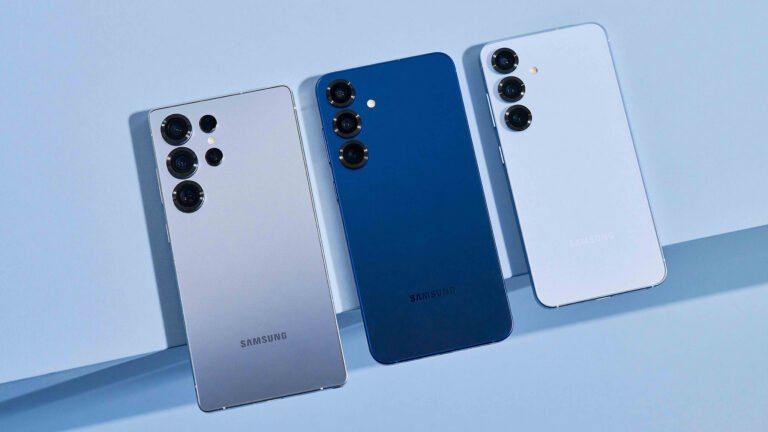
Galaxy M17 5G UK pricing prediction after tax & import
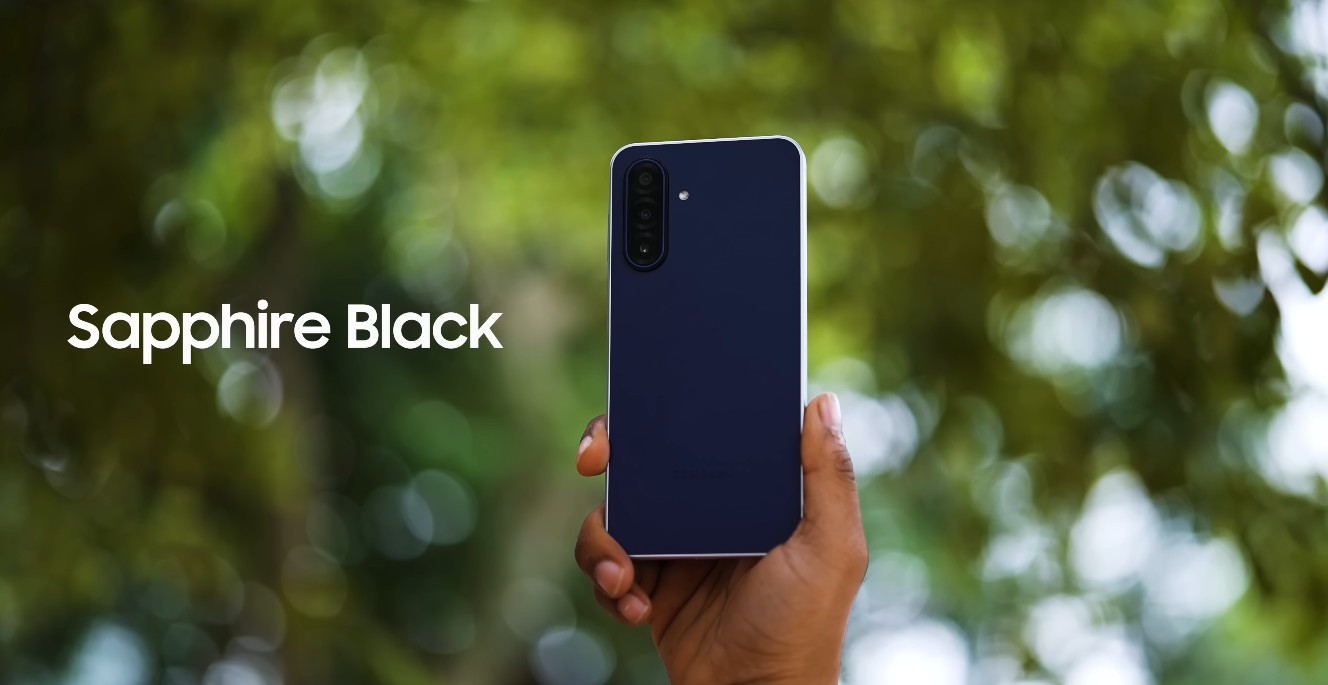
Expected final retail positioning after UK tax application
Samsung’s Galaxy M17 5G is launching first in India, but UK buyers are already watching it closely because this model sits in the same segment that usually attracts commuters, students, first-time upgraders, and users who want a reliable mid-tier device without paying premium flagships. The difficult part is that pricing in India cannot be applied directly to Britain because the UK adds multiple stack costs before the phone hits shelves. Those layers include import, VAT, regulatory compliance, regional packaging, and Samsung UK margin. That means the final sale price will be noticeably higher than the simple currency conversion number.
The base price in India is extremely competitive for the spec class. When that number is converted into pounds at current exchange ranges, the raw number looks very low at first glance. But anyone in the UK following smartphones knows that raw conversion is meaningless because Britain has a 20 percent VAT layer baked on top of practically every consumer electronic. That alone changes the entire equation before the phone even reaches carriers or retail channels.
Import overhead is another factor. When Samsung moves an M-series handset into the UK, it does not simply ship cartons without structural adjustments. Packaging needs UK legal labels, regional warranty inclusion, safety compliance marks, and sometimes modem configuration adjustments for suitable 5G band alignment. Even when Samsung decides to sell directly through online channels, fulfilment and warehousing cost must be calculated into the listing price. Those are invisible to customers but they inflate the number significantly above pure conversion.

Another aspect that historically affects the final retail listing is positioning. Samsung does not place M-series devices in the UK with a “budget at any cost” philosophy. Instead, it tries to anchor the model in a sensible price band that does not conflict too heavily with A-series pricing. In practice, that means Samsung tends to round the number into the band that supports the overall portfolio structure, not the currency calculator. That is why UK M-series pricing has never matched Indian pricing ratios in previous launches.
When we add margin assumptions, that creates another lift. Samsung UK must protect brand value even in the mid-tier bracket, and retailers also need enough margin incentive to carry the model confidently. Those are not wild mark-ups, but they are consistent enough historically that they are predictable. It becomes clear that the Galaxy M17 5G cannot arrive in Britain hovering around the direct pound conversion. It will instead sit in the price range that balances feature set against mid-range rivals already selling in stores.
VAT is unavoidable. At 20 percent, it alone can push the final number to a higher bracket because VAT is applied to the adjusted retail base rather than to pure conversion. That means any assumed retail margin becomes part of the final taxable total. When everything is layered, the real figure begins to resemble a familiar UK mid-range Samsung launch slot rather than an aggressively cheap number from an entirely different market.
Another point to consider is that Samsung may not bring every RAM and storage variant to Britain. If it screens out the lowest option and instead selects a slightly higher storage configuration for first wave UK channels, that automatically raises the starting price placement. Samsung has used this approach in previous launches where the entry variant in India was not the entry variant in the UK.
Taken together, these components produce a realistic, not theoretical, conclusion. A fully landed UK Galaxy M17 5G after VAT, import adjustment, regulatory packaging, margin, and channel alignment is likely to sit in Britain firmly within the expected mid-range retail zone rather than a bargain conversion fantasy. For buyers in the UK watching this launch, the realistic expectation is that this handset will enter shelves at a sensible mid-tier price level appropriate for its class rather than an artificially cheap sum that ignores the real cost stack.
Also Read: Moto G67 Power 5G could replace the Moto G65 5G as a new bestseller