Galaxy M17 5G dust & splash resistance: how much does IP54 matter?
Understanding Samsung’s protection rating in real-world use
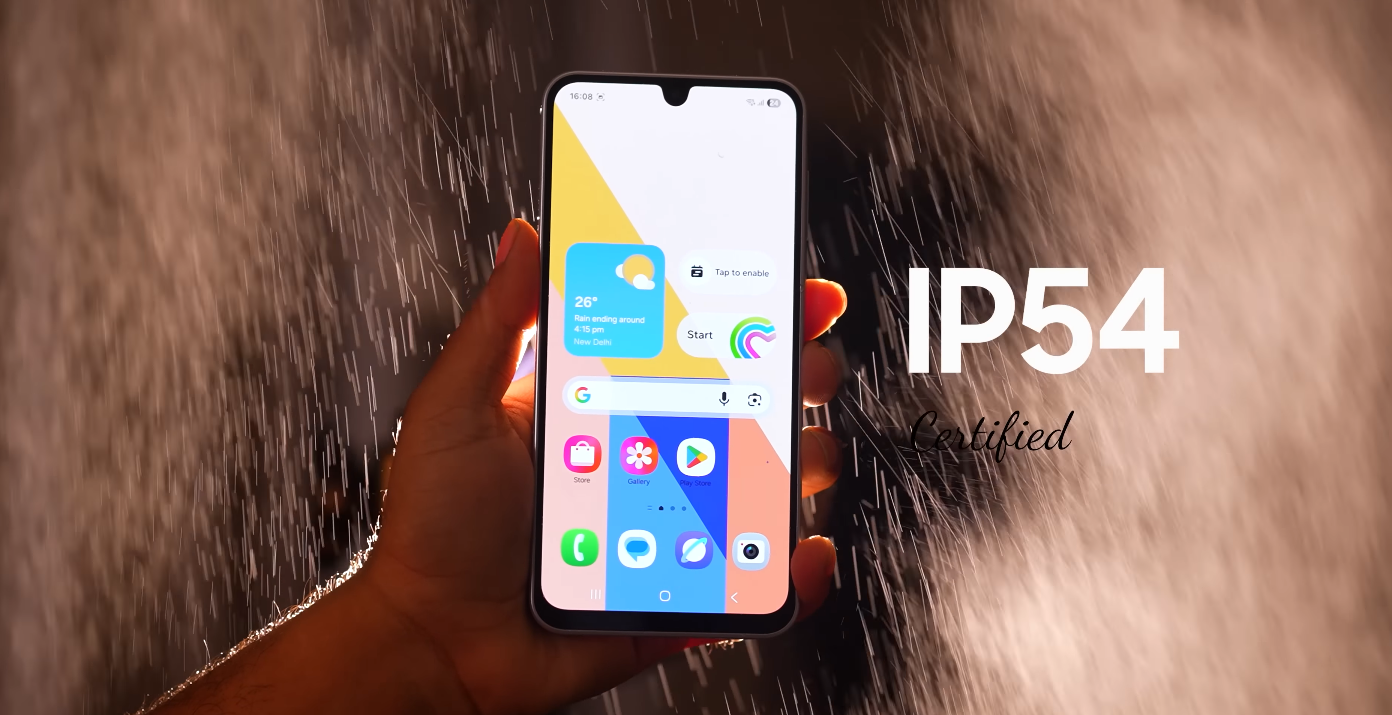
The Samsung Galaxy M17 5G arrives with an IP54 dust and splash resistance rating, a feature that instantly adds appeal to its durable design. For a phone in the budget 5G range, this level of protection stands out, offering users confidence in daily use where exposure to dust, rain, or accidental splashes is common. But how much does this IP54 rating actually matter in real-world conditions?
The “IP” in IP54 stands for “Ingress Protection,” a standardized rating that defines how well a device can withstand dust and water exposure. The first digit, “5,” indicates limited protection against dust ingress, meaning small particles may enter but won’t affect the phone’s performance. The second digit, “4,” shows that the device can resist splashes of water from any direction without suffering damage. This makes the Galaxy M17 5G more resilient than most phones in its price range, though it isn’t waterproof.
In practical terms, the IP54 rating allows the Galaxy M17 5G to survive accidental spills, light rain, or a brief encounter with moisture. For users in areas with humid or dusty conditions, such as construction zones or outdoor markets, this protection provides peace of mind. It’s not designed for submersion, but it will easily handle situations that might ruin less-protected devices.
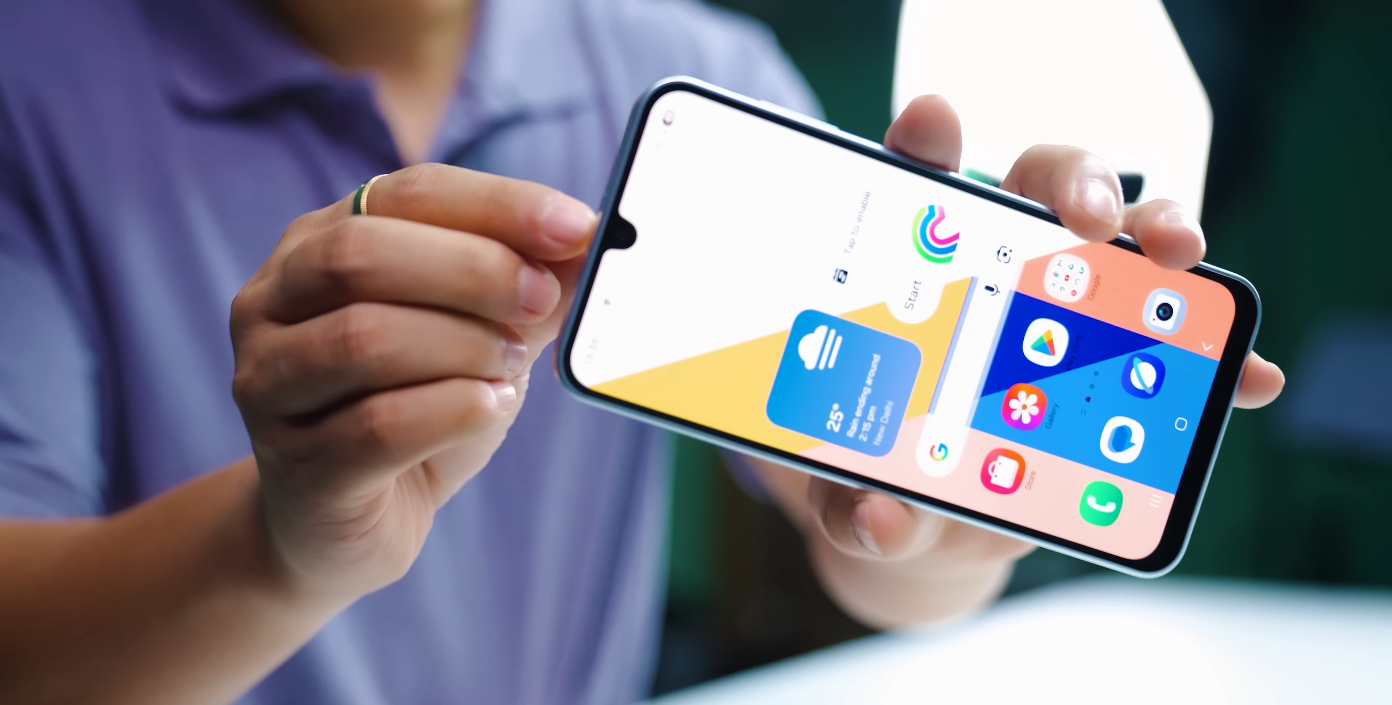
Samsung has paired this IP rating with Gorilla Glass Victus on the front display, further enhancing the phone’s durability. Together, these features protect against two of the most common forms of damage — dust and scratches. This combination is rare in a sub-£200 smartphone, making the M17 5G a compelling option for anyone who values toughness and reliability.
The phone’s frame and design also support its resistance credentials. Its tight port seals, secure SIM tray, and precision-cut speaker grill reduce dust entry points. Even after extended use in moderately dusty environments, the device maintains stable performance, showing Samsung’s focus on build quality beyond just the IP label.
However, it’s important to manage expectations. An IP54 phone like the M17 5G can resist splashes but not immersion. Dropping it in water or exposing it to heavy rain for prolonged periods may still cause internal damage. Unlike flagship models with IP67 or IP68 ratings, which can survive deeper water contact, the M17 5G’s protection is primarily meant for accidental exposure rather than extreme conditions.
For most everyday users, the IP54 rating provides exactly the right level of protection. Whether it’s a drizzle during a walk, a few drops from a spilled drink, or dust while commuting, the phone remains unharmed. For students, field workers, or travelers, it’s a valuable assurance that the phone can withstand typical mishaps without requiring special care.
The inclusion of IP54 certification also reflects Samsung’s growing attention to durability across its midrange lineup. Until recently, such protection was reserved for flagship models. By bringing it to the Galaxy M series, Samsung is raising expectations for budget smartphones and showing that affordability no longer means fragility.
This protection rating, combined with Samsung’s long software support and sturdy construction, makes the M17 5G a balanced device for users seeking value and reliability. It bridges the gap between budget and premium durability, offering protection that covers real-world risks without adding unnecessary bulk or cost.
In conclusion, the Galaxy M17 5G’s IP54 rating may not make it waterproof, but it absolutely matters in everyday use. It provides practical protection against dust and splashes, helping the phone last longer and perform consistently. For most users, this level of durability hits the sweet spot — strong enough to handle life’s small accidents, yet affordable and well-built for the long term.