Emergency checks ordered for thousands of Airbus A320s

Airlines act fast as safety directive targets key aircraft model
Thousands of Airbus A320-family aircraft are undergoing urgent safety checks after regulators instructed airlines to complete inspections immediately. The directive, affecting one of the most widely used aircraft models in the world, has placed aviation authorities and airlines under pressure to ensure passenger safety while keeping disruption to a minimum. The A320 family is central to UK and European travel, so swift action is essential to keep flights operating smoothly.
The checks follow the identification of a risk involving the aircraft’s flight-control system, linked to rare digital errors that could affect how pilots manage the aircraft in specific circumstances. While the likelihood of such issues is extremely low, regulators decided that precautionary inspections were necessary to remove any potential threat. Safety officials have stressed that this is a proactive step designed to maintain high standards across the industry.
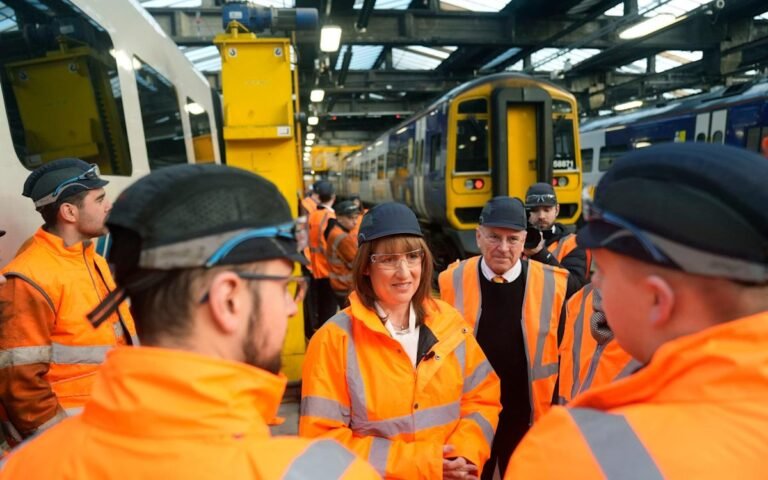
Airlines that rely on A320s have mobilised engineering teams to complete the inspections as quickly as possible. Many carriers expect that the checks can be carried out rapidly, allowing most planes to return to service on the same day. For newer aircraft in the A320 family, the required work is expected to be relatively straightforward, allowing fleets to keep moving without major timetable changes.

However, there are concerns that older aircraft could require more attention, resulting in longer time on the ground. Some jets may need both software adjustments and detailed physical inspections, creating added pressure during a busy season for international and domestic travel. Airlines are working closely with airports to manage availability of gates, engineering hangars and operational resources.
The UK aviation sector is closely monitoring the situation, as the A320 family forms a major part of the fleets used by well-known UK and European airlines. Passengers travelling in the coming days are encouraged to keep an eye on communications from their airline for any schedule adjustments. In many cases, flights are still expected to operate normally while checks proceed in the background.
Aviation experts say this directive demonstrates how responsive the industry must be when dealing with digital safety in modern aircraft. Today’s jets depend heavily on advanced control systems, meaning even a small issue can trigger broad precautionary measures. The goal is always to resolve risks before they become problems, keeping every stage of air travel secure.
Despite the scale of the operation, airlines are reassuring customers that significant delays and cancellations should be limited. Where needed, carriers are rearranging aircraft allocations, using unaffected models to cover key routes. Engineering crews have also extended working hours, with maintenance being carried out day and night until the checks are complete.
For travellers, the disruption may be most visible at large airports that act as major hubs for A320 traffic. Even small scheduling changes can create knock-on delays at peak times. Still, airports and airlines remain confident that a coordinated approach will keep inconvenience to a minimum as safety work continues at speed.
The situation highlights the importance of constant oversight in aviation. Aircraft today operate under some of the strictest safety standards anywhere in the world, and measures like these are a reminder of the attention to detail required behind the scenes. When a risk is detected, widespread action follows immediately, no matter how large the fleet involved may be.
In the long run, the safety checks are expected to reinforce confidence in the A320 fleet, ensuring it continues to play a vital role in global travel. For now, passengers may notice some operational adjustments, but every step taken is focused on protecting those who fly. The aviation industry remains committed to maintaining safety as its highest priority, even when rapid action brings challenges for crews, airlines and travellers alike.