
Budget squeeze expected to add £50 weekly to typical UK household bills
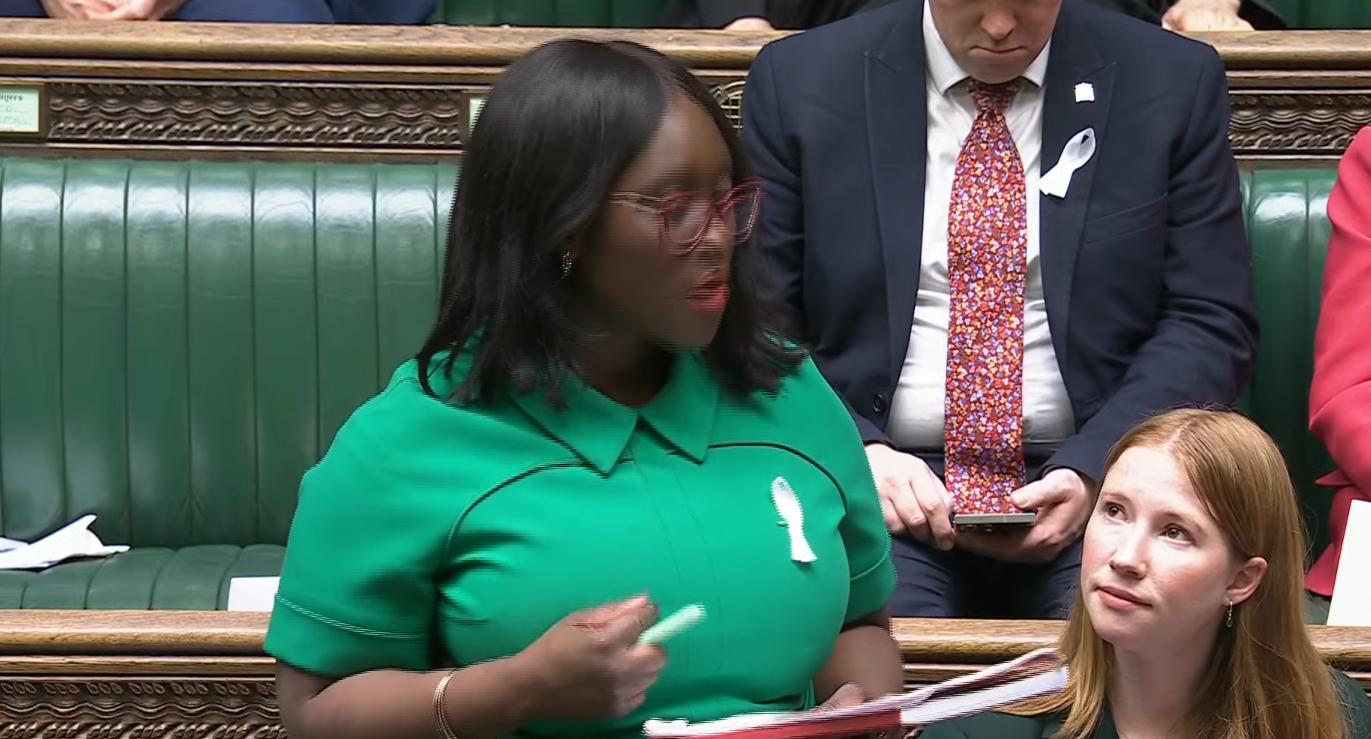
Households Brace for Higher Weekly Costs Under New Measures
UK households are preparing for a notable rise in weekly expenses as the latest Budget introduces measures expected to add around £50 to typical bills. The increase stems from a mix of tax adjustments, revised allowances and changes affecting essential and everyday costs. With living expenses already elevated, many families are bracing for another squeeze on monthly budgets.
A key driver of the projected rise is the freeze on income tax thresholds, which continues to push more earners into higher tax bands as wages grow. This form of fiscal drag means households will see a larger share of income going to tax, reducing take-home pay and affecting disposable spending. Analysts warn the freeze will be felt more sharply throughout the year.
The Budget also introduces changes to savings and investment rules that impact household finances. Adjustments to dividend taxation, reduced allowances and tighter thresholds mean that savers and small investors may face lower returns. For households relying on modest investment income to support bills, these reductions create another layer of financial pressure.

Rental costs are expected to climb as well. With landlords facing higher taxes under the new rental income regime, many are predicted to pass on additional charges to tenants. Estimates suggest that the average rent could rise further, feeding into the overall increase in weekly expenses for families and individuals across the country.
Increases in duties on selected products contribute to the rising cost of living. Updated charges on items such as gambling services and other taxed goods may affect households that use these products regularly. While individually modest, these changes add up when combined with wider financial pressures.
Energy costs, though moderated from previous peaks, remain a concern. Households continue to manage elevated utility bills, and any indirect effects from the Budget on energy-related charges or support mechanisms could influence overall spending. Even small shifts in tariffs or allowances can significantly affect weekly budgets.
The rise in minimum wage levels offers some relief for lower-income workers. However, the increase may not fully offset the cumulative impact of tax changes and general living costs. Many families could find that higher earnings are quickly absorbed by deductions and rising household expenses.
Public services funding adjustments form another backdrop to the expected £50 weekly rise. With departments focusing on managing tight budgets, some support schemes may change or taper, influencing how much assistance households can access. These administrative shifts may affect the affordability of childcare, transport or local services.
Critics argue that the Budget’s combined measures produce a heavier burden on middle-income families already managing stretched finances. They warn that rising costs could reduce consumer confidence and spending, with wider implications for the UK economy. Supporters of the Budget maintain that the measures are essential for long-term stability and balancing national finances.
Financial advisers are urging households to review their spending plans. With the projected increase impacting essentials, many families may reassess savings strategies, subscriptions, or discretionary spending. The coming months are likely to bring heightened attention to budgeting and financial management across the country.
As the full effects of the Budget become clearer, the anticipated £50 weekly rise is emerging as a central concern for households nationwide. The combination of tax changes, rent pressures and adjusted allowances sets the stage for a challenging year, shaping how families plan and manage their day-to-day expenses.
Also Read: Freely quietly rolls out new channels UK viewers can access today