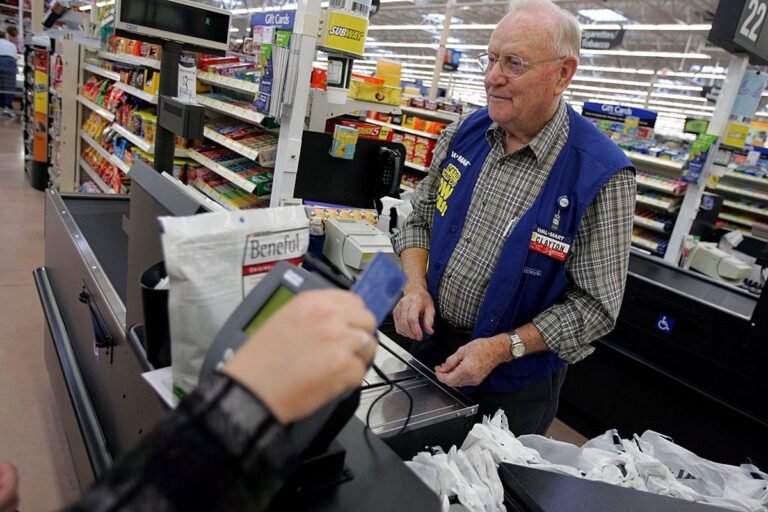
Budget freeze pushes many middle-income earners into higher tax band — extra £1,000 per year
Fiscal drag leaves UK workers facing higher deductions despite unchanged tax rates
The Budget 2025 freeze on income-tax thresholds is pushing a large proportion of middle-income earners into higher tax brackets, resulting in an estimated additional £1,000 per year in deductions for many workers. Although headline tax rates have not risen, wages increasing against frozen thresholds mean more earnings are now taxed at higher levels, triggering what economic analysts call “fiscal drag.”
The measure keeps personal allowance and higher-rate thresholds fixed, even as salaries continue to grow across both private and public sectors. This gradually increases the share of income subject to higher taxation, affecting workers who previously remained comfortably within lower bands. For many households already managing rising living costs, the timing of the freeze adds financial strain.
Government officials argue that maintaining the freeze is a fair way to generate additional revenue without raising core tax rates. By allowing earnings growth to pull workers into higher bands, the Treasury expects to boost receipts while keeping headline taxation stable. Critics counter that the policy is a “stealth tax” disproportionately affecting middle-income families.
Workers earning just above £50,000 are among the most impacted, with many crossing the higher-rate threshold for the first time. Even small salary increases are now triggering deductions that would not have applied prior to the freeze. Payroll data across several industries suggests that employers offering standard cost-of-living pay rises are inadvertently pushing employees into new tax territory.
Public and private sector staff, including teachers, healthcare workers, engineers and senior administrative employees, form the bulk of those affected. Many are finding that year-end earnings statements do not match expectations based on headline salary figures. Some report feeling financially worse off despite annual pay increases on paper.
The freeze is also impacting pension contributions, as higher taxation reduces disposable income available for long-term savings. Financial advisers warn that reduced contributions now may widen retirement-funding gaps later, especially for workers already concerned about pension adequacy. Some employees are reconsidering voluntary contributions to protect short-term budgets.
Household budgets are tightening further in the face of rising energy, transport and housing costs. Families who previously felt financially secure are reassessing discretionary spending, holidays, and childcare arrangements. Debt charities have observed an increase in enquiries from households that typically fall outside traditional risk groups.
Despite the pressure, the government defends the threshold freeze as part of a wider commitment to stabilise national finances and support investment in essential services. The policy is expected to contribute significantly to revenue generation, which ministers say is necessary to meet demands in healthcare, social care and education. Officials insist the approach balances economic responsibility with continued public-service support.
Unions and workers’ groups are calling for an urgent review of the freeze, arguing that steady pay rises should not be punished during a cost-of-living crisis. They claim the measure undermines workforce morale at a time when key sectors are already struggling with recruitment and retention challenges. Pressure is growing for the government to reconsider the freeze in the next fiscal update.
For many employees across the UK, the new tax reality will play a defining role in household planning over the coming year. Whether the threshold freeze remains temporary or becomes a longer-term feature will influence earnings, spending habits and long-term saving decisions. Middle-income families now face balancing higher deductions with the hope that increased public investment delivers visible improvements to everyday services.
Also Read: Amazon UK warns customers after flood of fraudulent refund emails