Apple iPhone Air vs iPhone SE which offers more value

Apple’s Midrange Battle: iPhone Air vs iPhone SE
Apple’s latest iPhone Air has entered the market as a bridge between the budget-friendly iPhone SE and the high-end Pro models. With both phones targeting users who want value, their differences in performance, design, and price highlight Apple’s expanding range of options. The key question for many U.S. buyers is simple: which one delivers more value for the money?
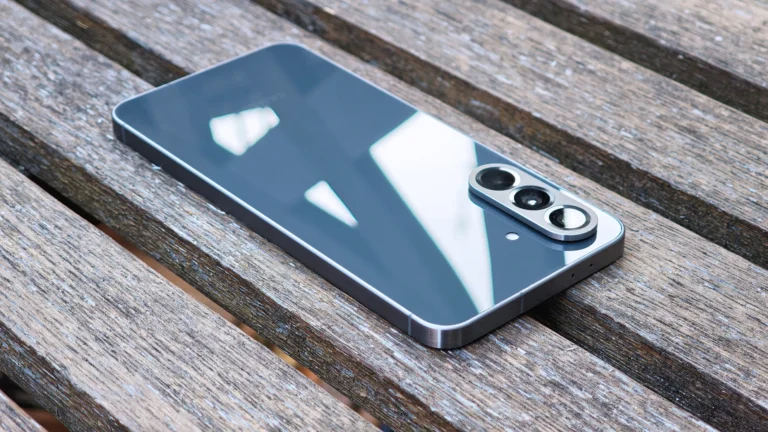
The iPhone Air is positioned above the SE in nearly every technical category. It features a 6.1-inch OLED display with higher brightness, deeper contrast, and a smoother refresh rate compared to the SE’s smaller 4.7-inch LCD screen. The difference in display technology alone makes the Air feel significantly more premium, particularly for streaming, gaming, and daily use. The Air also adopts a modern, edge-to-edge design with Face ID, while the SE retains the classic Home button and Touch ID setup.
Performance is another clear advantage for the iPhone Air. It runs on Apple’s latest A18 chip, offering faster speeds, better graphics, and greater energy efficiency. The iPhone SE, though powerful for its size, still relies on an older A16 chip. For users who multitask, play demanding games, or plan to keep their phone for several years, the Air’s newer processor and improved thermal management make it a smarter long-term investment.

Camera quality is one of the biggest differences between the two models. The iPhone Air features a 48-megapixel main camera with advanced computational photography, Night Mode, and 4K video recording at 60 frames per second. The SE, meanwhile, sticks to a single 12-megapixel lens without Night Mode or advanced zoom features. For casual photographers, the SE’s camera is fine, but anyone who values detailed photos, low-light performance, or cinematic video will find the Air to be a major upgrade.
Battery life and connectivity further separate the two devices. The iPhone Air offers improved efficiency, supporting all-day battery life, faster charging, and MagSafe accessories. The SE, while smaller and lighter, provides shorter battery performance and lacks MagSafe support. Both models support 5G, but the Air’s upgraded modem ensures faster and more stable connections. In terms of build, the Air uses recycled aluminum and glass, while the SE maintains Apple’s older chassis design.
Price remains the main factor for many buyers. The iPhone SE starts at $429 for the 64GB model, making it one of Apple’s most affordable smartphones. The iPhone Air, on the other hand, begins at $999 for the 256GB model. The price gap is substantial, but so is the difference in features, performance, and longevity. Apple’s trade-in and financing programs may reduce the upfront cost of the Air, helping users spread out payments while gaining access to premium features.
For most consumers who plan to use their phone for three to five years, the iPhone Air offers better long-term value. It delivers a more modern experience with a superior display, stronger performance, and advanced photography features that will stay relevant through future iOS updates. The iPhone SE remains an excellent budget option for users who want Apple reliability without the extra cost, but for those seeking performance and future-proofing, the iPhone Air provides far more value overall.