Apple iPhone Air VS iPhone 14 Pro
Comparing Apple’s ultra-thin iPhone Air and the powerful iPhone 14 Pro
Apple’s iPhone Air and iPhone 14 Pro both appeal to premium smartphone users, but they serve different audiences. The iPhone Air focuses on modern design, lightweight handling, and next-generation performance, while the iPhone 14 Pro emphasizes camera versatility and professional-grade features. For buyers in the U.S., the choice largely depends on whether they prioritize portability or all-around capability.
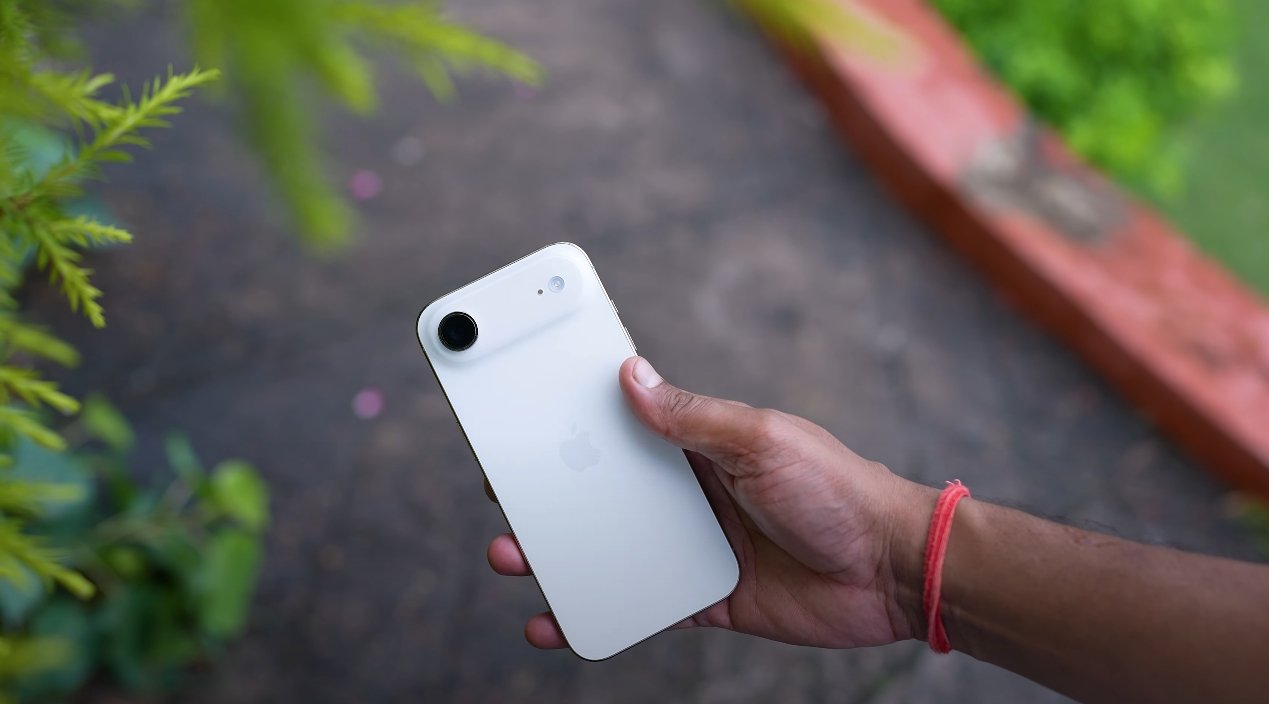
Starting with design and build quality, the iPhone Air stands out as Apple’s thinnest and lightest flagship. It measures only 5.6mm thick and weighs around 165 grams, featuring a titanium frame with curved edges and a matte finish. In contrast, the iPhone 14 Pro has a thicker 7.9mm body and weighs about 206 grams. The Pro model uses stainless steel and glossy glass, giving it a heavier, more traditional feel. Users who prefer a sleek, minimalist look often find the iPhone Air more comfortable for long use and easier to carry.
When it comes to the display, both phones feature Apple’s Super Retina XDR OLED panels with 120Hz ProMotion refresh rates and HDR support. However, the iPhone Air offers a larger 6.5-inch screen compared to the iPhone 14 Pro’s 6.1-inch display. The Air’s peak brightness reaches up to 3000 nits, ensuring excellent outdoor visibility, while the Pro caps out around 2000 nits. Both include Always-On Display and True Tone technology, but the iPhone Air’s enhanced brightness and thinner bezels make it more immersive for media consumption and gaming.
Under the hood, performance differences are significant. The iPhone Air runs on Apple’s A19 Pro chip, a 3nm processor offering up to 20% better efficiency and faster AI processing. It also comes with 12GB of RAM, providing smoother multitasking. Meanwhile, the iPhone 14 Pro uses the A16 Bionic chip with 6GB RAM. Although still powerful, it trails behind in benchmark results and energy efficiency. In day-to-day usage, both phones handle demanding tasks like video editing, gaming, and multitasking well, but the iPhone Air feels slightly more responsive and cooler under extended load.
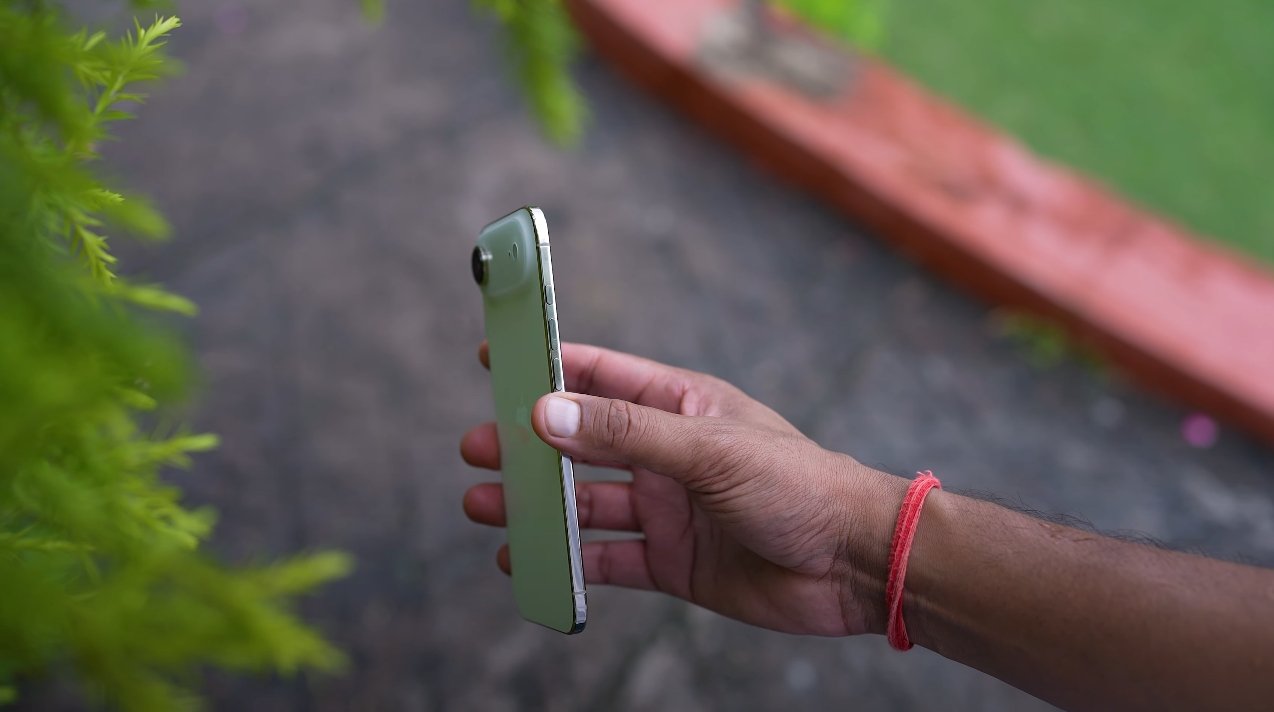
The camera systems mark one of the biggest differences. The iPhone 14 Pro features a triple-lens setup — a 48MP main sensor, a 12MP ultra-wide, and a 12MP telephoto lens — making it ideal for users who shoot landscapes, portraits, and zoomed photos. The iPhone Air, however, opts for a single 48MP main lens with enhanced AI processing. It captures excellent detail and color accuracy but lacks optical zoom and wide-angle versatility. For general photography and social media use, the Air’s camera performs impressively, but professionals may still prefer the Pro’s multi-lens flexibility.
Battery life between the two is close. The iPhone 14 Pro houses a 3200mAh battery, while the iPhone Air includes a slightly smaller 3149mAh unit. Thanks to the newer A19 chip, the Air maintains comparable endurance despite its thinner body. Both support MagSafe charging and 20W wired fast charging, with roughly a 50% charge in around 30 minutes. The Air’s power efficiency gives it a small edge in standby time, especially for users who stream or browse regularly.
Connectivity and software are where the Air begins to separate itself further. It introduces Wi-Fi 7, Bluetooth 6, and an upgraded Apple-designed modem for better 5G coverage across major U.S. carriers. The iPhone 14 Pro supports Wi-Fi 6E and older Bluetooth standards. Both phones run iOS 18, but the iPhone Air will likely receive more years of software support, given its newer hardware. Security features like Face ID, on-device encryption, and Apple Pay integration remain identical on both models.
Also Read:
Apple iPhone Air VS iPhone 14 Pro
In practical use, reviewers note that the iPhone Air feels more futuristic due to its featherweight build and seamless design. It’s geared toward users who value portability and long-term software performance. The iPhone 14 Pro, on the other hand, still holds a strong position for content creators, offering advanced photography tools and proven durability.
In conclusion, the iPhone Air is ideal for everyday users wanting modern design, lighter handling, and longer software longevity. The iPhone 14 Pro remains better for those seeking professional-grade photography and proven all-around performance. Both deliver Apple’s hallmark quality, but their strengths lie in different priorities — one in sleek innovation, the other in professional capability.