Apple iPhone Air Face ID and security features tested
Apple’s iPhone Air security system put through real-world testing
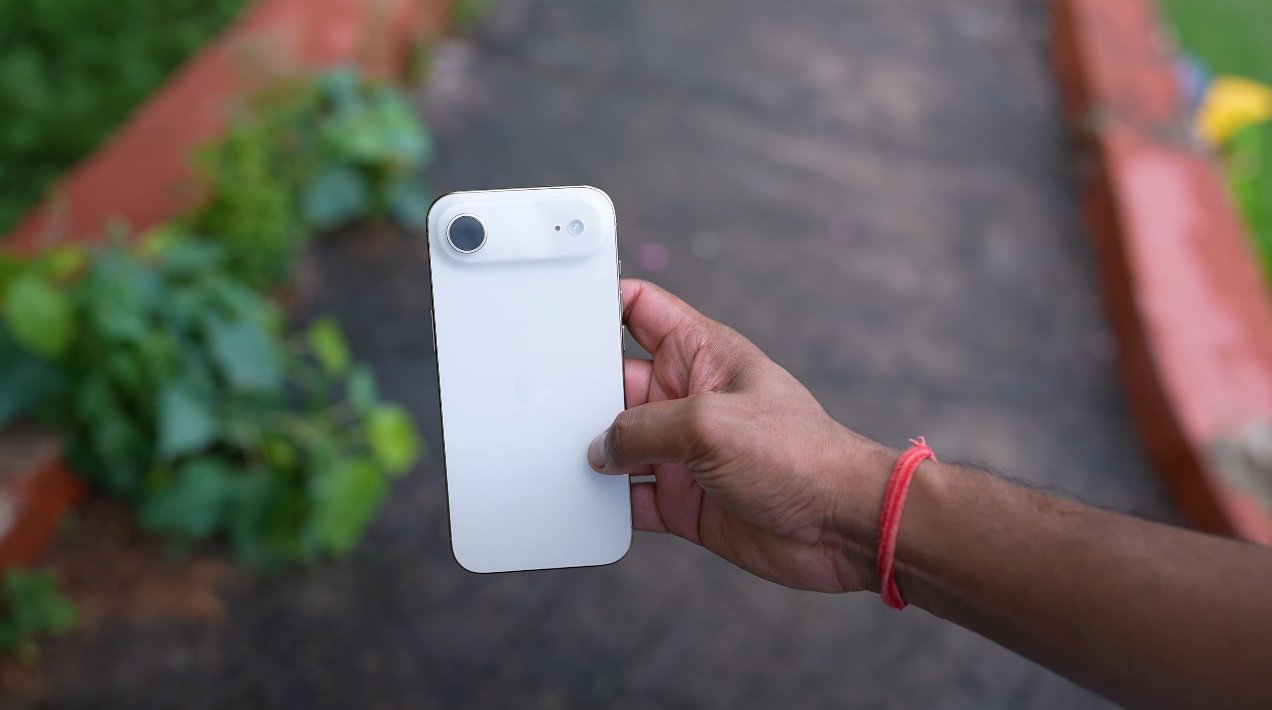
Apple’s new iPhone Air is gaining attention for its refined Face ID and security suite, which aims to blend convenience with advanced protection. Recent testing across multiple review platforms in the U.S. highlights Apple’s continued dominance in biometric security. The iPhone Air’s updated sensors and software reportedly make unlocking faster, safer, and more reliable than before, even under challenging conditions.
At the heart of the system lies Apple’s TrueDepth camera, which uses infrared scanning and a flood illuminator to capture a detailed 3D facial map. During each unlock attempt, over 30,000 invisible dots project onto the user’s face, generating a secure mathematical model. This data never leaves the device; instead, it is encrypted and stored in the Secure Enclave, an isolated chip responsible for handling sensitive information. This design ensures that no external app, website, or even Apple itself can access biometric data.
Early testing by U.S. reviewers shows Face ID working consistently across varied environments. The iPhone Air accurately recognizes users indoors, outdoors, and in low-light conditions, thanks to Apple’s improved infrared system. Unlike earlier models, the updated Face ID remains reliable even when users wear glasses, hats, or have minor facial changes like a beard or makeup. Testers also noted that the mask unlock feature, which became popular during recent years, performs more accurately on the iPhone Air due to refined eye-area scanning.
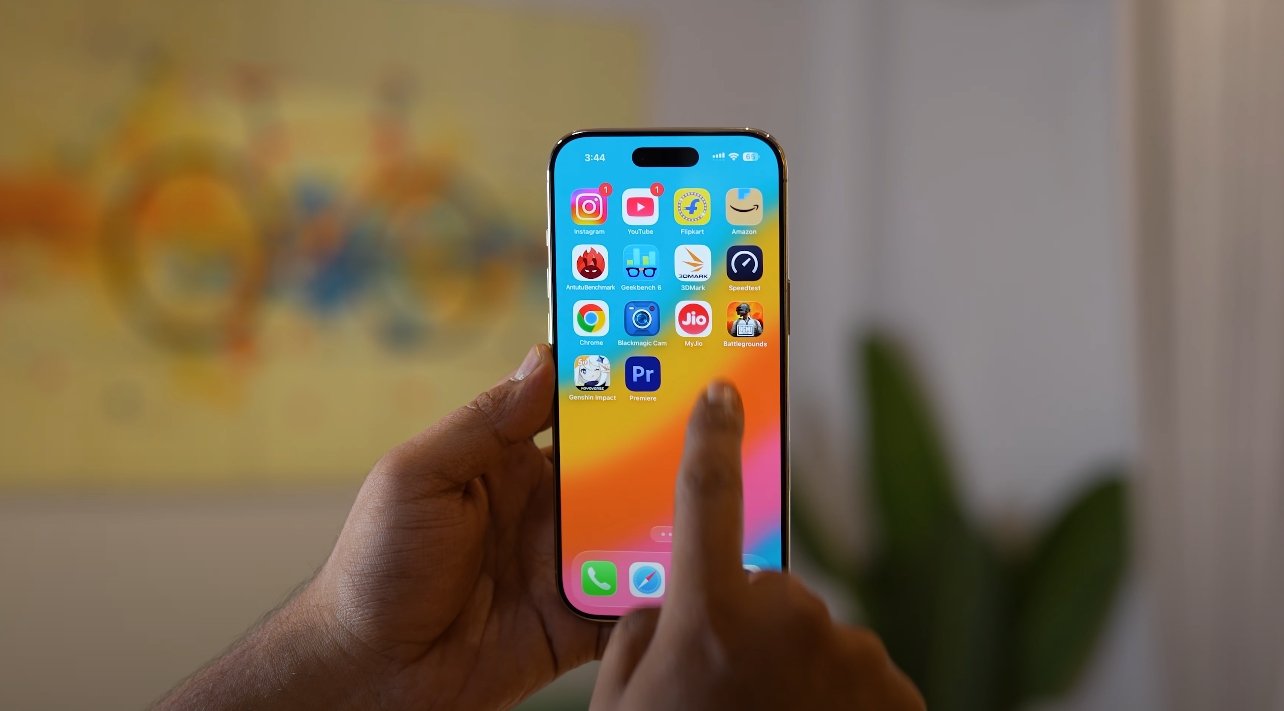
The speed and responsiveness of Face ID on the iPhone Air have also been upgraded. Unlock times average less than a second, and the feature now supports faster authentication in Apple Pay and third-party apps. Apple’s focus on machine learning allows the system to adapt over time — for instance, if a user frequently unlocks their phone in dimly lit settings or with slightly different appearances, Face ID refines its model without compromising security.
When it comes to security strength, Apple claims a false match probability of less than 1 in 1,000,000 — a figure far superior to most fingerprint sensors. However, Apple acknowledges certain edge cases such as identical twins or young children, where facial similarities could increase match chances slightly. For everyday users, though, Face ID remains one of the most secure consumer biometric systems available. It also automatically locks the phone after five failed attempts, requiring a passcode to continue, which prevents brute-force unlocking attempts.
In addition to Face ID, the iPhone Air incorporates multiple layers of protection. The Secure Enclave chip encrypts all stored biometric data using AES encryption. The system is completely offline, meaning no information is uploaded to iCloud or Apple’s servers. Apple’s privacy policy emphasizes transparency — users can reset Face ID at any time, delete biometric data, or rely solely on passcodes. This local processing method has been praised by security researchers for minimizing exposure to online threats and data breaches.
Apple has also integrated several software-level safeguards with iOS. Attention-aware features require the user’s eyes to be open and directed at the screen for authentication to proceed, preventing unauthorized access if someone holds the device up to the owner’s face while they’re asleep. Additional features like automatic app permission locks and real-time threat alerts work alongside Face ID to strengthen the iPhone Air’s defense system.
Real-world reviews from the U.S. suggest users appreciate the balance between security and ease of use. Face ID now handles partial obstructions, such as light sunglasses, with better accuracy. Some users noted minor slowdowns in bright sunlight or heavy rain, but overall, the experience remains smooth and consistent. For business and personal users alike, the iPhone Air’s security setup reflects Apple’s broader focus on on-device privacy and dependable performance.
In summary, the iPhone Air’s Face ID and security framework deliver a strong combination of speed, accuracy, and privacy protection. Through deep integration of hardware and software, Apple continues to set a high benchmark for biometric security in smartphones. U.S. testers agree that the improvements in the iPhone Air make it one of the most secure yet user-friendly devices Apple has produced, maintaining its reputation for trustworthy digital safety.
Also Read: Pixel 10 Pro Fold vs Pixel Fold First Gen Improvements