Apple iPhone Air Camera Comparison with Samsung Galaxy S24
How Apple’s Ultra-Thin iPhone Air Stacks Up Against Samsung’s Versatile Galaxy S24
The Apple iPhone Air, released in 2025, brings a sleek, ultra-thin design with a focus on high-resolution imaging, while the Samsung Galaxy S24, launched in early 2024, emphasizes camera versatility and optical zoom capabilities. For U.S. buyers who prioritize photography, comparing the two devices highlights their respective strengths and trade-offs.
The iPhone Air features a 48-megapixel main rear camera with a 2x optical-quality crop, designed to capture sharp, high-resolution images. Its front camera is 18 megapixels, equipped with Center Stage technology, autofocus with Focus Pixels, and Dual Capture capabilities. These features make it excellent for video calls, selfies, and group photos, especially in well-lit conditions. However, the Air’s ultra-thin design, measuring just 5.64 millimeters thick, limits additional camera hardware and zoom options.
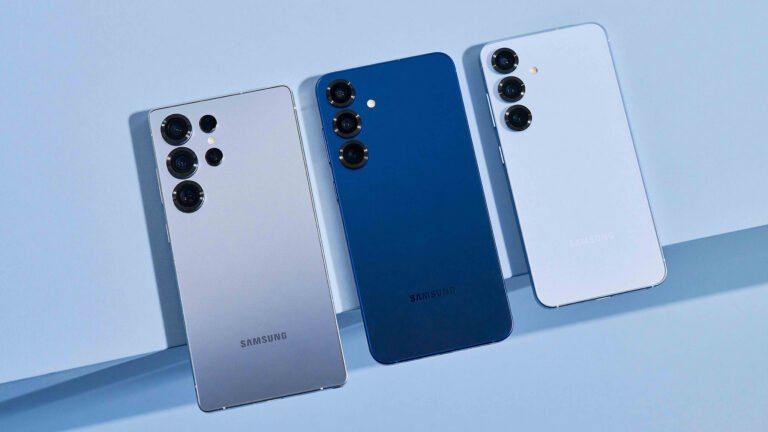
In contrast, the Samsung Galaxy S24 offers a more versatile camera system. Its rear setup includes a 50-megapixel main wide sensor with optical image stabilization, a 12-megapixel ultra-wide lens, and a 10-megapixel telephoto lens with 3x optical zoom and up to 30x digital zoom. The front-facing camera is 12 megapixels, supporting high-quality selfies and video calls. This multi-lens approach gives the S24 an edge in framing flexibility, long-range zooming, and creative photography.
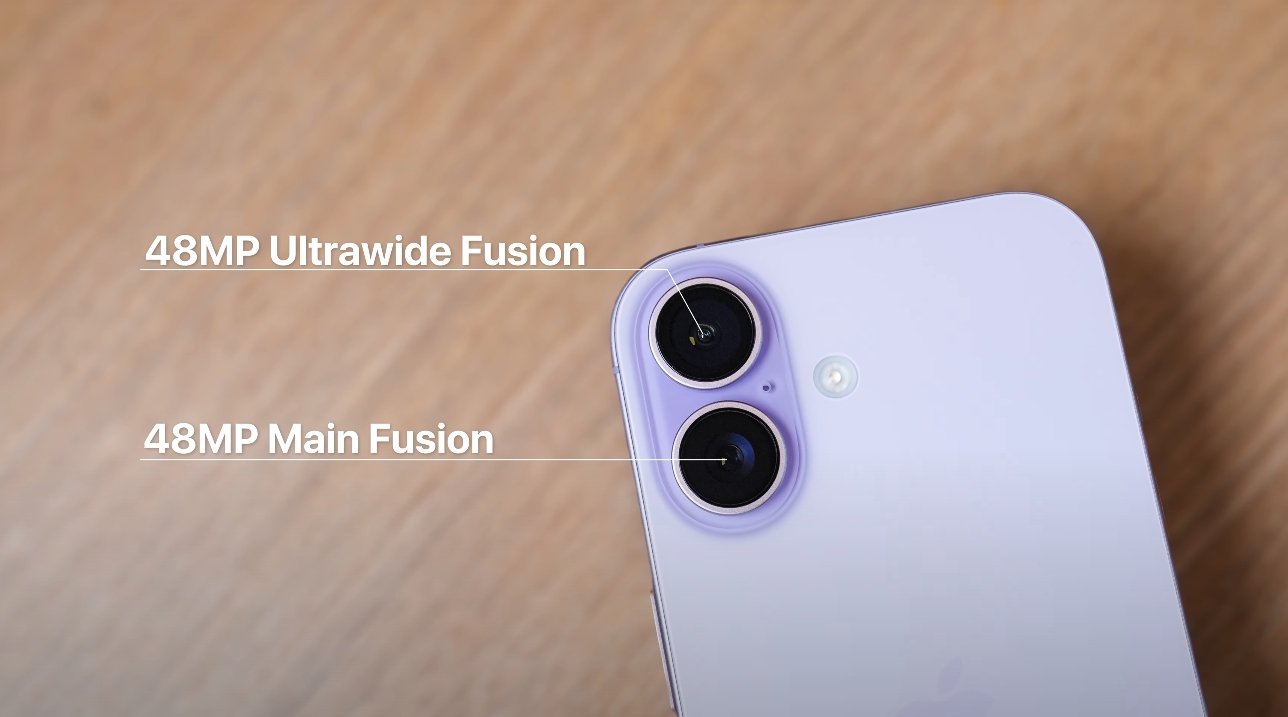
Key differences become evident when considering camera versatility. The Galaxy S24 allows for wide-angle landscapes, optical zoom portraits, and detailed long-distance shots thanks to its telephoto lens. The iPhone Air, while producing exceptionally clear and detailed images with its single lens, cannot match the flexibility of multiple focal lengths. For users who frequently take a variety of photos — from ultra-wide cityscapes to zoomed-in subjects — the S24 provides more options.
The front camera experience is another notable distinction. Apple’s 18-megapixel camera on the Air, with Center Stage and Dual Capture, enhances video call quality by keeping subjects in frame and adjusting focus dynamically. The Galaxy S24’s 12-megapixel front camera performs well but lacks some of the Air’s intelligent framing features, giving the iPhone a slight edge in self-portraits and group video interactions.
In terms of design, the iPhone Air’s ultra-thin frame prioritizes portability and aesthetics, which comes at the expense of multi-lens flexibility. The Galaxy S24’s slightly thicker design accommodates multiple sensors and optical stabilization, making it a more capable tool for diverse photography needs but less sleek in the hand. Users must weigh whether they value a slim, stylish device or a versatile, feature-rich camera system.
In conclusion, the iPhone Air excels in front-camera technology, high-resolution main imaging, and ultra-thin design, making it ideal for users who prioritize selfies, video calls, and a premium form factor. The Samsung Galaxy S24, however, dominates in rear-camera versatility, optical zoom, and multi-lens creative options, appealing to users who want comprehensive photography capabilities. Choosing between the two ultimately depends on whether portability and design or camera flexibility and range are the top priorities.
Also Read: Xiaomi 17 Camera Upgrade Impresses in Leaked Renders