
Airbus calls for immediate A320 software rollback
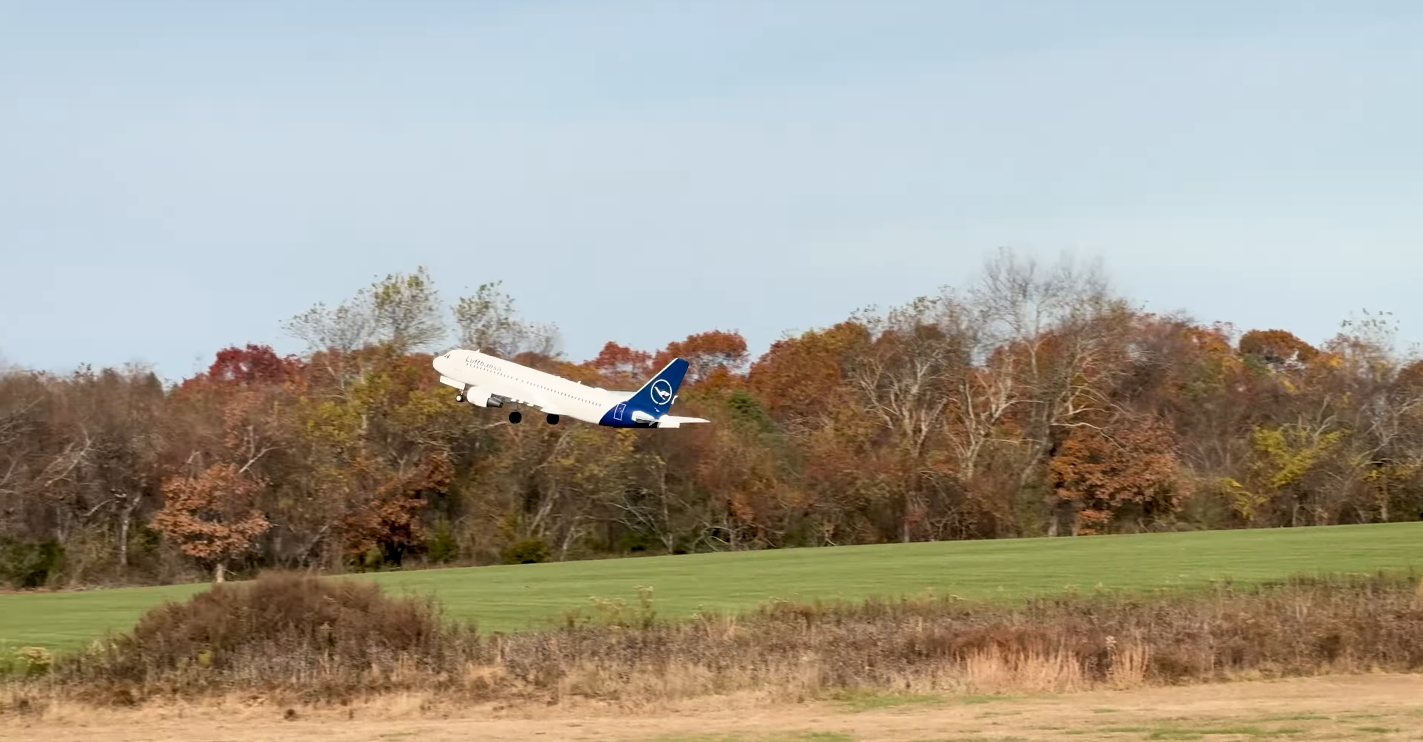
Airlines race to comply with urgent Airbus safety directive
Airbus has issued an immediate global directive ordering airlines to roll back or update flight-control software on thousands of A320-family aircraft. The move follows a safety investigation that linked corrupted flight-control data to a recent pitch-down incident, prompting regulators to call for swift corrective action across the worldwide fleet. The recall is one of the most extensive ever applied to the A320 series.
The European Union Aviation Safety Agency is preparing an Emergency Airworthiness Directive to formalise the requirement. Airlines were informed that the software must be fixed before any affected aircraft can operate their next commercial flight. The exception applies only to repositioning flights, allowing planes to travel to maintenance bases for the necessary work.
Investigators identified the issue within the ELAC system, responsible for processing inputs that control the aircraft’s pitch and roll. Early findings suggest strong solar radiation may have corrupted data, leading to an unexpected nose-down movement during flight. While the aircraft involved landed safely, the event triggered urgent analysis and a rapid industry-wide response.
Airbus described the measure as a precaution aimed at restoring full data integrity. The manufacturer stressed that the affected software version should not be used until the rollback or update is completed. Operators have been instructed to verify software configurations, with detailed procedures issued to maintenance teams worldwide.
For most A320-family aircraft, the work is expected to take around two hours, allowing airlines to return planes to service relatively quickly. However, a smaller group of older aircraft may require additional hardware checks, increasing the likelihood of longer ground times. This has raised concerns over short-term capacity limitations for carriers with large A320 fleets.
Early signs of disruption have already emerged. Some airlines have cancelled or rescheduled flights to allow aircraft to undergo mandatory maintenance. Others have reorganised their networks, rotating aircraft to minimise strain on heavily booked routes. Industry analysts say the recall’s scale means operational turbulence is likely to continue for several days.
UK passengers have been advised to monitor updates from their airlines, particularly those travelling on short-haul European routes commonly operated with A320-family jets. easyJet confirmed it has already updated many of its aircraft and expects to maintain near-normal operations, though it warned that short-notice changes cannot be ruled out.
International carriers are also reacting quickly. In India, both IndiGo and Air India announced the temporary grounding of parts of their fleets to comply with the directive. Similar measures have been reported across Asia-Pacific, with Jetstar cancelling dozens of flights as maintenance teams work through the required checks.
The aviation sector is working against the clock to complete the updates before peak travel periods place additional pressure on schedules. Maintenance facilities worldwide are prioritising A320-family aircraft, but increased demand for skilled technicians and limited repair-slot availability could prolong the disruptions.
Despite the challenges, regulators have emphasised that the recall demonstrates the industry’s safety-first approach. The rapid identification of the issue and immediate response reflect stringent oversight of software-driven aircraft systems. Passengers have been assured that no aircraft will re-enter service until the required measures are safely completed.
As airlines continue to implement the directive, further flight changes remain possible. Experts recommend that passengers stay vigilant for updates and allow extra time when travelling. With thousands of aircraft requiring attention, the effects of the recall may continue to ripple through global networks in the short term, even as operators work to restore normal operations.