Tottenham Hotspur Crisis
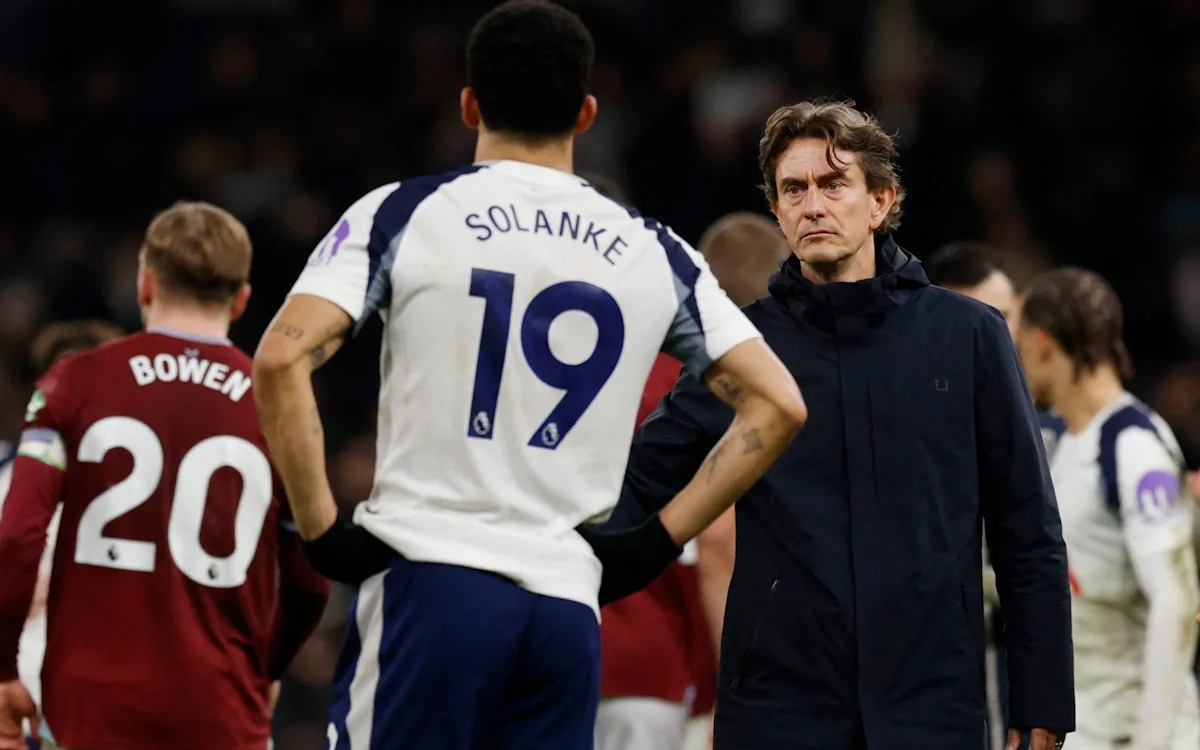
Struggles on and off the pitch for Spurs
Tottenham Hotspur are facing a period of upheaval marked by inconsistent results, off-field controversy and growing pressure from supporters. Once viewed as regular challengers for European qualification, Spurs’ recent performances have raised questions about direction and stability. Fans and pundits alike are debating whether systemic issues within the club are contributing to a deeper crisis.
On the pitch, Tottenham’s form has been erratic, with unexpected losses and dropped points against teams they were expected to beat. Defensive lapses and a lack of clinical finishing have been recurring themes, leaving the squad vulnerable in key moments. Such inconsistency has made it difficult for the team to build momentum in league and cup competitions.
The managerial situation has also been a focal point of concern. Under intense scrutiny, the head coach has struggled to find a consistent tactical identity. Changes in formation and personnel week to week have created uncertainty among the playing group. Without a clear plan that maximises the squad’s strengths, results have suffered.
Injuries have compounded Spurs’ troubles, with several key players unavailable for extended periods. The absence of influential figures has tested the squad’s depth, exposing a reliance on a limited core of starters. When replacements have been called upon, performances have often lacked the cohesion seen earlier in past seasons.
Off the field, questions about recruitment and transfer strategy have intensified. High-profile signings have not always delivered the expected impact, and the club’s approach to the transfer market has been criticised for lack of clarity. Fans have expressed frustration that investment has not translated into tangible improvement on the grass.
Supporter unrest has grown, with some sections of the fanbase openly voicing dissatisfaction during matches and on social media. Chants calling for changes in leadership and accountability reflect a broader sense of unease. Attendance remains strong, but vocal criticism highlights the emotional investment supporters have in their club’s fortunes.
The boardroom dynamics have also attracted attention, with speculation about internal disagreements and future planning. Stakeholders are under pressure to articulate a coherent long-term vision that addresses both competitive ambition and financial sustainability. Without transparent leadership, uncertainty is likely to persist.
Analysts have pointed to the psychological impact of sustained poor results on player confidence. A lack of self-belief can become self-perpetuating, making it harder to reverse a negative trend. Spurs’ squad will need strong leadership to rebuild resilience and re-establish a winning mentality.
Looking ahead, Tottenham face crucial fixtures that could define the trajectory of their season. A positive run of results could restore belief and stabilise performance. Conversely, continued struggles may deepen the sense of crisis and amplify calls for change.
Ultimately, Tottenham Hotspur’s current challenges reflect a confluence of sporting and organisational issues. Addressing them will require a clear strategy, collective effort and unity between the board, management and playing squad. For a club with high expectations, the coming weeks will be critical in determining whether they can emerge from their difficulties.