AMD Radeon RX 9070 Faces Uncertainty
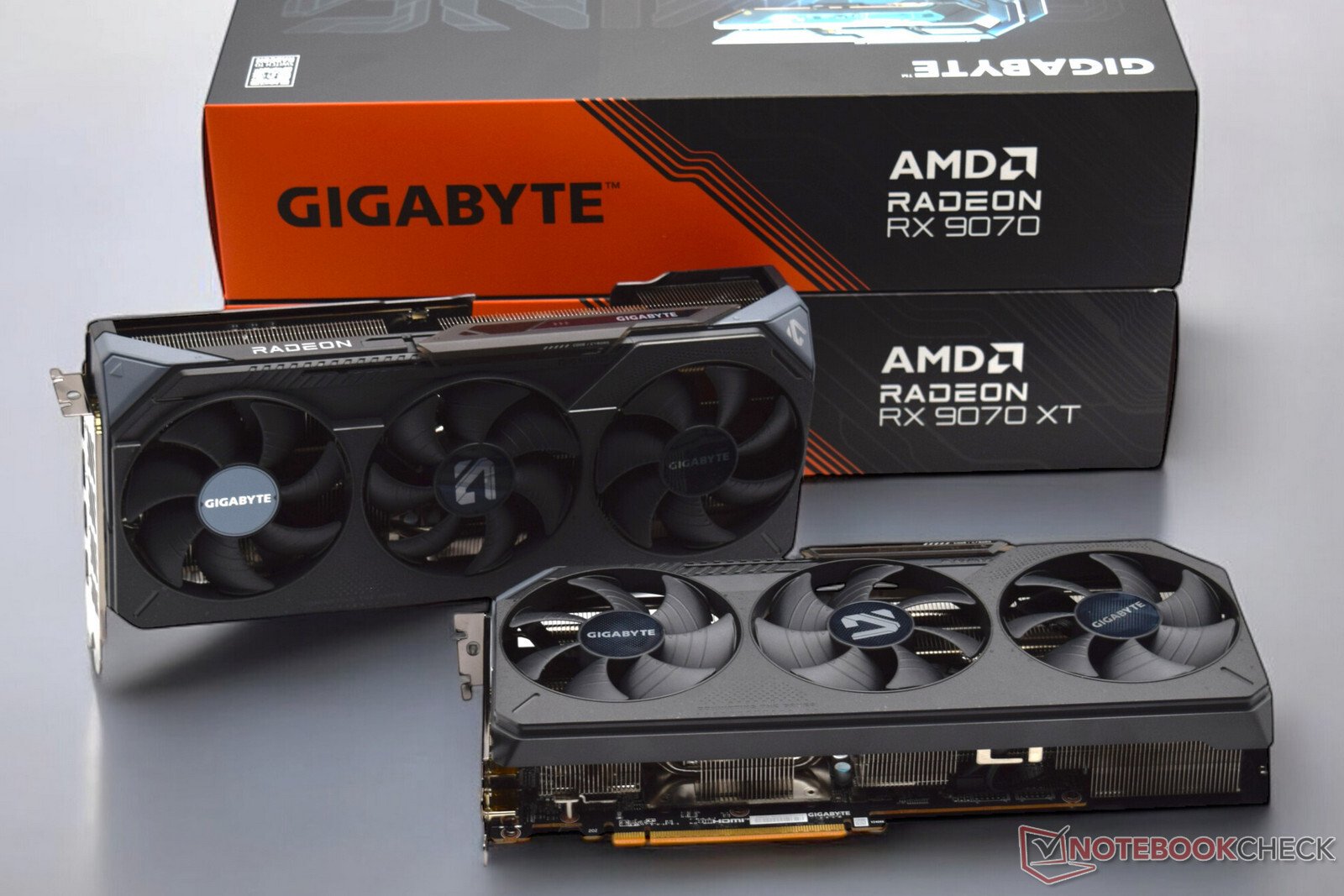
AMD Radeon RX 9070 Faces Uncertainty
The AMD Radeon RX 9070 graphics card, long anticipated as AMD’s next step in mid-to-high-end GPU offerings, is facing growing uncertainty over its performance positioning, release timing and market competitiveness. As the GPU landscape evolves rapidly, both enthusiasts and professionals are watching closely to see how the RX 9070 will stack up against rival offerings from Nvidia and Intel. This review explores the key factors contributing to the current questions around AMD’s upcoming GPU and what they might mean for its prospects.
One of the central issues surrounding the RX 9070 is its performance expectations relative to the competition. With Nvidia’s RTX 40 series firmly established at the high end and Intel’s Arc lineup gaining traction, the RX 9070 must deliver compelling performance to justify its place in the market. Early indications suggest that AMD may face challenges in hitting both performance and efficiency targets that appeal to gamers looking for strong value without premium pricing.
Tied to performance concerns are questions about the RX 9070’s architectural advantage. AMD’s RDNA architecture has powered previous generations with solid results, but recent competitor launches have raised the bar for ray-tracing performance and AI-enhanced graphics features. How AMD balances raw raster performance with modern graphical demands remains a focal point of debate within the PC hardware community.
Price positioning is another area of uncertainty for the RX 9070. In a market where budget constraints and component shortages have influenced consumer decisions, setting a competitive price that avoids undercutting AMD’s own higher-tier models while still appealing to mainstream buyers is a complex task. Analysts are considering whether AMD will underprice the card to gain market share or command a premium that reflects its capabilities.
The timing of the RX 9070’s release also adds to the uncertainty. As supply chain challenges continue to affect the broader semiconductor industry, delays or limited availability could impact AMD’s ability to capitalise on consumer interest. With rival launches scheduled throughout the year, any slip in timing might see the RX 9070 overshadowed before it even arrives at full availability.
Software support and driver maturity are key elements that will influence the RX 9070’s real-world performance. AMD has made strides in improving its driver ecosystem, but consistency in updates and feature rollout will be essential to maintain competitiveness. Gamers and creators alike often cite driver reliability as a deciding factor when choosing between GPU brands.
Energy efficiency is another consideration as users become more conscious of power consumption and thermals. The balance between performance per watt and cooling solutions will play a role in how the RX 9070 is perceived among system builders and PC enthusiasts. Efficient designs that reduce heat and power draw without compromising speed are increasingly important.
Market perception and brand confidence are intangible yet significant factors. AMD has built considerable goodwill with certain segments of users, but sustaining that trust with the RX 9070 will require clear communication and demonstrable performance gains. Missteps in early benchmarks or comparisons could dampen enthusiasm ahead of the card’s full launch.
Despite these uncertainties, AMD’s position as a major player in the GPU market means the RX 9070 will attract attention regardless of its challenges. Many in the industry remain optimistic that AMD’s engineering and competitive instincts will deliver a product that finds its niche between entry-level offerings and premium graphics cards. The coming months will be telling as more concrete information emerges.
Ultimately, the Radeon RX 9070’s success or struggle will depend on how well it answers the questions now being raised. Balancing performance, price, availability and support will be crucial if AMD wants to secure a strong foothold in the evolving GPU landscape. The uncertainty surrounding the card reflects broader shifts in expectations for next-generation graphics hardware, making this a pivotal moment for AMD and its users.