Revolutionise Your Laundry: Dry Clothes Indoors for Just 14p, Without the Damp

Mastering Indoor Laundry Drying: Efficiency Meets Economy
Your tumble dryer is likely one of the most expensive appliances to run in your home, especially with current energy prices. A single load of laundry can set you back a hefty £1.21, significantly impacting your household budget over time. Many Britons seek smarter, more economical ways to manage chores without compromising on convenience.
Drying clothes indoors is often seen as a necessary evil during colder months or wet weather, but it typically comes with its own set of problems. Traditional airers can take days to dry a full load, leaving clothes stiff and musty. Worse still, they contribute to condensation and dampness, leading to mould and unhealthy air quality.
However, what if there was a simple, affordable solution that not only slashed your drying time but also cost a mere 14p per load? This isn’t a pipe dream; it’s a clever, accessible combination of appliances many households are already considering. By making a strategic change to your indoor clothes drying setup, you can enjoy perfectly dry laundry without the financial strain or the dreaded damp.
The secret lies in harnessing the power of a heated clothes airer, working in tandem with an efficient dehumidifier. This dynamic duo creates an optimal microclimate for drying, accelerating the process dramatically while extracting excess moisture from the air. The result? Fast-drying laundry, a significantly lower energy bill, and a healthier home free from damp-related issues.
Let’s delve into the remarkable cost-effectiveness of this alternative. While a typical tumble dryer often demands around £1.21 for a single load, the combined operation of a heated airer and a modern, energy-efficient dehumidifier can bring your drying expenditure down dramatically. Many heated airers consume approximately 220-300 watts, costing mere pennies per hour to run, perhaps 7-10p at current energy cap rates.
Adding an energy-efficient dehumidifier, which might use a further 150-200 watts, contributes another 5-7p per hour. With smart usage, like thoroughly spinning clothes and drying smaller loads, the combined operation for around two hours makes the 14p per load cost entirely achievable. This synergistic approach offers substantial savings compared to the constant drain of a traditional tumble dryer.
A quality heated clothes airer forms the core of this efficient setup. These ingenious devices typically feature multiple rails that gently heat up, effectively warming the fabric and accelerating evaporation. Unlike conventional drying racks that rely solely on ambient air, a heated airer actively reduces moisture from garments, speeding up the process significantly.
When selecting a heated airer, consider models with foldable wings for larger items or tower designs for maximising space in smaller rooms. Look for features like low wattage for optimal energy efficiency and durable construction. Placement is also key; positioning your heated airer in a small, dedicated room can help concentrate warmth and improve drying speeds even further.
A good dehumidifier is crucial for addressing indoor drying’s primary drawback: moisture release into your home. A dehumidifier actively extracts water vapour from the air, collecting it in a removable tank and preventing condensation from forming on windows and walls. This safeguards your home against mould and mildew.
Opt for a dehumidifier with a ‘laundry mode’ if possible; this setting is specifically designed to remove moisture released by drying clothes more intensely. Even without this, ensuring the dehumidifier runs in the same enclosed space as your heated airer will dramatically improve drying times and maintain healthy indoor humidity levels, preventing that clammy feeling.
The combination works so effectively because the heated airer warms the clothes, encouraging moisture to evaporate into the surrounding air. The dehumidifier then diligently removes this moisture from the air, creating a continuously dry environment that encourages further evaporation from your laundry. This cycle of warming and extraction is far more efficient than passive air drying alone.
This method drastically cuts drying time, potentially halving it, and offers a gentler approach to fabric care. High-heat tumble drying can be harsh on delicates, leading to shrinkage or damage. The controlled, lower heat of a heated airer is far kinder to your clothes, extending their lifespan and preserving their quality.
To optimise your 14p drying experience, begin by giving your laundry an extra spin cycle in your washing machine. Removing maximum water before placing items on the heated airer is fundamental to faster drying and lower consumption. Overloading the airer should also be avoided; ensure sufficient space for air to circulate around each garment for maximum efficiency.
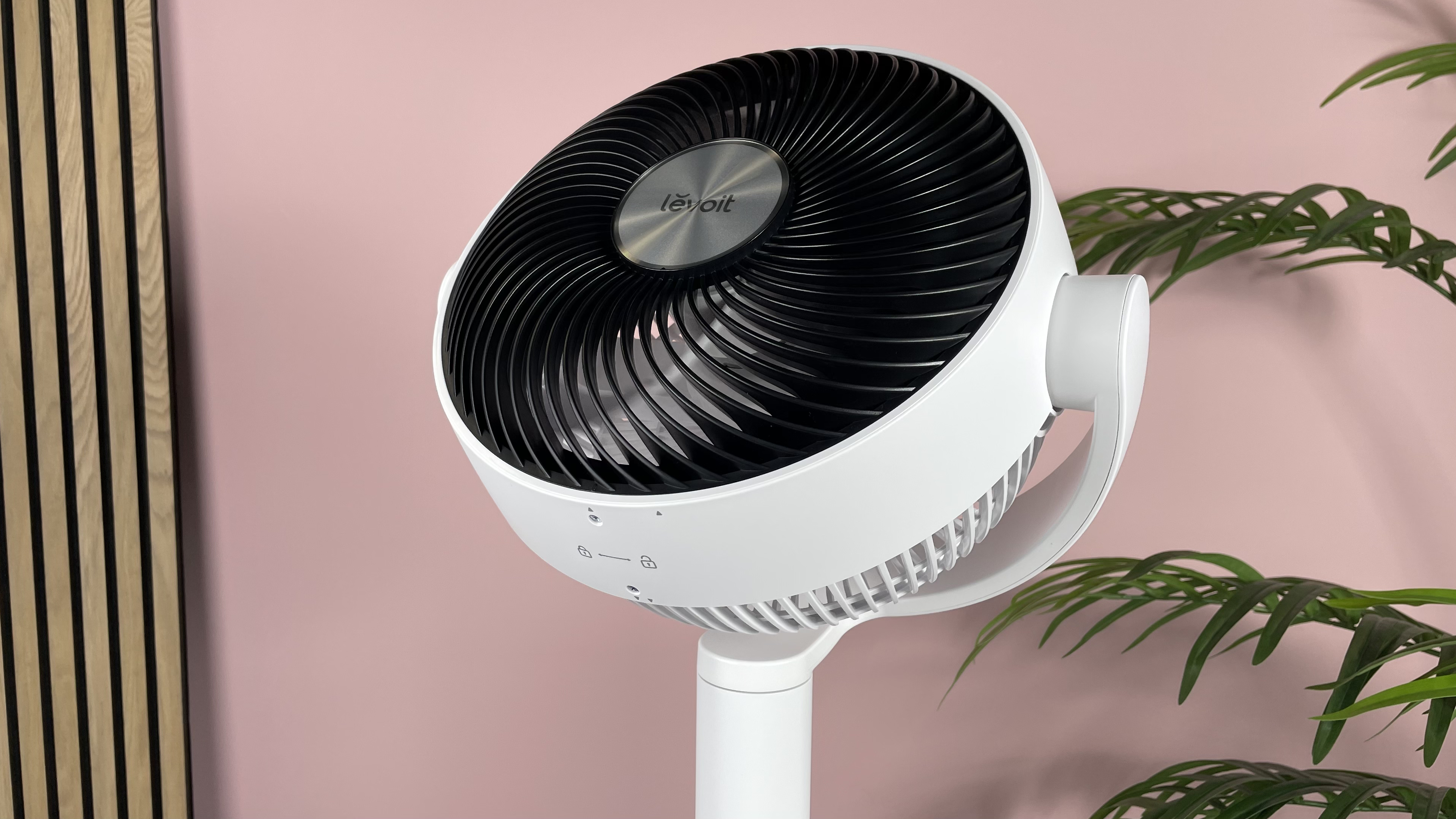
Furthermore, remember to keep the door of your chosen drying room closed while the heated airer and dehumidifier are operating. This creates a contained environment, allowing the dehumidifier to work most effectively. Good air circulation, perhaps aided by a small fan, can also enhance the process.
This smart indoor drying setup isn’t just about saving money; it’s about reclaiming control over your laundry routine, regardless of the unpredictable British weather. Imagine fresh, dry clothes in hours, not days, without sky-high electricity bills or the threat of mould and damp. It’s a game-changer for modern households.
Making this small but significant investment in a heated airer and a reliable dehumidifier can transform your laundry day. The initial outlay will quickly be recouped through substantial energy savings, offering peace of mind and a more sustainable household approach. Embrace this economical and efficient method; wave goodbye to expensive tumble dryer woes.
Also Read: Avengers 5 Leaks: UK Fans Voice Disappointment Over Trailer Revelations and Loki’s Future